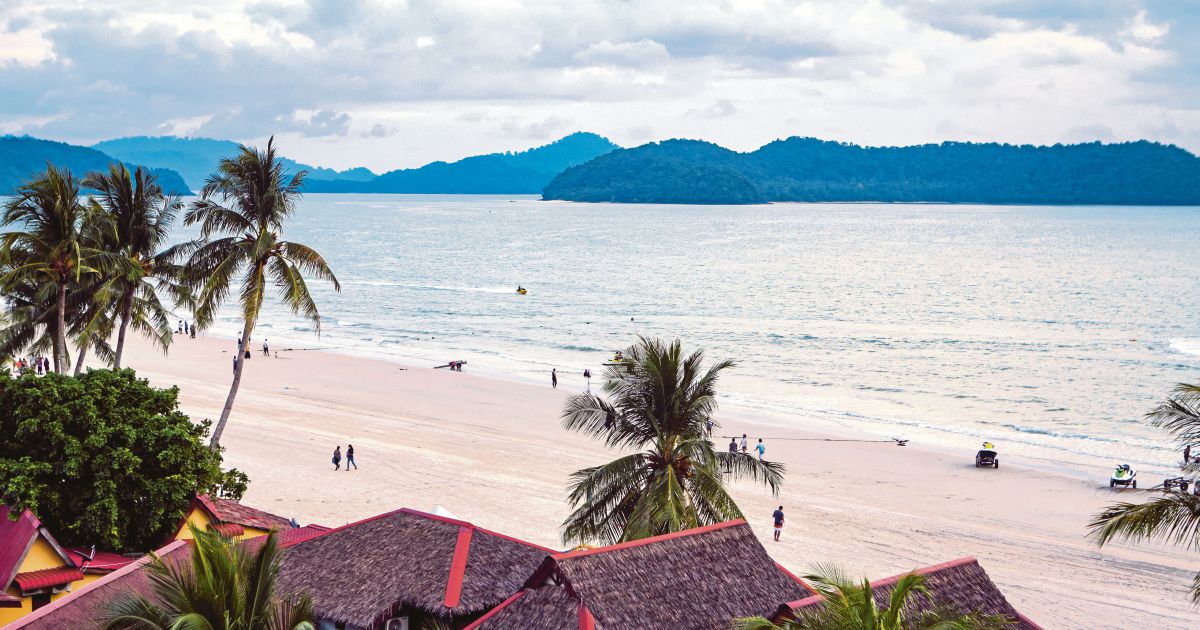
The Kedah island of Langkawi finds itself at a critical juncture in its economic journey, according to former Prime Minister Tun Dr Mahathir Mohamad, who has pointed out that the territory has failed to fully capitalise on the advantages granted by its duty-free status nearly four decades ago. In remarks that underscore mounting concerns about the island's trajectory, Dr Mahathir characterised the current situation as one where Langkawi has realised only approximately half of what its special economic designation could deliver, leaving considerable untapped potential on the table.
The declaration of Langkawi as a duty-free zone represented a landmark policy decision intended to position the island as a premier shopping and tourism destination across Asia. The removal of import tariffs and excise duties was designed to lower consumer prices on goods ranging from electronics to cosmetics, thereby attracting visitors from across the region who could purchase at considerably lower costs than in their home countries. Yet despite these structural advantages built into the island's economic framework, the results have fallen substantially short of initial projections and the aspirations of policymakers who championed the scheme.
Dr Mahathir's assessment carries particular weight given his instrumental role in steering Malaysia's development agenda during his earlier tenure as prime minister, when he championed ambitious infrastructure and industrial projects. His warning about Langkawi's underperformance reflects a broader anxiety that the island has not invested adequately in complementary infrastructure, services, and attractions necessary to leverage its tariff advantages into sustained economic growth. The absence of world-class facilities, connectivity challenges, and insufficient marketing have been cited as contributing factors to the island's failure to achieve its full commercial potential.
The competitive landscape facing Langkawi has intensified considerably over recent years as other Southeast Asian destinations have invested heavily in tourism infrastructure and attractions. Neighbouring Thailand has developed sophisticated tourism ecosystems in islands like Phuket and Samui, while the Philippines has promoted alternatives like Boracay and Palawan to international audiences. Singapore continues to draw affluent shoppers through its integrated resort experiences, whilst Indonesia's Bali maintains significant appeal despite occasional challenges. Each competitor has recognised the value of bundling shopping privileges with hospitality, entertainment, and culinary offerings to create comprehensive visitor experiences.
The underlying issue extends beyond simple comparison with rivals. Langkawi's positioning has become increasingly nebulous in an era where duty-free shopping has diminished in strategic importance for many travellers. The proliferation of online shopping platforms, the rise of digital payment systems that transcend borders, and shifting consumer preferences toward experiential travel over goods acquisition have fundamentally altered the calculus of what makes a destination attractive. Langkawi's dependence on a retail-centric model, without corresponding development of cultural attractions, adventure tourism, culinary experiences, and premium hospitality services, has left it vulnerable to these secular trends.
Infrastructure development has been another persistent weakness impacting the island's competitiveness. Transportation connectivity, both to the island and within it, remains below standards expected by affluent international tourists. The quality and range of accommodation options, particularly at the premium end of the market, have not kept pace with developments elsewhere in the region. Shopping mall facilities, whilst present, lack the architectural ambition and curation of major retail destinations in Bangkok, Singapore, or Kuala Lumpur. These cumulative gaps have prevented Langkawi from commanding premium positioning in the minds of affluent regional and international travellers.
Dr Mahathir's critique also implicitly highlights questions about governance and strategic vision in managing the island's development. The Langkawi Development Authority, which oversees the island's economic framework, faces persistent questions about coordination between public and private sector actors, transparency in resource allocation, and the coherence of long-term planning. Strategic decisions about land use, environmental protection, and investment priorities have sometimes appeared reactive rather than proactive, responding to immediate pressures rather than executing a clear developmental blueprint aligned with contemporary market realities.
The environmental dimension adds another layer of complexity to Langkawi's predicament. The island's natural beauty—pristine beaches, forested interiors, and distinctive geological formations including the Langkawi Geopark—represents an irreplaceable asset that could anchor sustainable tourism development. Yet rapid, unplanned expansion has created pressures on these resources, with some areas experiencing degradation from overdevelopment or inadequate waste management. Balancing economic ambition with environmental stewardship remains a largely unresolved tension that influences both the island's sustainability and its long-term attractiveness.
Moving forward, reversing Langkawi's trajectory toward its full potential will require multifaceted intervention. This encompasses upgrading transportation infrastructure to improve accessibility, developing experiential attractions that complement shopping opportunities, enhancing hospitality standards, and implementing environmental management practices that preserve the island's natural foundations. The duty-free status remains a valuable advantage, but only if policymakers recognise it as one component within a broader value proposition rather than the primary draw.
The stakes extend beyond Langkawi itself, as the island's underperformance represents a broader opportunity cost for Malaysia's economy. Resources invested decades ago in establishing the duty-free framework could have generated substantially greater returns with more effective implementation and sustained strategic vision. For Malaysian policymakers contemplating other regional development initiatives, Langkawi's trajectory offers cautionary lessons about the importance of implementation rigour, adaptive strategy formulation, and integrated planning across multiple economic sectors. Only through such comprehensive approaches can special economic zones realise the transformative potential their architects envisioned.

