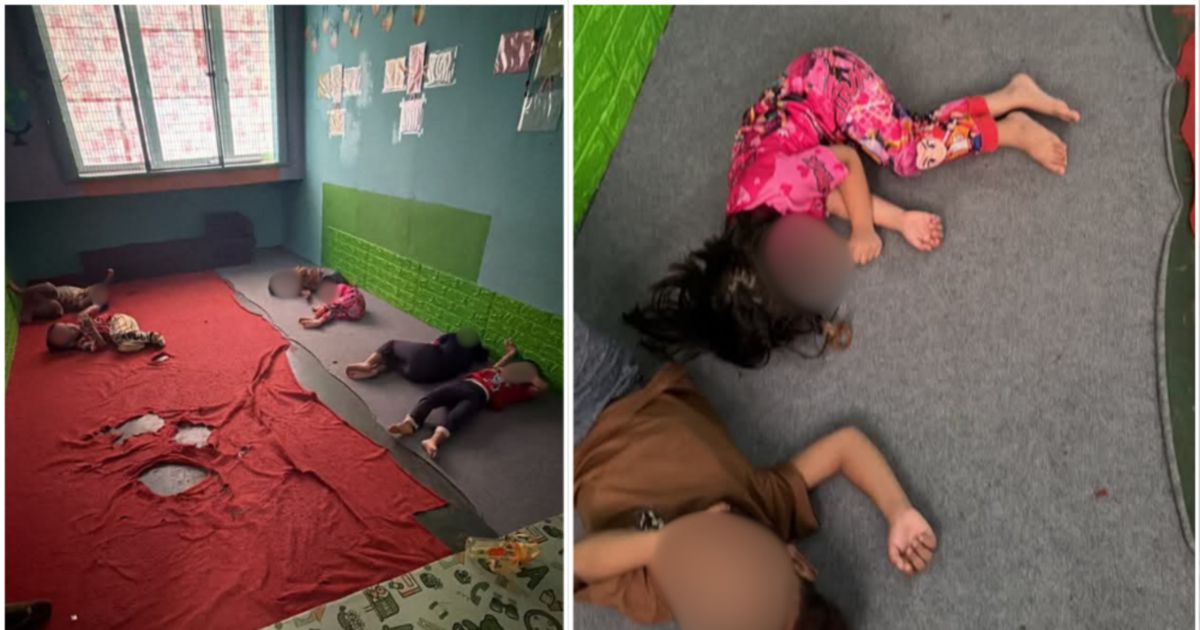
Police in Kuala Lumpur have initiated a criminal investigation into a childcare centre operating in Kuah, Langkawi, after receiving reports of serious mistreatment of young children under its care. The allegations centre on claims that staff members at the facility withheld meals from children and subjected them to confinement in an inappropriate location—a toilet—as a means of discipline or punishment. These emerging concerns have thrust the establishment into the spotlight and raised broader questions about institutional oversight and child protection standards across Malaysia's childcare sector.
The decision to formally probe the facility comes after complaints reached authorities detailing the conditions and treatment patterns allegedly occurring within its walls. The specificity of the allegations—involving food deprivation and toilet confinement—suggests a systematic approach to discipline that falls far outside acceptable childcare practices and constitutes potential criminal conduct. Parents and community members who brought these matters forward are now waiting to understand how the investigation will unfold and what safeguarding measures will be put in place for the children involved.
This incident resonates deeply across Malaysia, where childcare facilities serve millions of working families and represent a crucial pillar of early childhood development infrastructure. The dependency relationship between parents, who entrust their young children to daycare facilities during working hours, and facility operators creates an inherent vulnerability. When breaches of that trust occur at this magnitude, they trigger not only individual concern but systemic anxiety about whether existing regulatory mechanisms are adequate to prevent and detect such abuses.
The Langkawi case underscores persistent challenges in Malaysia's childcare oversight landscape. While regulatory frameworks exist through the Ministry of Women, Family and Community Development and state-level authorities, enforcement gaps and monitoring capacities remain inconsistent across different regions and facility types. Smaller towns and less densely populated areas like Kuah may face particular challenges in terms of regular inspection frequency and resource allocation for supervision. The allegations suggest that whatever oversight mechanisms were in place either failed to detect the conduct or proved insufficient to deter it.
Child welfare advocates have long flagged concerns about the training and vetting standards for childcare workers in Malaysia. Unlike more regulated professions, entry barriers into the childcare sector remain relatively modest, and ongoing professional development requirements are not uniformly enforced. This reality creates pathways for individuals without appropriate temperament or training to manage young children's developmental and emotional needs. The incidents alleged at the Kuah facility—withholding nutrition and using confinement as discipline—reflect practices that directly contradict contemporary understanding of child psychology and evidence-based early childhood care standards.
For the children involved, the psychological and physical consequences of the alleged treatment extend beyond the immediate period of mistreatment. Research consistently demonstrates that experiences of deprivation, confinement, and unpredictable punishment during early childhood can produce lasting impacts on attachment, trust, emotional regulation, and cognitive development. Parents whose children attended this facility now face the difficult task of processing what their children may have endured while seeking appropriate professional support, whether psychological or medical, to address any resulting harm.
The investigation itself will likely involve interviews with staff members, parents, and children, alongside collection of physical evidence from the facility's premises and records. Police will need to establish not only what occurred but also who bore responsibility for authorising or perpetrating the conduct, the duration of the mistreatment, and how many children were affected. The investigative burden is substantial when young children are the primary witnesses, as their ability to articulate detailed accounts and the suggestibility concerns that arise in child interviews require specialist interviewing approaches.
Beyond the criminal dimension, this situation triggers obligations across multiple institutional actors. The Ministry of Women, Family and Community Development must assess whether the facility's operational license should be suspended or revoked pending investigation outcomes. Local authorities in Langkawi bear responsibility for child protection coordination and supporting affected families. The national conversation around childcare standards and worker accountability is likely to intensify, with calls for stricter certification requirements, more frequent unannounced inspections, and clearer mandatory reporting obligations for childcare workers who witness concerning conduct.
The Langkawi incident also highlights the critical importance of open communication channels between parents and childcare providers, and the need for parents to trust their instincts when children display behavioural or developmental changes upon returning from care settings. Early intervention and swift reporting of suspicions remain essential tools for detecting abuse patterns before they escalate or harm additional children. Many parents may not immediately recognise signs of emotional trauma or understand what questions to ask their young children about their daily experiences.
Looking forward, this case will likely catalyse policy discussions about whether Malaysia's childcare regulatory framework requires legislative updates, whether inspection and enforcement resources need expansion, and whether professional standards for childcare workers merit elevation. States like Selangor and Kuala Lumpur, which host Malaysia's largest childcare populations, may become test grounds for enhanced oversight models. Regional neighbours including Singapore and Thailand have implemented different approaches to childcare regulation that Malaysian policymakers may consider studying.
As the investigation proceeds, transparency regarding findings and remedial actions will be critical for rebuilding public confidence in the broader childcare sector. The overwhelming majority of Malaysia's childcare facilities operate with genuine commitment to children's wellbeing and safety. This investigation must not paint the sector with undifferentiated criticism. Rather, it should serve as a catalyst for strengthening protections, raising professional standards, and ensuring that the vulnerable children in Malaysia's care receive the safety, nourishment, and dignity they deserve.

