The announcement of a dedicated sea ambulance service for Langkawi has generated considerable optimism among island residents, who have contended with inadequate emergency medical transport options for years. The initiative, set to commence operations in the opening months of next year, represents a significant shift in how the island district will manage critical patient transfers to mainland hospitals. Finance Minister II Datuk Seri Amir Hamzah Azizan revealed that the Ministry of Finance has committed RM5.5 million to procure the vessel and cover its initial operational expenses, signalling substantial government commitment to closing a crucial healthcare infrastructure gap.
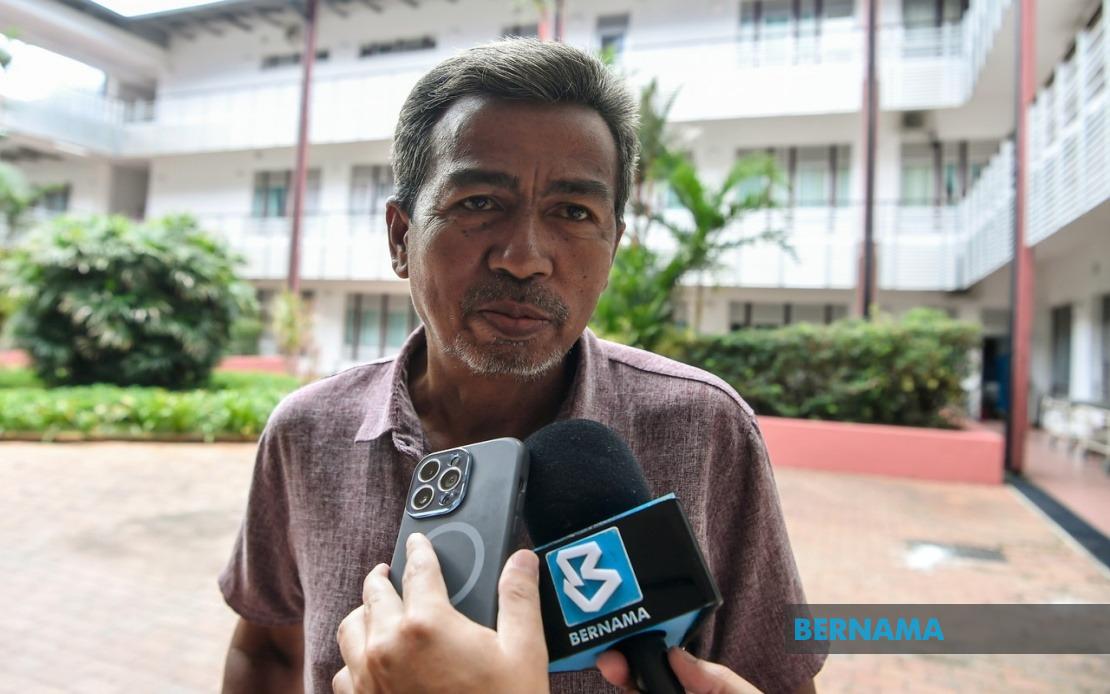
The relief expressed across Langkawi's business and residential communities underscores the depth of the problem this service will address. For more than a decade, island residents requiring urgent medical attention that exceeds local facilities' capacity have depended on irregular ferry schedules and unsuitable passenger vessels never designed to accommodate stretcher patients or provide stabilised transport conditions. Yusuf Zakaria, chairman of the Langkawi Small Traders Association, articulated a sentiment shared widely when he characterised the sea ambulance initiative as a long-overdue necessity rather than a luxury enhancement. His recognition that existing non-governmental water ambulance services lack transparency and standardised procedures highlights why a formally operated government service carries such psychological and practical weight for the community.
The challenge of emergency transport becomes particularly acute during night hours and adverse weather conditions, when ferry operations cease entirely. Masri Ahmad, a local trader, pointed to this vulnerability as a critical vulnerability that has endangered residents during after-hours medical crises. The absence of reliable rapid transport has forced families to make agonising decisions about whether to attempt dangerous evening journeys by private boat or delay essential treatment until daylight ferry resumption. Tourists visiting Langkawi for leisure purposes have also faced similar predicaments, creating potential reputational and safety concerns for the island's tourism industry, which anchors significant portions of the local economy.
Contractor Muhamad Hafiz Abdul Jalil articulated another dimension of the problem that a dedicated medical transport vessel will resolve. Ferry services, designed fundamentally for passenger transport with minimal medical amenities, force patients suffering from conditions like cardiac events, severe trauma, or acute respiratory distress to endure journeys lacking stabilisation equipment, oxygen support, or trained medical personnel. The psychological toll of travelling by ordinary passenger ferry whilst experiencing medical emergencies cannot be understated, and family members accompanying such patients navigate their own trauma knowing they lack proper medical support infrastructure around them.
The RM5.5 million allocation represents a substantial investment in what might initially appear as a niche service for a single island district. However, the expenditure reflects broader recognition that healthcare equity remains an ongoing challenge in Malaysian federation regions separated by water. Langkawi's geographic isolation, whilst creating tourism advantages, has historically meant that residents subsidise their island location through diminished access to tertiary medical facilities available routinely to peninsula-based populations. This sea ambulance service partially redresses that geographic disparity by establishing rapid, organised transfer capacity that previously did not exist in any formal governmental capacity.
The service also carries implications extending beyond individual patient welfare. Emergency medical capabilities influence business investment decisions and quality-of-life considerations that affect population retention, particularly among younger families and professional workers. When residents lack confidence in emergency medical access, outmigration to peninsula communities increases, creating demographic challenges for island economies. Conversely, reliable ambulance transport strengthens Langkawi's attractiveness as a residential destination and reinforces its position as a serious tourism destination where visitor safety enjoys formal institutional support.
Expectations surrounding implementation quality and operational consistency will significantly determine whether this initiative achieves its intended impact. The residents quoted emphasised their confidence in formalised government operation because it brings standardised procedures, professional training requirements, and institutional accountability that informal or non-governmental arrangements cannot guarantee. They anticipate clear protocols, trained personnel, and equipment standards that meet national medical transport requirements. Whether the Ministry of Health and related agencies establish sufficiently detailed operational frameworks, training curricula, and maintenance schedules will prove decisive in determining whether the service fulfils the considerable hope it has generated.
The timing of commencement early next year provides a reasonable implementation window for procurement, crew training, and integration with existing Langkawi hospital and mainland healthcare facility systems. Coordination between the sea ambulance service and peninsula-based receiving hospitals, particularly regarding patient information transfer and bed availability confirmation, will require careful planning to prevent situations where patients arrive at destinations lacking appropriate bed capacity or specialist availability. These operational details, whilst administratively technical, directly affect whether the service functions as intended or becomes hampered by coordination failures.
Langkawi's experience with this new service will likely influence discussions about similar services for other Malaysian islands facing comparable geographic isolation. If successfully implemented, the model could inform discussions about Penang Island, Labuan, and potentially peninsula communities cut off by water geography. The Langkawi initiative thus carries significance transcending the island itself, potentially establishing precedent and institutional knowledge applicable to enhancing emergency medical access across Malaysia's archipelagic and water-separated regions.

