Economic ties between Laos and Vietnam have gathered momentum, with bilateral trade reaching US$1.47 billion in the opening seven months of 2026. The surge reflects intensifying cooperation between the two neighbours, who have placed strategic infrastructure at the centre of their economic integration efforts. Officials from both countries met in Danang on August 27 to assess progress and chart priorities for the remainder of the year, underscoring the importance each places on deepening commercial and developmental links.
The composition of this trade reveals Laos's position as a net exporter to its larger neighbour. Over the January-July period, Laotian exporters shipped approximately US$1 billion in goods across the border, while Vietnamese imports into Laos totalled US$420 million. This asymmetry points to Laos's comparative advantages in certain commodity sectors, likely including agricultural products and natural resources, even as Vietnam supplies manufactured goods and processed items. The trade dynamics illustrate how smaller economies in the Mekong region are integrating into broader supply chains, with each nation leveraging distinct economic strengths.
The mid-term cooperation meeting, co-chaired by Laos's Deputy Prime Minister and Finance Minister Santiphab Phomvihane and Vietnam's Finance Minister Ngo Van Tuan, served as a progress checkpoint on the broader 2026 cooperation framework. Senior officials reported that targets established at the outset of the year had substantially been achieved, signalling effective coordination between government agencies on both sides. This assessment carries weight in a region where implementation often lags ambition; sustained progress suggests genuine political commitment to integration goals.
Physical connectivity stands as the cornerstone of this deepening partnership. Three flagship projects dominate the infrastructure agenda. The Vientiane-Hanoi Expressway promises to slash travel times and transport costs between the Laotian capital and Vietnam's gateway to China, potentially redirecting significant trade flows. The companion Vientiane-Vung Ang Railway project offers an alternative corridor for freight movement, with Vung Ang serving as a major Vietnamese port facility. Together, these transport links will fundamentally reshape logistics across the subregion, benefiting not only bilateral commerce but also creating new opportunities for transit trade to and from Thailand and Cambodia.
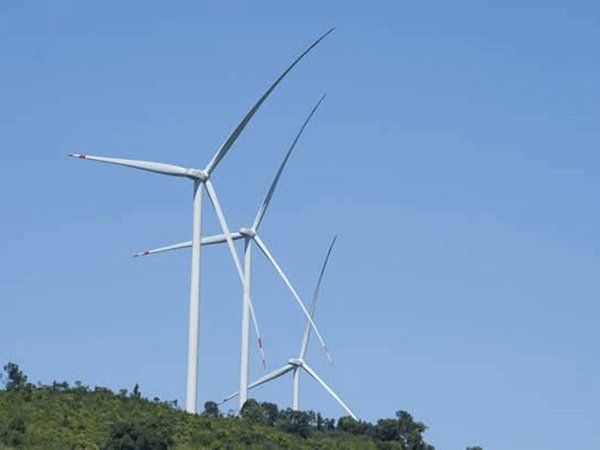
Energy cooperation represents an equally strategic dimension. Officials are advancing studies on a 500-kilowatt transmission line to link Laotian and Vietnamese electricity grids, reflecting broader regional trends toward cross-border power trading. Laos, endowed with hydroelectric potential, has positioned itself as a future energy exporter, while Vietnam's industrial growth creates insatiable demand. This project complements existing initiatives including warehouse facilities and proposed oil pipelines, creating a comprehensive energy security architecture for both nations. For the wider Southeast Asian context, such developments reduce vulnerability to supply disruptions and support the region's transition toward lower-carbon generation.
Beyond headline infrastructure, both countries are nurturing human capital and institutional capacity. Vietnam has invested in educational and technical facilities within Laos, including the Xaysomboun Provincial Agricultural Technical Centre and vocational schools in Savannakhet. Expansion of the Laos-Vietnam Friendship University signals commitment to people-to-people exchange and knowledge transfer. These softer elements of cooperation—often overshadowed by megaprojects—establish foundations for sustainable long-term engagement and help integrate societies at multiple levels.
The meeting outcomes carry implications extending well beyond the bilateral relationship. As Laos and Vietnam deepen ties, the gravitational centre of economic activity in mainland Southeast Asia shifts subtly but measurably. Stronger Laos-Vietnam connectivity could render certain historical trade routes through Thailand less dominant, potentially reshaping intra-regional competitive dynamics. For Malaysia and other ASEAN members, this underscores the importance of participating actively in regional infrastructure initiatives; isolation from these emerging networks risks marginalisation.
Looking forward, the two countries have committed to implementing a five-year cooperation framework spanning 2026 to 2030. This extended timeline reflects recognition that transformative projects require sustained effort and resources. By translating high-level diplomatic agreements into granular implementation roadmaps, officials aim to avoid the common pitfall of ambitious declarations that founder during execution. Priority areas include strengthening political and diplomatic coordination, facilitating Vietnamese investment in Laos, accelerating infrastructure connectivity, and ramping up bilateral trade volumes. This sequencing places relationship-building and institutional frameworks ahead of transactional metrics, a pragmatic approach that should yield durable results.
Vietnamese investment in Laos represents a particular focus area, suggesting Hanoi views its smaller neighbour as an attractive destination for labour-intensive manufacturing and resource-based industries. Laos offers lower wage costs, natural resource access, and geographic proximity to Vietnam's industrial heartland. For Malaysian policymakers and investors, this dynamic underscores the competitive pressure from lower-cost locations and the imperative to move up value chains rather than compete on labour costs alone. The Laos-Vietnam model demonstrates how strategic infrastructure can unlock investment potential in previously marginal locations.
The timing of these initiatives reflects broader regional currents. Global supply chain reconfiguration following recent geopolitical tensions has prompted businesses to diversify sourcing away from concentrated locations. Southeast Asian nations with reliable infrastructure and political stability increasingly attract manufacturing relocation. Laos and Vietnam's coordinated push to enhance transport connectivity positions them advantageously within this shifting landscape. However, implementation quality will ultimately determine whether these projects deliver on their economic promise or become underutilised assets.
The infrastructure ambition embedded in the Laos-Vietnam cooperation agenda also carries environmental dimensions requiring careful management. Hydroelectric expansion, though cleaner than coal-fired generation, raises ecological concerns in the Mekong watershed. Transport corridor development accelerates resource extraction and land-use change. Successful partnership will require incorporating environmental sustainability into project design and operations, not treating it as an afterthought. This represents both an obligation and an opportunity to establish regional best practices.
For Malaysia specifically, the intensification of Laos-Vietnam ties offers both competitive and collaborative opportunities. Malaysian firms with expertise in infrastructure development, renewable energy, or logistics could participate in regional projects through joint ventures or technical partnerships. Conversely, lower-cost production bases emerging in mainland Southeast Asia represent competition that Malaysian manufacturers must navigate through innovation and higher value addition. The broader lesson is that regional integration deepens with each successful infrastructure project and trade agreement, creating winners and requiring adjustment from others.
The consensus between Laos and Vietnam on prioritising infrastructure, investment, and trade growth reflects a shared understanding that prosperity flows from connectivity. Whether measured in expressway kilometres, railway track, or electricity megawatts, the two nations are betting that physical links create economic logic that transcends political cycles. For a region accustomed to uneven development and fragmented markets, this philosophy offers a credible path toward shared prosperity and mutual benefit. How effectively Laos and Vietnam execute their ambitious agenda will reverberate across Southeast Asia for years to come.

