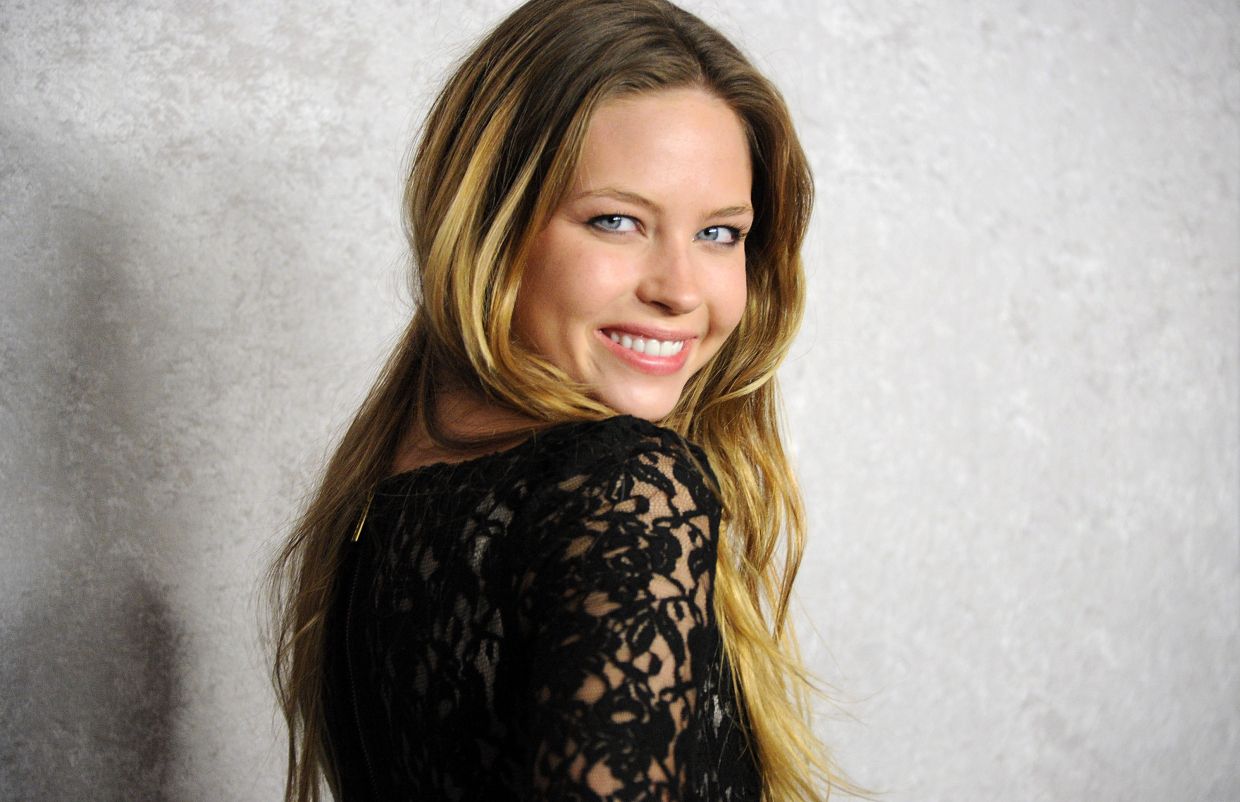
Daveigh Chase, the former child star whose most recognizable role was providing the voice for Lilo in Disney's animated feature Lilo & Stitch, left behind a substantial financial legacy despite spending her final years struggling with homelessness and health crises. The probate proceedings initiated by her mother, Cathy Chase, reveal that the actress's estate is valued at approximately RM1.6 million—a stark contrast to the difficult circumstances surrounding her death on June 16 at a Los Angeles hospital at the age of 35.
The disparity between Chase's material assets and her living situation underscores a troubling narrative that occasionally emerges in Hollywood: former child performers who accumulated wealth during their careers but subsequently lost access to those resources or experienced deteriorating personal circumstances. In her final days, Chase's father disclosed to reporters that she had been residing on the streets, living homeless in the vicinity of the very medical facility where she would eventually succumb to her illness. This revelation sparked wider conversation about the fates of former child actors and the financial vulnerability that can persist despite earlier professional success.
According to the official report from the Los Angeles medical examiner, Chase's death resulted primarily from acquired immunodeficiency syndrome, commonly referred to as AIDS, with mixed drug use identified as an additional contributing factor. The medical findings provided formal documentation of health challenges that had clearly manifested in her final period, though they raised questions about access to healthcare and support systems that might have been available to her given her documented wealth.
Cathy Chase initiated the probate process earlier this month by filing a petition with the Los Angeles Superior Court seeking appointment as administrator of her daughter's estate. The filing suggests that despite Chase's apparent lack of stable housing and the circumstances of her death, she maintained ownership of assets during her lifetime. The court has scheduled a probate hearing for August 12 to proceed with the formal administration of the estate. In advance of that hearing, Cathy Chase has requested judicial approval for a US$400,000 bond, a standard protective measure in probate proceedings that guards the estate and its beneficiaries.
Chase's professional career, which had begun during childhood and established her as a recognizable entertainment industry presence, experienced a marked decline in recent years. Her most prominent recognition derives from her voice acting work on Disney's Lilo & Stitch, a critically acclaimed animated film that became a cultural touchstone for many viewers. However, her engagement with the entertainment industry diminished substantially as she reached adulthood, and by 2016, she had effectively withdrawn from acting. That same year marked her final credited film roles, signalling an end to her involvement in the profession that had defined much of her life.
The trajectory from prominent young performer to homelessness is not uncommon in Hollywood, where child actors often struggle with the transition to adulthood and the loss of professional momentum. Chase's case is further complicated by the apparent disconnect between her documented estate value and her material circumstances in the years immediately preceding her death. This raises important questions about estate management, access to funds, mental health support, and the broader systems designed to protect former child performers in the entertainment industry.
A legal complication emerged in 2017 when Chase was arrested in connection with an incident involving a man found outside a hospital. Authorities did not suspect her involvement in the man's death, but she was wanted on an outstanding warrant at the time and was charged with leaving the scene. This incident represented a public acknowledgement of her struggles during a period when she had already stepped away from her acting career and was experiencing personal difficulties.
The probate process now underway will determine how Chase's estate is distributed among potential heirs and creditors. The scheduled August 12 hearing represents a formal legal mechanism for settling her financial affairs and ensuring that her documented assets are properly accounted for and dispersed according to her wishes, if a will exists, or according to California intestacy law if one does not. The US$400,000 bond that Cathy Chase has requested would provide protection should there be any claims against the estate or disputes regarding its administration.
Chase's story carries particular resonance in contemporary discussions about child welfare in entertainment and the long-term wellbeing of those who achieve early professional success. Her case illustrates how accumulated wealth does not necessarily translate to personal stability or protection from serious hardship, particularly when combined with health crises, substance use challenges, and apparent disconnection from support networks. The contrast between her documented assets and her homeless status in her final years presents a cautionary narrative about the complex factors that can derail lives even when financial resources exist on paper.
For Malaysian readers and Southeast Asian audiences, Chase's trajectory also raises questions about the universal challenges faced by former child performers across different entertainment industries and nations. The entertainment sector across Asia similarly produces young talents who achieve early success, and understanding the factors that can lead to vulnerability later in life—including inadequate financial management, legal troubles, and health crises—remains relevant to conversations about protecting young performers' rights and establishing sustainable support systems in the region.

