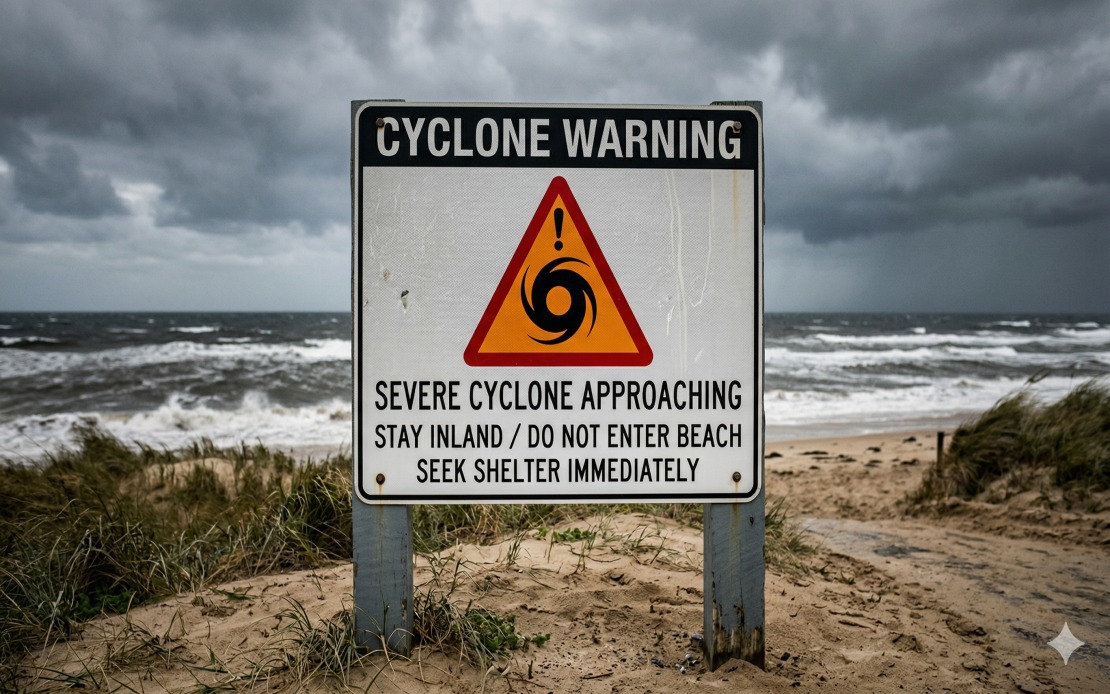
Latvia's meteorological authorities have triggered the nation's most severe weather alert as a powerful cyclone barrels toward the Baltic state, bringing an elevated risk of catastrophic flooding and widespread service disruptions across multiple sectors. The Latvian Environment, Geology and Meteorology Centre declared a red warning on Friday for central regions of the country, including the capital city of Riga and the surrounding municipality of Jelgava, with the alert period extending from 8 am on Saturday through 1 am on Sunday. Officials cautioned that the geographical scope of the warning could shift as weather models are refined, necessitating continued monitoring throughout the critical period.
The anticipated cyclonic system presents a multifaceted threat to Latvia's infrastructure and population. Meteorologists forecast torrential rainfall coupled with exceptionally strong winds, a combination historically associated with significant property damage and environmental degradation. The heavy precipitation poses the most immediate danger, with authorities warning of potential inundation affecting residential structures, roadways, agricultural land, and private gardens across the affected zones. Several thoroughfares may become impassable due to accumulated water and debris, effectively isolating communities and hampering emergency response capabilities.
Beyond flooding, the storm threatens to undermine critical infrastructure networks that modern societies depend upon. Power distribution systems face vulnerability from falling trees and branches that could snap electrical lines and damage transformer stations, potentially leaving substantial populations without electricity during the peak danger period. Water supply infrastructure may similarly suffer disruption, while telecommunications networks could experience service degradation at precisely the moment when residents require access to emergency information and assistance.
The State Fire and Rescue Service has issued explicit guidance to residents, emphasizing the importance of limiting outdoor exposure during the storm's passage. Citizens have been instructed to secure any loose items that could become projectiles in strong winds, including garden furniture, signage, and other objects capable of causing harm if displaced. The agency strongly recommended that residents charge mobile devices in advance of potential power outages, ensuring connectivity with emergency services and access to critical information even if grid electricity becomes unavailable.
The cyclone's approach has already prompted significant preventive measures across Latvia's event calendar. Multiple outdoor gatherings and public celebrations scheduled for the weekend have been cancelled to safeguard public health and safety. Organizers and municipal authorities recognized that proceeding with planned activities during such hazardous conditions would expose attendees to unnecessary risk, particularly given the unpredictability of cyclonic weather systems and their potential to intensify or shift course with limited warning.
The threat extends beyond Latvia's borders into neighboring Estonia, amplifying regional concern about the cyclone's magnitude and trajectory. Estonia's Environment Agency has similarly issued alerts regarding anticipated heavy rainfall and violent winds forecast to impact the country over the same timeframe. Estonian electricity operator Elektrilevi has specifically warned that falling vegetation poses a significant threat to overhead power lines and related transmission infrastructure, a particularly acute concern given Estonia's extensive reliance on above-ground electrical distribution networks.
From a regional perspective, this cyclonic event underscores the increasing frequency and intensity of severe weather phenomena affecting Northern Europe and the Baltic region. Climate scientists have documented a correlation between warming oceanic temperatures and the intensification of storm systems, suggesting that extreme weather events may become more common in coming decades. For policymakers across the Baltic states and indeed throughout Northern Europe, such events serve as practical reminders of the necessity for robust infrastructure resilience and comprehensive disaster preparedness frameworks.
The timing of the alert reflects modern meteorology's improved forecasting capabilities, which now enable authorities to provide populations with several days' notice before severe weather strikes. This advance warning window allows residents, businesses, and government agencies to implement protective measures, mobilize resources, and adjust plans accordingly. However, the red alert classification indicates that despite technological advances, the anticipated storm retains characteristics that exceed normal operational thresholds and warrant extraordinary precautions.
For Malaysian readers and those monitoring European affairs, Latvia's response to this cyclonic threat illustrates how developed economies manage extreme weather events through systematic warning protocols, public communication, and coordinated emergency preparedness. The Latvian approach—combining scientific forecasting with clear public guidance and infrastructure safeguarding—represents a model of disaster management that emphasizes prevention and risk reduction. As Southeast Asian nations frequently experience typhoons and other severe weather phenomena, such protocols merit consideration for adaptation to local contexts and meteorological conditions.

