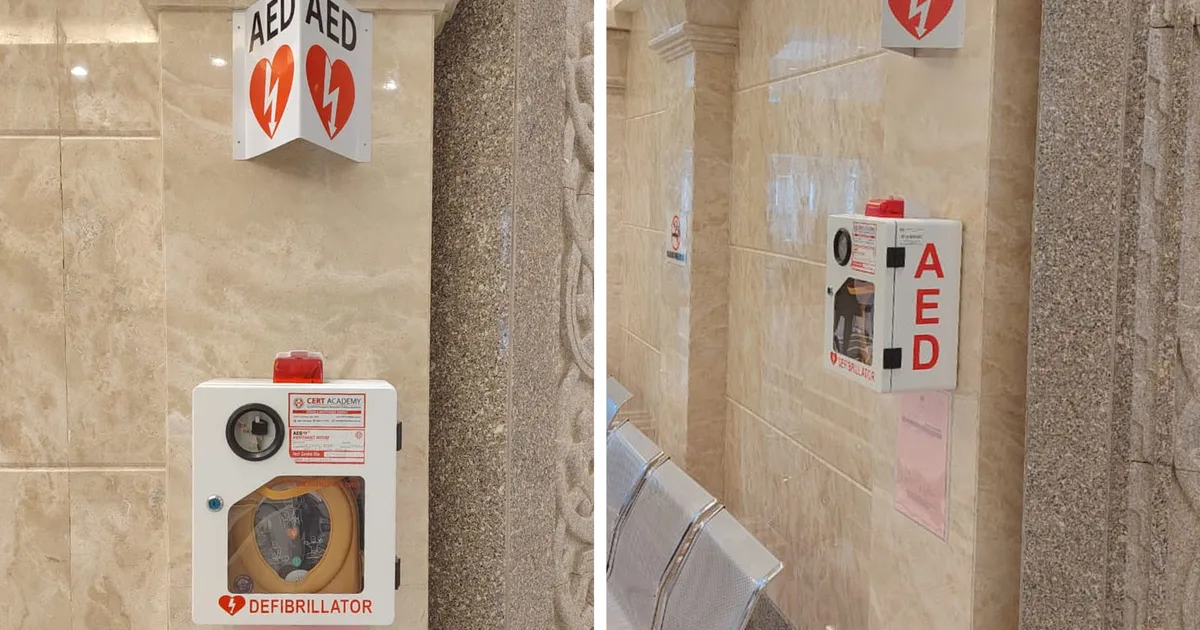
Malaysia's legal community has issued an urgent appeal for the installation of automated external defibrillators at all major court complexes throughout the country, prompted by a tragic incident in which a litigant collapsed from cardiac arrest while attending proceedings at the Kuala Lumpur High Court. The case has reignited discussions about emergency preparedness in judicial buildings and the need for life-saving medical equipment in spaces frequented by thousands of people daily.
The death of the individual at the KL High Court courtroom has served as a sobering reminder of the unpredictability of medical emergencies and the critical importance of having rapid-response equipment readily available in public facilities. Lawyers across the profession have united in their view that defibrillators represent a straightforward, cost-effective intervention that could mean the difference between life and death when cardiac emergencies occur within courthouse walls. The equipment, which provides electric therapy to restore normal heart rhythm, has proven highly effective in improving survival rates during the first crucial minutes after a cardiac event.
The legal profession's position reflects broader international best practice in occupational safety and public health management. Courts are busy environments where large numbers of people—litigants, witnesses, legal professionals, court staff, and members of the public—spend extended periods indoors. This concentration of diverse populations, including elderly individuals and those with existing health conditions, creates a significant baseline risk for medical emergencies. Countries with advanced healthcare infrastructure have recognised this reality and systematically deployed defibrillators in high-traffic public buildings including courthouses, which serves as both a practical and symbolic commitment to public welfare.
The timing of this appeal comes as Malaysia continues to grapple with cardiovascular disease as a leading cause of mortality across the region. Early intervention through defibrillation can dramatically improve outcomes for cardiac arrest victims, with survival rates declining sharply within minutes of an event. Having trained personnel and functioning equipment immediately on hand would establish court facilities as responsible institutional actors in emergency health response. This capability would extend protection not only to those conducting court business but also demonstrate institutional preparedness during any crisis.
Beyond the immediate humanitarian considerations, the lawyers' demand raises questions about the adequacy of current safety protocols and emergency response capabilities within Malaysia's judicial infrastructure. While courts invest significantly in security measures and facility maintenance, emergency medical preparedness has apparently received less systematic attention. The incident at the KL High Court suggests that the judicial system's risk management framework may need realignment to prioritise sudden health emergencies alongside traditional security concerns.
Implementing defibrillators across court complexes would require coordination between the judiciary, health authorities, and facility management to ensure proper equipment placement, staff training, and regular maintenance. The legal profession's call will likely gain traction with policymakers, given that courts represent institutional spaces where the state has clear responsibility for visitor and employee safety. This is particularly true in Malaysia's centralised court system, where the federal government maintains direct oversight of major court facilities.
The proposal also has positive implications for staff wellbeing within the judicial system itself. Court employees, from judges to administrative staff, would benefit from enhanced emergency response capacity during the working day. For judges and court officers who maintain demanding schedules in enclosed spaces, the availability of defibrillators and basic life support equipment recognises the reality that health emergencies can strike unexpectedly across all age groups and health profiles.
Regional comparisons suggest that this initiative, if implemented, would position Malaysia's courts ahead of some Southeast Asian jurisdictions in emergency preparedness. Singapore's courts, for instance, have taken comprehensive approaches to occupational safety that include automated external defibrillator networks. Adopting similar standards would reflect Malaysia's commitment to meeting international norms for public facility management and institutional responsibility.
The legal community's advocacy also touches on broader systemic questions about how Malaysian public institutions prioritise preventive health measures. The relatively low cost of acquiring and maintaining defibrillators compared to potential liability and reputational damage from inadequate emergency response suggests this represents sensible institutional risk management. Training court staff in basic life support and defibrillator operation would constitute a worthwhile professional development investment with clear public benefit.
Moving forward, the judiciary must weigh the lawyers' recommendations against budgetary constraints and operational priorities. However, the incident has created momentum for change, positioning emergency medical equipment as a visible and necessary component of court facility standards. Implementation would likely begin with Kuala Lumpur's High Court and expand systematically to regional centres including George Town, Ipoh, Johor Bahru, and Kota Kinabalu, creating comprehensive coverage across Malaysia's major judicial venues.
The broader significance of this advocacy extends beyond the courthouse. It exemplifies how tragic incidents can catalyse institutional reflection and drive improvements in safety standards. The legal profession's unified voice carries weight in policy discussions, suggesting that court authorities will face considerable pressure to respond substantively to these demands. Whether through full installation of automated systems or enhanced emergency protocols, the incident has made it clear that Malaysia's courts must reassess their preparedness for medical crises.

