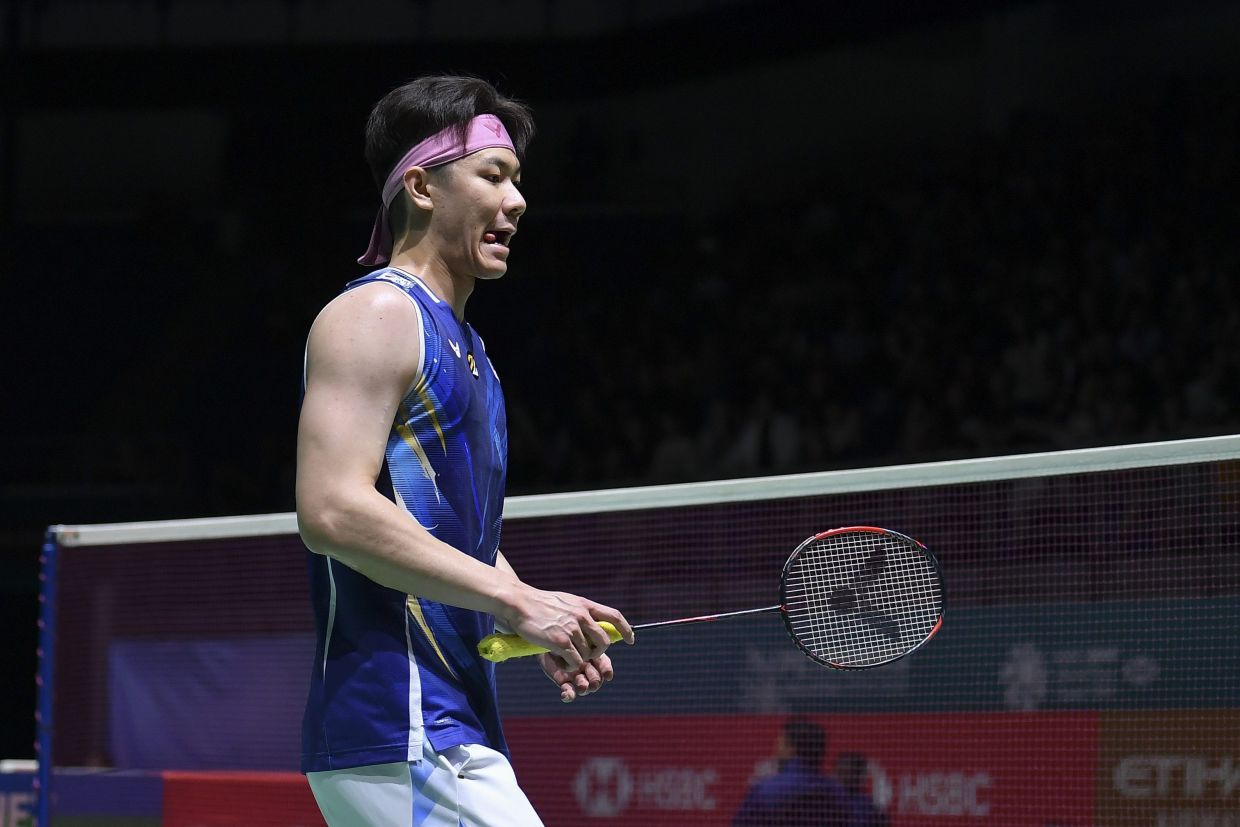
Lee Zii Jia is determined to overcome the most difficult chapter of his professional badminton career, publicly pledging to continue competing rather than surrender to the mounting pressures that have tested his resolve. The 28-year-old shuttler, whose stock has plummeted since departing Malaysia's national programme two years ago, has faced relentless obstacles including persistent injuries, inconsistent tournament performance, and deepening self-doubt that threatened to derail his aspirations entirely.
Through a candid social media statement released on Sunday, the Kedah-born athlete extended his gratitude to supporters and close companions who stood by him during what he describes as periods when he struggled to recognise himself. Zii Jia's acknowledgement of this internal turbulence reveals the psychological dimension underlying his on-court struggles—a recognition that athletic excellence demands not merely technical skill but emotional resilience and self-acceptance. His message resonated particularly because it departed from the typical athlete script of unwavering confidence, instead presenting an honest portrait of vulnerability and the journey toward reclaiming lost momentum.
The shuttler's decision to leave the national training system in 2022 marked a pivotal turning point that would ultimately test his character. Rather than enjoy immediate success as an independent player, Zii Jia encountered a transition fraught with complications. Without the structured support, medical resources, and competitive framework that national badminton programmes provide, his performance trajectory declined markedly. This experience underscores a broader reality for Malaysian athletes contemplating independence—the national system, despite its limitations, offers institutional advantages that can prove indispensable during career transitions and recovery phases.
What distinguishes Zii Jia's recent statement is his articulation of a fundamental philosophical shift regarding personal worth and achievement. He acknowledged that worth should not be measured exclusively through tournament victories, but rather through sustained effort and commitment to improvement. This maturation in perspective suggests that beyond technical badminton concerns, the shuttler has engaged in serious introspection about motivation and purpose. For Malaysian sports enthusiasts accustomed to celebrating only champions, his emphasis on the intrinsic value of persistent endeavour offers a refreshing counterpoint that speaks to broader questions about how societies evaluate athletic contributions.
The Olympic bronze medallist's reference to gathering courage to speak up about his circumstances hints at uncomfortable realities surrounding athlete welfare and autonomy within Malaysian badminton circles. His assertion that he needed to reclaim agency over his career decisions and create a supportive environment suggests previous experiences where external pressures or expectations constrained his autonomy. These oblique references invite scrutiny of how national sports organisations manage athlete development, particularly regarding psychological support and the space granted to individuals to determine their own competitive trajectories without excessive institutional interference.
Zii Jia's trajectory exemplifies the precarious position occupied by ambitious athletes operating outside traditional support structures. His recent Canadian Open campaign, which yielded a semi-final appearance before losing to Japan's Koki Watanabe, demonstrated modest progress that might encourage continued investment in his comeback. This result, modest by his historical standards, nonetheless represented his strongest showing in recent months and suggests that the foundation for recovery, though fragile, remains intact. For Malaysian badminton observers, such incremental improvements matter because they demonstrate that complete career collapse has not occurred despite the turbulent passage.
The scheduling of upcoming tournaments—the Taiwan Open commencing July 28 and the Korean Masters beginning August 4—provides a compressed window for Zii Jia to build momentum through consecutive international competition. This tournament calendar proves particularly significant as it offers repeated opportunities to test tactical adjustments and rebuild confidence against elite opposition. The concentration of tournaments within a brief period contrasts with his earlier struggles, when extended gaps between competitions may have amplified negative thought patterns and diminished competitive sharpness.
Zii Jia's situation carries implications extending beyond individual achievement, touching upon questions of sporting culture within Malaysia. His willingness to publicly acknowledge struggle contradicts conventional athlete narratives that emphasise invulnerability and continuous ascendancy. This transparency, particularly in a nation where badminton occupies substantial cultural importance, models a more realistic portrayal of athletic life and the multifaceted challenges professionals navigate beyond visible court performance. Such honesty potentially influences younger badminton aspirants' understanding of resilience and the legitimacy of seeking support during difficult periods.
The shuttler's commitment to returning focus to badminton fundamentals, coupled with his determination to stabilise personal circumstances, suggests a deliberate attempt to compartmentalise and prioritise. Having acknowledged the interconnectedness of psychological wellbeing and athletic performance, he now appears intent on reconstructing both simultaneously. This holistic approach differs from earlier interpretations that attributed his decline purely to tactical or technical deficiencies, recognising instead that championship-level badminton demands integration of mental, emotional, and physical dimensions working in concert.
Looking forward, Lee Zii Jia's trajectory warrants close observation from Malaysian badminton enthusiasts and administrators alike. His perseverance during this challenging interval will either validate his decision to leave the national programme or underscore the significant advantages that institutional support provides. Equally important, his journey illustrates how elite athletes navigate the transition between structured programmes and autonomous career management—a transition with implications for how Malaysia develops emerging badminton talent. His refusal to surrender, articulated so publicly and unambiguously, establishes clear expectations against which his performances will be measured in coming months, transforming his statement into both personal commitment and public accountability mechanism.

