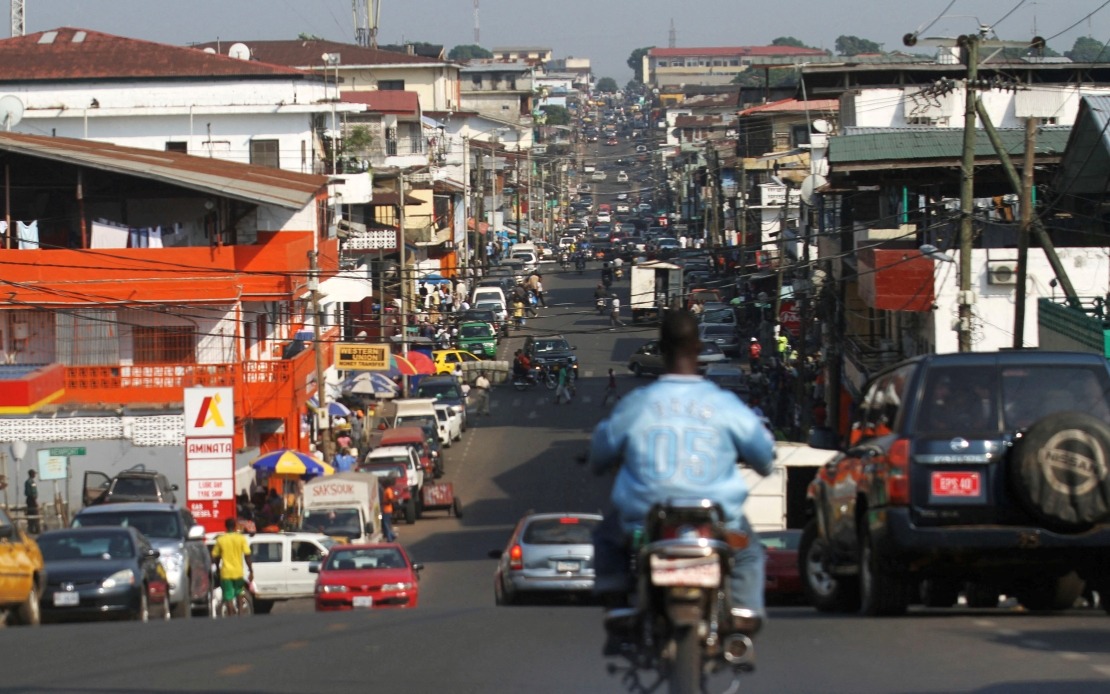
Liberia is bracing for the arrival of the first cohort of Americans deported by the United States under a third-country arrangement, marking a significant diplomatic commitment by the West African nation to shoulder part of Washington's deportation burden. A group of 20 individuals is scheduled to land at Roberts International Airport in Monrovia on Thursday, according to an official government statement released on Tuesday, with senior officials prepared to receive them. This inaugural shipment represents the initial tranche of a broader accord that will ultimately transfer 1,200 deportees from the US to Liberian soil over the coming months and years.
The bilateral agreement, finalised last year, reflects a strategic partnership between the two nations despite growing resistance from other African governments to similar proposals. Where many African states, notably Nigeria, declined participation in what some view as an unpopular arrangement, Liberia joined a select group of countries willing to accept Washington's deportees. Ghana, Sierra Leone, Cameroon, the Democratic Republic of the Congo, the Central African Republic, Equatorial Guinea, and Liberia have all signed on to the scheme, forming a coalition of nations prepared to manage the administrative and logistical complexities of receiving foreign nationals expelled from American soil.
According to Monrovia's official characterisation, the deportees bound for Liberia will encompass third-country nationals from both African and Western Hemisphere countries who have been cleared for travel by medical screening. The statement emphasises that some of these individuals may pursue asylum applications once on Liberian territory, positioning the initiative within the broader context of international protection obligations. This dual purpose—accommodating US deportation requirements while potentially offering refuge to vulnerable populations—attempts to frame an otherwise contentious policy as serving humanitarian objectives alongside diplomatic necessity.
The Liberian government has sought to underscore the voluntary and principled nature of its participation, asserting that the arrangement aligns with the nation's historical role as a sanctuary for people fleeing persecution and armed conflict. Monrovia's official statement explicitly notes that the country has neither requested nor accepted financial compensation for consenting to the programme, a distinction that appears designed to deflect criticism that African nations are being paid to absorb America's deportation overflow. Instead, officials emphasise that Liberia will receive technical and financial support aimed at strengthening its migration management infrastructure and capacity-building initiatives.
From a regional perspective, Liberia's acceptance of this arrangement carries significant implications for West African geopolitics and the continent's relationship with the United States. The decision reflects divergent approaches among African governments to American pressure on migration matters, with some nations prioritising sovereign independence and others viewing cooperation as conducive to broader diplomatic and economic relationships. Nigeria's outright rejection of the scheme demonstrated that Africa's response is neither monolithic nor predetermined, even as several neighbours chose accommodation over confrontation.
The practical challenges of absorbing and integrating 1,200 deportees should not be underestimated, particularly for a nation still recovering from decades of civil conflict and rebuilding its institutions. Liberia's migration system, while receiving international support, will require substantial capacity enhancement to process, shelter, and reintegrate such a population. The influx could strain social services, housing, and employment resources in a country where unemployment and poverty remain stubborn obstacles to development.
The agreement's humanitarian framing masks deeper complexities inherent in third-country deportation arrangements. While Liberia insists it seeks no compensation, the tacit understanding that technical support and institutional strengthening will flow from Washington suggests an implicit quid pro quo beneath the diplomatic language. For Southeast Asian observers, the Liberian case illustrates how even resource-constrained developing nations navigate transnational migration pressures and the subtle coercion embedded in such agreements.
International migration scholars and human rights advocates have questioned whether deportees transferred through such arrangements receive adequate due process protections and whether destination countries possess genuinely informed consent when negotiating these deals. The Liberian statement's assertion that participation reflects the nation's humanitarian tradition somewhat sidesteps questions about whether citizens were consulted in this decision or whether the arrangement adequately protects deportee welfare.
For Malaysia and other Southeast Asian countries, Liberia's experience offers cautionary lessons about managing external pressure on migration policy while protecting national interests. As developed nations increasingly pursue offshore deportation strategies, developing countries must weigh diplomatic advantages against genuine capacity constraints and social implications. The precedent established by Liberia and its partner nations could influence future US negotiations with other regions, potentially including Southeast Asia, where irregular migration remains a persistent challenge.
The arrival of Thursday's first batch will test both the logistical framework and Liberia's political commitment to the broader programme. Initial implementation success or failure will likely shape how African and other developing nations view similar future proposals from the United States and other developed economies seeking to outsource deportation responsibilities.

