The town of Serian in Sarawak is grappling with a familiar challenge facing many parts of Southeast Asia during seasonal haze periods. Air quality has deteriorated to unhealthy levels, with the Air Pollutant Index Management System recording a reading of 178 at 4 pm on August 13, placing the district squarely in the unhealthy category. Yet despite these concerning measurements, much of daily life continues, albeit with visible adjustments and growing concern among residents about the economic and health implications of prolonged poor air quality.
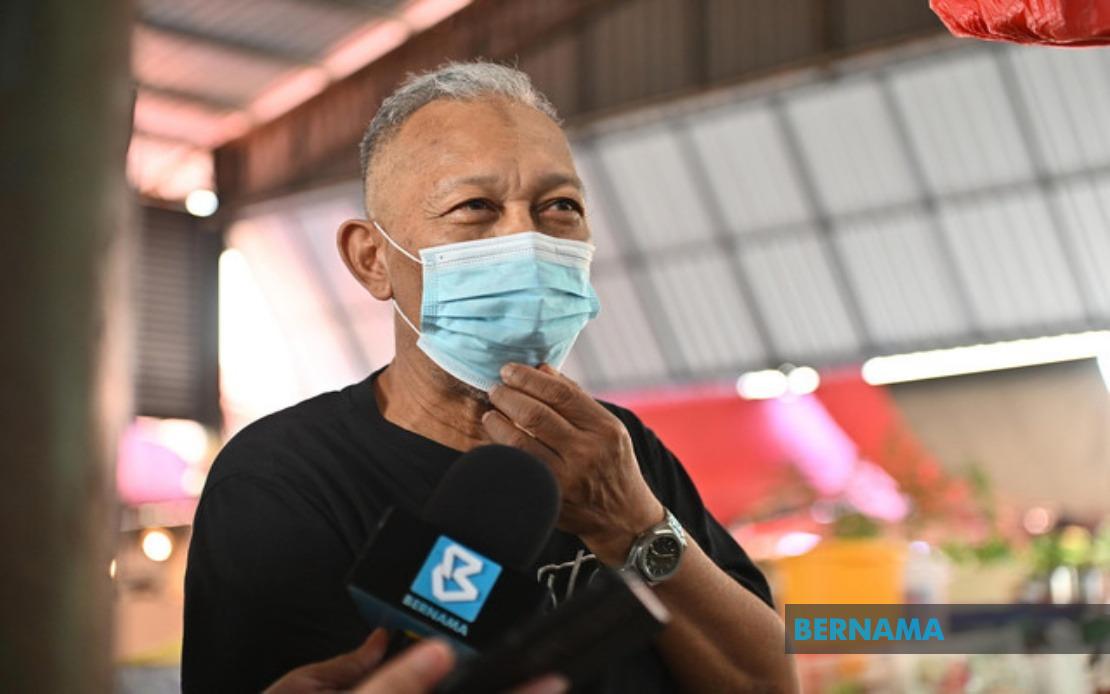
Markets and trading areas present a telling picture of how communities adapt when environmental conditions become adverse. A visit to Serian Tamu Market revealed vendors taking protective measures, with several wearing face masks as they attended to their business. The scene reflects a broader pattern across the region where informal traders, who lack the option to shift operations indoors or relocate, must decide between protecting their health and maintaining their livelihoods. For many, the choice is constrained by economic necessity rather than genuine preference.
Vegetable vendor Asmail Kipli, 62, exemplifies the difficult position facing small business operators during haze episodes. Operating from his stall despite the poor air quality, he explained that rental obligations leave him little room to suspend operations. Over the preceding days, his customer traffic had fallen by roughly 30 per cent, dragging his income down proportionally. While he characterised the current haze situation as not yet at crisis point, his willingness to continue working masks deeper concerns about both his financial vulnerability and exposure to poor air quality over extended periods. His observation that residents are becoming more cautious about unnecessary outdoor activity reflects a gradual shift in behaviour as people weigh convenience against health risk.
Fruit seller Marina Latong, 53, has already begun making more substantial operational changes. She has trimmed her working day to finish by 3 pm, a clear signal that air quality is affecting her willingness to spend long hours in the polluted environment. Her comments about potential temporary closure if conditions deteriorate further highlight a critical decision point for traders operating on thin margins. The prospect of shutting down temporarily, while necessary for health protection, creates acute financial pressure for vendors with fixed costs and limited savings.
Beyond the market economy, the broader population is adjusting its movement patterns. Residents of surrounding villages continue handling essential errands such as grocery shopping and purchasing necessities, but there is a visible pattern of people limiting outdoor time to what is genuinely required. This behavioural shift, while sensible from a health standpoint, carries its own economic consequences as reduced foot traffic affects service businesses and retail establishments across the community.
The government response has centred on school closures as a protective measure. One hundred and seven schools across Serian suspended operations from August 13 through Friday, removing a significant population segment from exposure to hazardous air. This intervention acknowledges the particular vulnerability of children to air pollution and the difficulty of maintaining normal educational activities when outdoor air is unsafe for extended periods. However, school closures create secondary disruptions for working parents and raise questions about educational continuity when such episodes become more frequent or prolonged.
The situation in Serian is emblematic of challenges facing Southeast Asian communities during seasonal haze events. Unlike more affluent districts where businesses can invest in air filtration systems or relocate operations, smaller towns and rural areas lack such options. Workers and traders remain exposed to unhealthy conditions because their economic circumstances permit no alternative. This disparity in adaptive capacity reveals structural inequalities in how environmental hazards affect different social groups across the region.
The haze events, while sometimes portrayed as temporary nuisances, carry cumulative health costs that extend beyond the immediate period of poor air quality. Residents exposed repeatedly to unhealthy air levels face increased risks of respiratory disease, cardiovascular complications, and other chronic conditions. For older residents and those with existing health vulnerabilities, even moderate haze episodes pose genuine danger. The normalisation of continuing daily activities despite unhealthy air quality essentially distributes these health costs disproportionately across populations with fewer resources to protect themselves.
Looking at the broader picture, Serian's experience reflects patterns increasingly common across Southeast Asia as haze episodes grow more frequent and intense. The adaptation visible in the market and daily life represents both resilience and resignation. Communities are demonstrating their capacity to absorb disruptions and continue functioning, yet this adaptability should not obscure the real costs imposed by environmental degradation. The traders reducing hours, the schools closing their doors, and the residents limiting their movement all represent adjustments to a situation that remains fundamentally undesirable and potentially preventable through regional cooperation on transboundary pollution.

