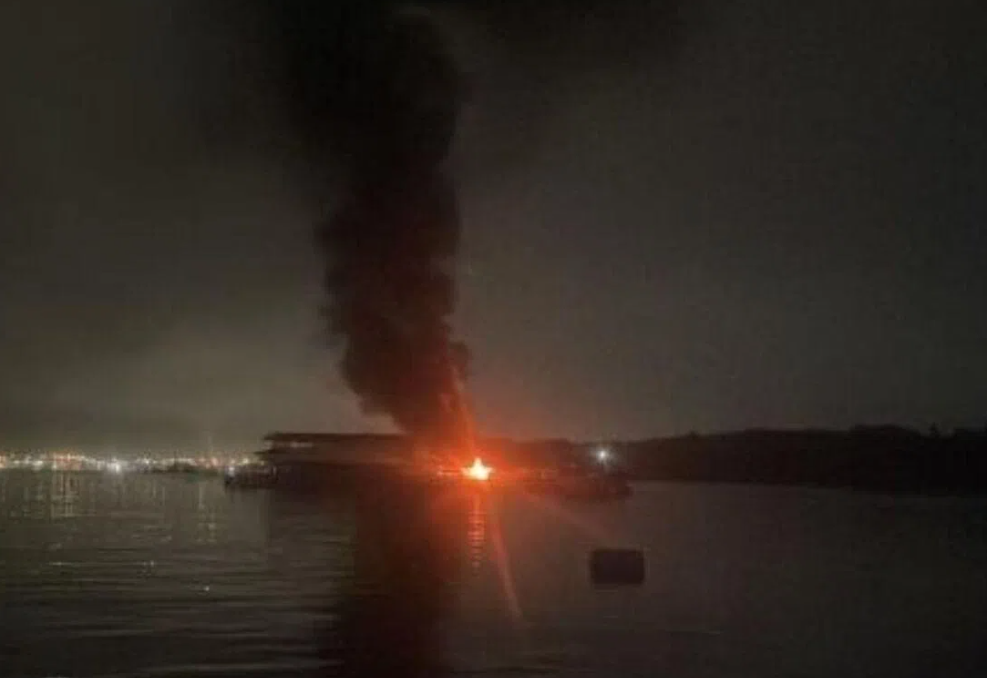
A fire that swept through at least two floating fish farms near Pulau Ubin in Singapore on June 24 has drawn attention to the hazards faced by the region's aquaculture sector during severe weather. The Singapore Civil Defence Force received the alert at approximately 8.10pm and deployed marine vessels from the Maritime and Port Authority of Singapore, along with Airport Emergency Service personnel, to battle the blaze that took hours to extinguish. The fire is believed to have initiated at one farm before spreading to two neighbouring operations situated off the Lorong Halus jetty, an area sandwiched between Pulau Ubin and Pulau Ketam in the waters near Pasir Ris.
Investigators have identified a lightning strike as the suspected culprit, with reports suggesting the electrical discharge struck the solar panels installed on one of the fish farms. This preliminary finding underscores the particular vulnerability of aquaculture installations equipped with solar energy systems during thunderstorms, a concern that becomes increasingly relevant as Southeast Asian operators adopt renewable energy technologies to reduce operational costs and environmental footprints. The incident occurred without any reported injuries, though the absence of workers at the time of ignition may have prevented casualties.
The financial toll on affected operators has been substantial. One farm owner estimated personal losses of up to S$120,000, representing a significant blow to what are typically small to medium-sized family enterprises. The damage inventory reveals the comprehensive nature of destruction across the floating installations: fish feed stocks, generators, solar panels, a fishing boat, and at least three fish traps were among the items consumed or damaged by the flames. Fishing nets sustained considerable harm as well, creating secondary losses when at least half of the farm's fish stock escaped into open water—a scenario that compounds immediate financial damage with long-term stock recovery challenges.
A notable grievance aired by one affected owner concerns the inability to claim insurance for the incident, suggesting that lightning-strike damage may fall outside the coverage parameters of policies commonly held by floating fish farm operators. This gap in insurance protection raises broader questions about risk management in Singapore's aquaculture sector and whether existing insurance products adequately account for weather-related hazards inherent to offshore farming operations. The concern is particularly acute given that this incident was not an isolated event; the same owner acknowledged prior instances of solar panel damage from lightning strikes, all of which had been managed more effectively because workers had been present to respond immediately and prevent escalation.
The difference in outcomes between this incident and previous lightning-strike episodes highlights the critical role of on-site presence and rapid response capacity. When workers were stationed at the farms during previous incidents, they managed to contain damage and prevent conflagrations. The absence of personnel on the evening of June 24 meant that the initial strike and resulting ignition went unattended during crucial minutes when intervention could have made a decisive difference. This operational reality suggests that floating fish farms, particularly those with high-value assets like generators and solar installations, may face pressure to maintain more continuous on-site presence or develop automated early-warning and fire-suppression systems.
The emergency response itself demonstrated coordinated regional maritime capabilities. Beyond SCDF resources, the mobilization of Maritime and Port Authority of Singapore and Airport Emergency Service vessels reflected the intersection of multiple agencies in Singapore's port and coastal safety infrastructure. Neighbouring fish farm operators also actively participated in firefighting efforts, demonstrating community-level cooperation that proved essential in controlling the blaze. This collective response underscores the interconnectedness of floating farm operations and the way localized incidents can catalyze broader community engagement in emergency mitigation.
For Malaysia and other Southeast Asian nations with similar aquaculture sectors, this incident carries instructive implications. Floating fish farms are concentrated in multiple locations across the region, including along Malaysian coasts, and they operate under comparable atmospheric and meteorological conditions. The vulnerability of solar panel installations to lightning strikes is particularly relevant as the industry transitions toward renewable energy adoption. Operations managers across the region would benefit from reviewing their lightning-strike preparedness protocols, examining insurance coverage gaps, and considering investment in automated detection systems that could alert distant monitoring centres when electrical storms approach farming zones.
The broader context of Singapore's aquaculture industry, which the Singapore Food Agency oversees as part of the nation's food security strategy, reveals why such incidents warrant sustained attention. The city-state has been developing more intensive aquaculture methods to reduce dependence on food imports, making the operational resilience of existing farms increasingly important to national food strategy. Losses sustained by individual operators translate into reduced local production capacity and potential supply-chain disruptions, factors that ripple through regional markets and consumer prices.
The incident also raises questions about the adequacy of current operational standards for floating fish farm design and maintenance. Equipment failures triggered by lightning are not unprecedented in marine industries, and maritime engineering has developed various mitigation strategies ranging from grounding systems to surge protection devices. Whether such safeguards are universally implemented across Singapore's floating farm fleet, and whether standards exist mandating their use, remains unclear from available information. Regulatory authorities may consider whether updates to aquaculture licensing or operational guidelines would reduce recurrence of such incidents.
Looking forward, operators of floating fish farms across the region face mounting pressure to integrate climate resilience into their business models. As weather patterns potentially intensify and extreme meteorological events become more frequent, the vulnerability of offshore installations to lightning strikes, storm surge, and other hazards will likely become more pronounced. Insurance products may need to evolve, technological safeguards will require investment, and operational protocols will demand refinement. For Malaysia's fish farming communities, which operate similar installations in comparable environments, the Singapore incident serves as a cautionary reminder that proactive risk management and continuous improvement in emergency response capabilities remain essential to long-term sector sustainability.

