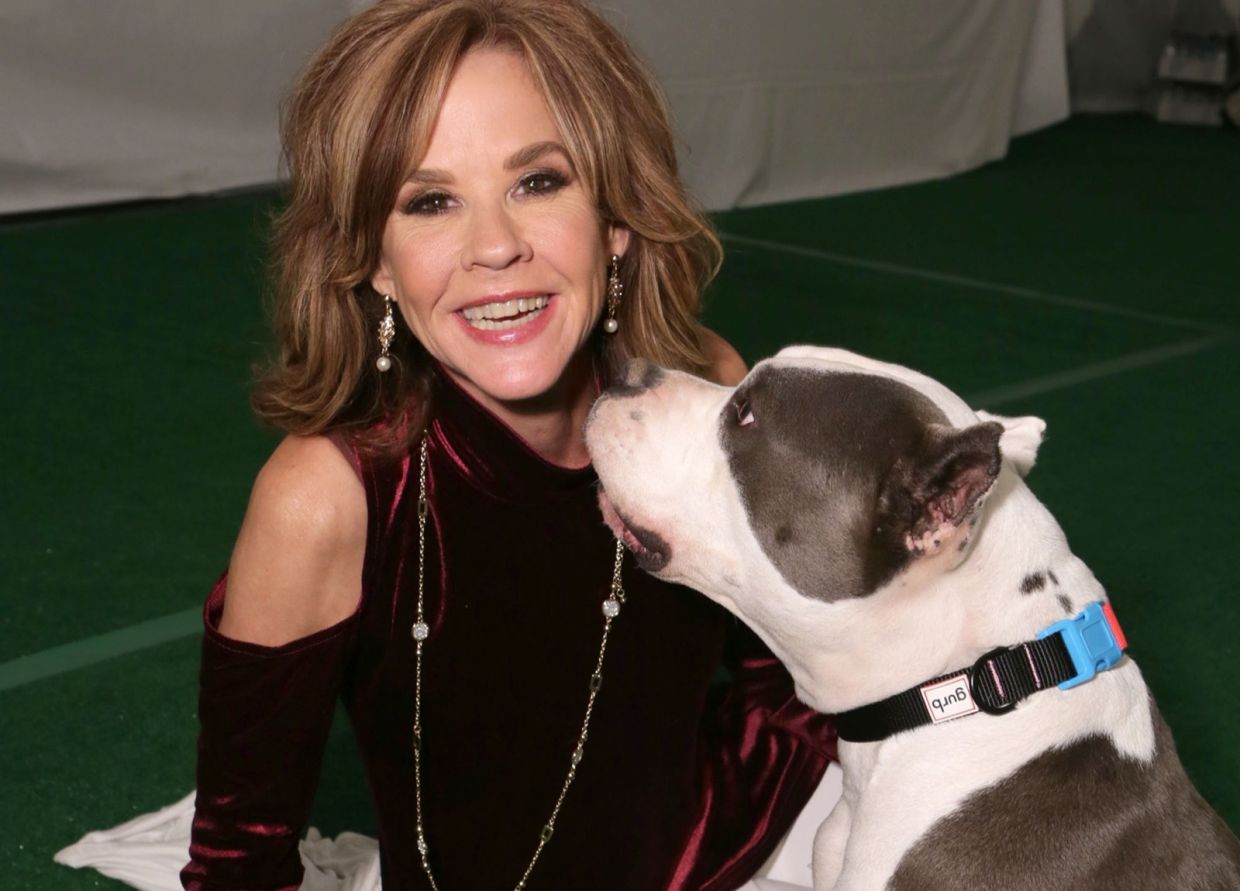
Actress Linda Blair's Southern California property became the focus of a coordinated law enforcement operation on Friday afternoon when officers from the Los Angeles County Department of Animal Care and Control and the Department of Regional Planning executed an investigative warrant to inspect facilities housing more than 100 rescue dogs said to be operating without the required permits and documentation.
The dual-department investigation emerged following allegations that Blair's kennel facility had been operating in violation of county codes. Although the 67-year-old performer had previously maintained a valid permit for her animal rescue operations, that authorisation lapsed in 2023, leaving the facility in non-compliance with local regulations. The warrant specifically authorised officials to access the premises and determine whether the operation met applicable County standards and requirements.
According to authorities, attempts to reach Blair through standard channels proved unsuccessful. Officials from both departments reportedly made multiple contact efforts before deciding to conduct the unannounced inspection. This pattern of communication failure—whether due to administrative oversight, staffing challenges in animal rescue operations, or simple oversight—ultimately prompted the formal enforcement action that unfolded in the heat of a Friday afternoon.
During the inspection, Blair demonstrated cooperation with investigating officials, a detail that reflects positively on her willingness to engage with regulatory authorities despite the surprise nature of the operation. She has emphasised that she faces no criminal charges stemming from the incident, suggesting that the matter centres entirely on regulatory compliance rather than any deliberate violation of animal welfare standards.
The actress subsequently addressed the situation through social media, releasing a video statement on Instagram Friday evening to clarify her position and reassure supporters of her animal rescue work. In her remarks, Blair stressed that both she and the animals remained in good health and that the matter primarily involved paperwork resolution—essentially a bureaucratic issue requiring attention rather than a substantive animal welfare crisis. She acknowledged the administrative burden that needed resolution but framed it as a procedural matter.
Blair's written commentary accompanying her video highlighted the operational realities facing animal rescue workers across the region. She noted the demanding nature of rescue operations, particularly efforts to save abandoned animals from harsh desert conditions and overcrowded shelters. The volume of administrative demands—managing email correspondence and social media engagement—can create genuine organisational challenges for nonprofits operating rescue facilities, especially when staff members juggle multiple responsibilities.
The foundation of Blair's animal advocacy stretches back two decades. In 2003, she established the Linda Blair WorldHeart Foundation, a nonprofit organisation dedicated to alleviating suffering among abused, neglected and abandoned animals through rescue, rehabilitation and rehoming initiatives. This long-term commitment to animal welfare demonstrates a sustained personal investment in the cause, suggesting her involvement extends well beyond celebrity association.
The incident highlights broader challenges facing California's regulatory framework for animal rescue operations. Permit expiration, particularly when nonprofits operate with limited administrative staff, represents a common point of friction between well-intentioned organisations and regulatory agencies. The gap between the mission-driven focus of rescue workers and the compliance requirements of government departments can create situations where dedicated individuals inadvertently fall out of regulatory compliance despite maintaining high animal welfare standards.
For Southeast Asian readers observing animal welfare developments in the United States, this case underscores how even established and well-regarded rescue operations can encounter regulatory difficulties. Malaysia and regional countries grappling with similar challenges around stray animal populations and informal rescue networks may recognise comparable tensions between compassionate rescue efforts and formal permitting systems. The incident suggests that strengthening administrative support for legitimate rescue organisations—perhaps through simplified permit renewal processes or dedicated compliance liaisons—could prevent such situations.
The warrant execution itself represents standard regulatory procedure in California's approach to animal facility oversight. Rather than indicating misconduct, such inspections often serve as compliance verification mechanisms, particularly when permit documentation lapses. The fact that officials found the facility operational with a substantial animal population but no current documentation created the legal necessity for formal investigation.
As the regulatory process unfolds, the situation illustrates how nonprofit animal rescue organisations—whether in California or elsewhere—benefit from robust administrative systems ensuring permit renewals and regulatory documentation remain current. For Blair's foundation and similar operations, the incident may serve as a reminder that sustaining rescue missions requires simultaneous attention to both direct animal care and institutional compliance infrastructure. The distinction between regulatory violation and good-faith administrative oversight failure remains crucial as these matters proceed through appropriate channels.

