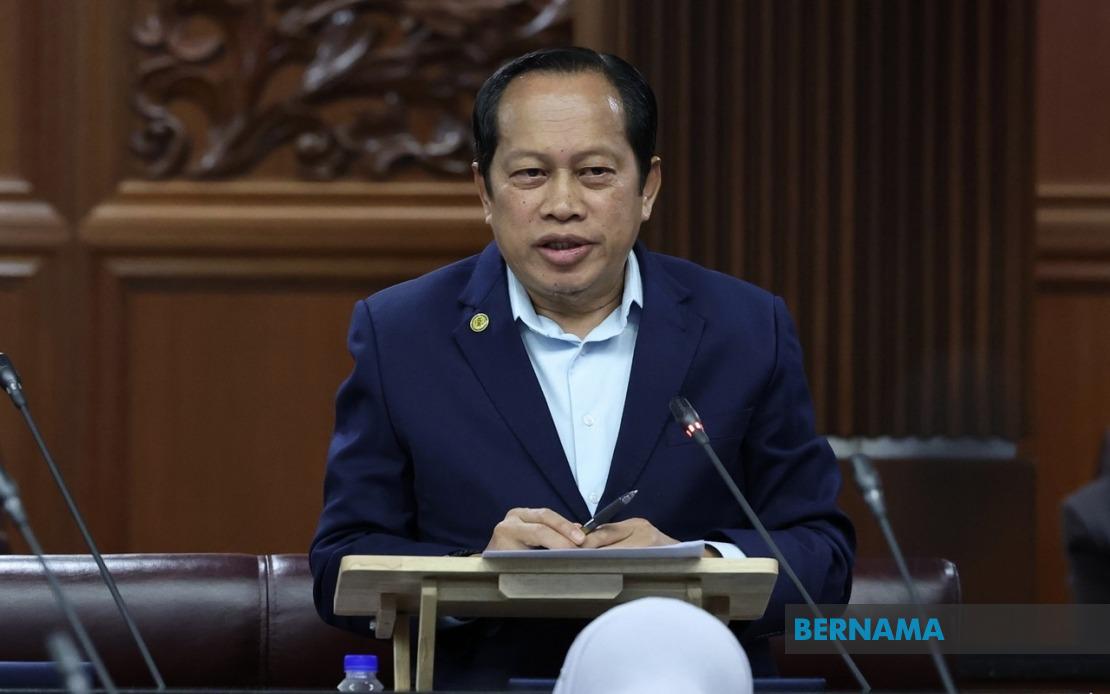
The Malaysian Highway Authority (LLM) is moving forward with an ambitious plan to construct 18 additional motorcycle shelters at strategic locations across the country's major expressways during 2025. The initiative represents a continued commitment to addressing safety concerns specific to Malaysia's large motorcyclist population, who make up a substantial proportion of expressway users. Deputy Works Minister Datuk Seri Ahmad Maslan outlined the distribution of these new facilities during parliamentary proceedings, indicating a geographically balanced approach to highway infrastructure improvement.
The planned shelter locations reflect LLM's strategic assessment of where motorcyclists face the greatest exposure to weather-related hazards. The North-South Expressway will receive six new shelters, positioning it as the primary beneficiary of this year's expansion. The East Coast Expressway Phase 1 follows with four additional facilities, while four other major routes—the Sprint Expressway, Damansara-Puchong Expressway, Shah Alam Expressway, and Kuala Lumpur-Karak Expressway—will each gain two shelters. This distribution suggests that LLM has identified particular vulnerable sections where motorcyclists frequently stop during adverse weather.
The broader context of this initiative reveals substantial infrastructure development in recent years. Between 2023 and 2025, LLM completed 218 motorcycle shelters nationwide, bringing the total portfolio to 571 facilities across all highways. This rapid expansion demonstrates a policy shift toward recognising motorcyclist welfare as a legitimate road safety priority. For Malaysian highway users, many of whom are daily commuters on motorcycles, the proliferation of these shelters represents tangible acknowledgment of their specific needs and vulnerabilities during sudden weather changes—a critical safety consideration in Malaysia's tropical climate.
The rationale behind these investments centres on accident prevention and rider protection. Ahmad Maslan emphasised that the shelters improve comfort and safety while reducing accident risk, though he did not elaborate on specific statistical correlations between shelter availability and accident reduction rates. The underlying logic assumes that by providing designated refuge areas, the authority can discourage motorcyclists from stopping in dangerous locations such as emergency lanes or beneath bridges, where they face exposure to passing traffic.
Beyond physical infrastructure, LLM has implemented complementary safety measures designed to identify and mitigate high-risk locations proactively. All highway concessionaires now must appoint independent road safety auditors to conduct Stage 5 in-service road safety audits every five years. These periodic reviews enable the early detection of dangerous sections and facilitate timely mitigation efforts. This systematic approach to highway management reflects international best practices in road safety management and suggests a more sophisticated understanding of accident causation beyond simple infrastructure provision.
Accident statistics involving motorcyclists seeking shelter reveal both the severity of the problem and recent improvements. Over the past five years, three accidents specifically involving motorcyclists who stopped or sheltered under bridges resulted in six fatalities. The chronological breakdown shows one fatal accident with two deaths in 2022, followed by a more serious incident claiming three lives in 2023. Notably, no such incidents were recorded in 2024 and 2025, though one fatality has occurred so far in the current year. This fluctuating pattern suggests either random variation or the potential early benefits of shelter expansion, though more comprehensive data would be necessary to establish causation.
For Malaysian road users and policymakers, this initiative addresses a gap in highway infrastructure that has long been overlooked relative to passenger vehicle requirements. Motorcycles represent a dominant mode of urban and inter-city transportation across Malaysia, yet highway design traditionally prioritised car-based convenience. The expansion of motorcycle shelters reflects a gradual recalibration of infrastructure priorities toward this significant user demographic.
The implications extend beyond immediate safety improvements to broader questions about highway equity and transport accessibility. Motorcyclists, who often represent lower-income commuter segments and represent a demographic spanning from students to working professionals, now benefit from facilities that acknowledge their specific vulnerability during tropical downpours. This is particularly relevant given Malaysia's monsoon seasons and unpredictable afternoon thunderstorms that frequently impact expressway conditions.
The effectiveness of these shelters depends partly on awareness and accessibility. Motorcyclists must know where facilities exist and trust their quality and safety. LLM's continued investment suggests confidence in the model, though public education campaigns regarding shelter locations and proper usage would enhance their protective value. Furthermore, the integration of these facilities with broader highway management systems ensures they function as components of comprehensive safety strategies rather than standalone amenities.
Looking ahead, the completion of 18 additional shelters will advance Malaysia's position as a highway system increasingly responsive to diverse user needs. The combination of physical infrastructure expansion and systematic safety auditing creates a multi-layered approach to accident prevention. For Southeast Asian comparators, Malaysia's structured investment in motorcyclist safety infrastructure offers lessons in recognising diverse transportation modes within modern highway systems.
The Deputy Works Minister's parliamentary response indicates government awareness of constituency concerns regarding motorcyclist safety, suggesting that pressure from riders and their advocates has successfully influenced policy direction. As Malaysia continues developing its expressway network and improving existing infrastructure, the prominence accorded to motorcycle-specific facilities signals an evolving understanding of inclusive road design. Whether the ambitious 2025 targets translate into measurable safety improvements will likely inform future expansion plans and resource allocation across Malaysia's highway network.

