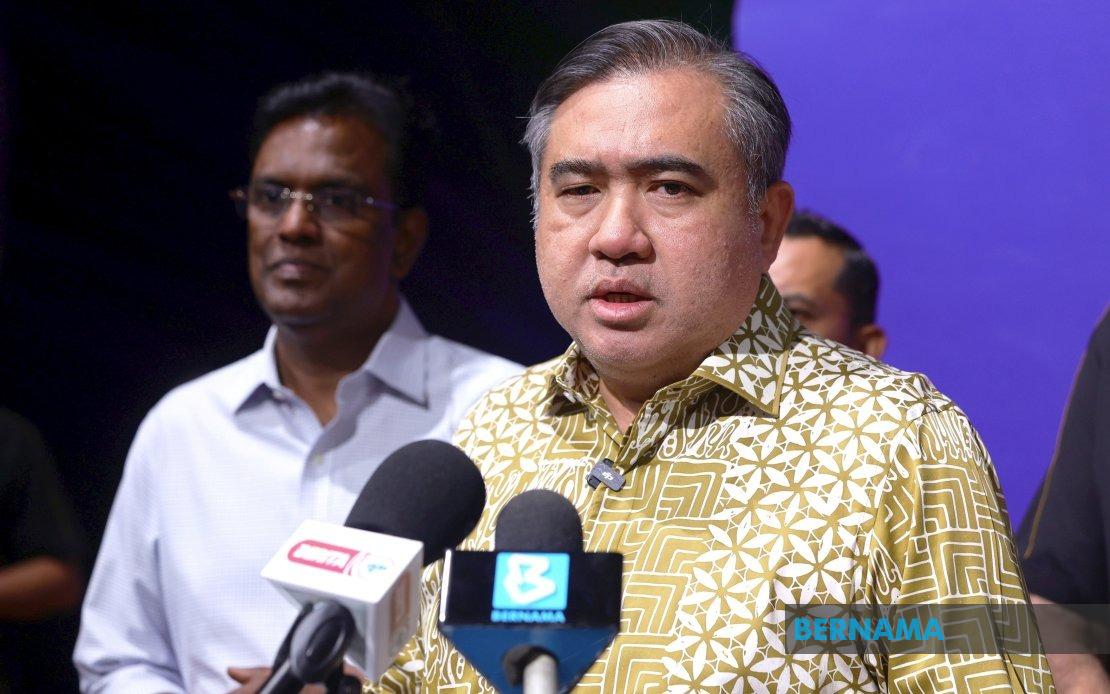
Anthony Loke, the incumbent assemblyman for Chennah and secretary-general of the Democratic Action Party, has signalled his willingness to compete against any candidate who steps forward to contest his state seat in the upcoming Negeri Sembilan election. Speaking in Seremban on July 2, Loke demonstrated a composed stance towards potential political rivalry, framing electoral competition as an intrinsic element of democratic governance rather than a personal threat. His remarks came in response to speculation that businessman Albert Tei might enter the race following offers of candidacy from a political party.
Loke's measured approach reflects a broader philosophy about democratic participation. He emphasised that Malaysia's political system affords citizens the fundamental right to contest elections, and he welcomed such engagement from any prospective candidate willing to meet constitutional standards. This openness contrasts with the defensive postures sometimes adopted by incumbent politicians facing challengers, instead positioning Loke as confident in both his record and his electoral standing. His comments underscore the normalcy of intra-electoral competition within functioning democracies, a message particularly relevant for Negeri Sembilan voters preparing for their state ballot.
However, Loke tempered his welcoming stance with practical reminders about the election process. He cautioned potential contestants that they must satisfy specific eligibility criteria established by electoral authorities, most notably updating their registered address to correspond with the constituency where they intend to run. This technical caveat serves as an implicit barrier to opportunistic candidacies and reflects the serious administrative requirements underpinning legitimate electoral participation. Such clarifications help maintain the integrity of the nomination process and prevent frivolous entries that might confuse voters or dilute the quality of parliamentary representation.
During the MyLesen B2 programme launch, an event focused on driver licensing initiatives, Loke redirected the conversation away from speculation about opponents towards his substantive commitments as Chennah's elected representative. Rather than engage in detailed commentary about Tei or other potential challengers, he stressed that his current energies remain devoted to discharging his responsibilities to constituents. This strategic framing allows him to maintain the moral high ground by appearing focused on public service rather than entangled in personality-driven political bickering. For Malaysian voters increasingly concerned about substance over spectacle in politics, such an approach may resonate positively.
Loke's reference to three consecutive terms as Chennah's assemblyman underscores his established track record in the constituency. Winning three consecutive elections suggests substantial voter confidence and a demonstrated ability to retain support despite political shifts across Negeri Sembilan and Malaysia more broadly. This history of electoral success provides him with considerable organisational and grassroots momentum heading into the 16th state election, making him a formidable incumbent despite the prospect of competition. Constituents familiar with his previous initiatives and presence are more likely to return him unless his opponent offers compelling reasons for change.
The electoral timeline set by the Election Commission creates a compressed campaign window for all participants. With July 18 designated as nomination day, candidates have limited time to mobilise their machinery and establish their campaigns. Early voting occurs on July 28, followed by the main polling day on August 1. This schedule compresses the traditional campaign period and favours incumbents with established structures, funding, and name recognition. Loke's willingness to embrace the compressed timeframe suggests confidence in his organisational readiness and existing voter familiarity. Challenger candidates, particularly those emerging late in the process, would face significant structural disadvantages in reaching voters within such constraints.
For Malaysia's political landscape, the Negeri Sembilan election represents a meaningful test of voter sentiment at the state level. The composition of the Negeri Sembilan state assembly influences the state government's legislative capacity and reflects broader regional political trends. DAP's performance in constituencies like Chennah contributes to the party's overall electoral viability and its standing within the political ecosystem. A strong showing by Loke would reinforce DAP's urban and suburban support base, while any loss would prompt reassessment of the party's relevance in state politics.
Loke's emphasis on democratic principles carries significance beyond personal political calculation. In an era when political leaders occasionally resort to exclusionary tactics or attempts to delegitimise opposition, his explicit welcome of electoral competition sends a positive signal about democratic health. Recognising that legitimate electoral processes require genuine contestation between serious candidates strengthens public confidence in the system. When voters witness incumbents defending their seats through persuasion and performance rather than obstruction, it reinforces the notion that electoral outcomes reflect genuine citizen preferences rather than predetermined outcomes.
The backdrop of Loke's comments includes broader questions about Negeri Sembilan's political direction. The state has experienced various configurations of power, and the 16th election will determine whether existing coalitions solidify or reorganise. Loke's DAP operates within a specific alliance framework, and his electoral outcome will influence whether those partnership arrangements prove durable or require adjustment. For Southeast Asian observers monitoring Malaysia's political maturation, state elections like Negeri Sembilan's provide valuable indicators of democratic stability and voter engagement at subnational levels where governance often feels more tangible and immediate to citizens.
As the campaign season officially begins with nomination day approaching, Loke's readiness to face competition stands as a straightforward assertion of confidence. Whether Albert Tei or other candidates ultimately emerge to challenge him will become clear during the nomination period. What remains certain is that Chennah voters will have opportunities to evaluate their incumbent against alternatives, fulfilling the essential democratic function of electoral choice. For Loke, converting his stated preparedness into electoral victory will require sustained engagement with constituents and demonstration of continued commitment to their interests throughout the campaign.

