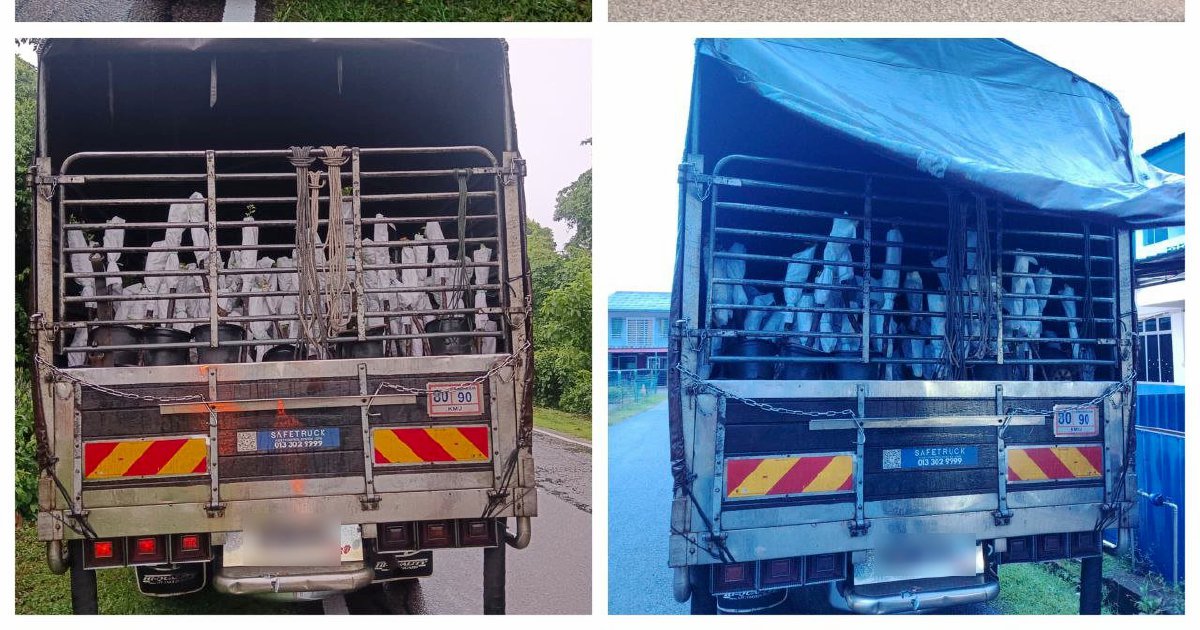
Authorities at the Rantau Panjang border checkpoint intercepted a consignment of illegal plant saplings yesterday, leading to the arrest of a lorry driver and his attendant. The contraband, smuggled from Thailand, carried an estimated street value of RM85,000 and represents one of several botanical smuggling operations detected along the porous Malaysia-Thailand border region in recent months.
The arrest underscores the persistent challenge faced by Malaysian customs and border enforcement agencies in combating the unlicensed importation of horticultural stock. The saplings were discovered during a routine inspection at Rantau Panjang, a major cross-border point in Kelantan that handles substantial volumes of legitimate trade between the two nations. The interception suggests that smuggling networks continue to exploit transit corridors despite increased vigilance from authorities.
Plant smuggling typically targets ornamental and agricultural species that command premium prices in regional markets but may not have valid import permits from Malaysia's Department of Agriculture. The RM85,000 valuation indicates a significant commercial operation rather than opportunistic trafficking, suggesting the saplings were destined for wholesale nurseries or landscaping enterprises that may have circumvented proper regulatory channels. Such illicit imports pose risks to Malaysia's plant health systems by potentially introducing pests, diseases, or invasive species without quarantine screening.
Rantau Panjang, situated along the Kelantan-Narathiwat frontier, represents a critical transit point for both legitimate commerce and contraband. The region's geography and cross-border movement patterns have historically made it attractive to smugglers seeking to bypass formal border checkpoints. Authorities have intensified operations in recent years, yet the steady flow of intercepted goods suggests that enforcement capacity remains strained relative to the volume of traffic attempting to cross unofficially.
The involvement of lorry transport indicates an organised distribution network rather than amateur smuggling. Professional cross-border hauliers often operate on thin margins and may be incentivised to supplement legitimate cargo with contraband to maximise returns per journey. Drivers and attendants typically occupy the lower tier of these operations, bearing greater arrest risk than the middlemen and traders orchestrating the larger smuggling scheme. The RM85,000 valuation suggests profits substantial enough to compensate for such exposure.
Malaysia's plant import regulations, administered by the Department of Agriculture, require permits and phytosanitary certification for most horticultural imports to prevent the introduction of regulated pests and diseases. The saplings' clandestine importation bypassed these mandatory biosecurity measures, potentially exposing Malaysia's nursery and agricultural sectors to hidden threats. Recent years have witnessed heightened global concern over crop diseases, making regulatory compliance increasingly critical for regional food and agricultural security.
The arrest also reflects broader efforts by Malaysian authorities to address transnational smuggling across the Thai border, an area traditionally associated with contraband movement in narcotics, wildlife products, and luxury goods. While botanical smuggling may receive less public attention than narcotics interdiction, it nevertheless represents a significant regulatory violation and a potential vector for agricultural contamination. The consistency of such seizures suggests systematic enforcement is yielding results, though prosecutions and deterrence remain limited without concurrent efforts to dismantle supply networks upstream in Thailand.
Thailand's horticultural sector is substantial and diverse, producing numerous species for domestic consumption and regional export. Some Thai-origin plants command premium prices in Malaysian markets where local availability is limited or where specific cultivars are sought. Smuggling economics favour species with high unit value relative to volume and weight, making many ornamental saplings attractive targets for illicit trade. Legitimate importers operating through official channels must navigate licensing fees, quarantine procedures, and documentation requirements that increase landed costs, creating price differentials that incentivise smuggling.
For Malaysian consumers and legitimate horticulturists, smuggling creates market distortions by undercutting lawfully imported and domestically produced saplings. Nurseries operating within regulatory frameworks face unfair competition from informal suppliers dealing in contraband stock. Moreover, the absence of quarantine certification on smuggled plants means consumers purchasing from informal markets assume risks of acquiring diseased or pest-infested material that could damage gardens, landscapes, or agricultural operations.
The investigation into yesterday's arrest will likely focus on identifying the traders and intermediaries behind the shipment, as lorry operators typically represent expendable elements of larger smuggling networks. Authorities may employ this interception to map supply chains and identify recurring trafficking routes, information valuable for targeting future enforcement efforts. Such intelligence gathering, when systematically analysed across multiple seizures, can reveal patterns enabling more strategic deployment of border resources.
Successful interdiction alone, however, provides limited deterrent value without complementary prosecutions and penalties sufficiently severe to discourage participation. Strengthening regional intelligence sharing between Malaysian and Thai authorities could improve pre-border detection and disrupt smuggling operations before goods reach the Malaysia-Thailand crossing points. Enhanced cooperation might also address the Thailand-side factors enabling continued supply, including insufficient enforcement of export regulations.
The economic motivation underpinning plant smuggling reflects supply-demand dynamics resistant to enforcement action alone. Sustainable reduction in such smuggling likely requires a combination of regulatory tightening, competitive pricing of legitimately imported saplings, consumer awareness campaigns promoting quarantine certification benefits, and coordinated international cooperation reducing opportunities for transnational trafficking.

