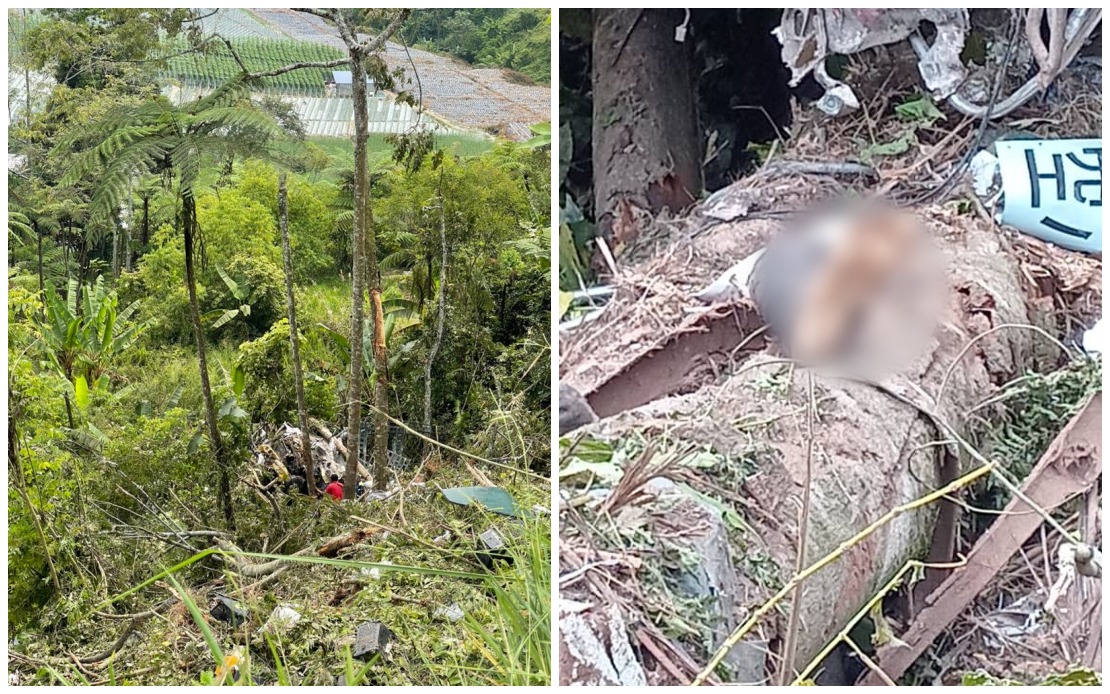
A tragic accident in the remote Gua Musang district claimed the life of a lorry driver when his 10-tonne vehicle careened into a ravine near the Pos Blau-Lojing Bridge, highlighting the ongoing dangers faced by heavy vehicle operators on Malaysia's challenging rural highways. The incident, which unfolded on a stretch of road almost 98 kilometres from the district headquarters, resulted in the death of a man in his 40s who became trapped beneath debris at the crash site.
Emergency services received notification of the disaster at 11.58 am, prompting an immediate response from the Gua Musang Fire and Rescue Station. However, the remote location of the accident meant that the firefighting team could not reach the scene until 1.59 pm—a critical delay of nearly two hours that underscores the infrastructure challenges in Malaysia's more isolated regions. The distance and terrain surrounding the Pos Blau-Lojing area present significant obstacles for emergency responders, a reality that often impacts rescue operations in the northern Kelantan corridor.
Upon arrival at the crash location, near an orchard adjacent to the bridge, firefighters discovered the 10-tonne lorry had descended approximately 150 feet into the ravine. Gua Musang Fire and Rescue Station chief Asst Senior Fire Supt Muhammad Azrul Izzham Zulkifli confirmed that preliminary investigations indicated the driver had been pinned beneath a tree—a secondary hazard that complicated rescue efforts. The combination of the vehicle's weight, the depth of the ravine, and the tree that had entrapped the victim created a complex extraction scenario that demanded careful and methodical work.
The rescue team faced significant technical challenges in retrieving the victim. Firefighters had to carefully remove the tree trunk that was pinning the man in order to access his body and extract him from the wreckage. The intricate nature of this operation, combined with the hazardous terrain and depth of the ravine, consumed considerable time and resources. Unfortunately, despite the efforts of emergency personnel, the driver was pronounced dead at the scene, with injuries sustained in the initial plunge proving fatal.
Following standard procedures, the deceased's body was transferred to police custody for further investigation and identification processes. Gua Musang district police chief Supt Sik Choon Foo acknowledged the incident when contacted by media and confirmed that law enforcement officials had begun their investigation into the circumstances surrounding the crash. At this stage, authorities have not disclosed the identity of the victim or released preliminary conclusions regarding causation.
The investigation into what caused the lorry to leave the roadway and descend into the ravine remains ongoing. Police are examining multiple factors that could have contributed to the accident, including vehicle mechanical failure, driver fatigue, adverse weather conditions, or road surface issues. The Pos Blau-Lojing area is known for its winding terrain and challenging driving conditions, particularly during monsoon seasons when road surfaces can become compromised and visibility reduced.
This fatality represents another addition to Malaysia's road safety statistics, a persistent public health concern that demands continued attention from highway authorities. Heavy vehicle accidents, particularly those involving lorries operating on secondary and tertiary routes in rural regions, often result in severe outcomes due to the forces involved and the difficulty of reaching crash sites promptly. The two-hour delay in this case illustrates how geographic isolation can amplify tragedy in remote areas.
The incident raises questions about road safety infrastructure in the Gua Musang district and surrounding regions. While major highways receive regular maintenance and monitoring, secondary routes used by commercial vehicles often lack adequate safety features such as barrier systems, regular inspections, and warning signage for hazardous sections. Investment in infrastructure improvements along economically important transport corridors could potentially mitigate future accidents and reduce response times for emergency services.
For the transport industry and logistics operators in Malaysia, this accident serves as a sobering reminder of the occupational hazards faced by professional drivers. Heavy vehicle operators working remote routes must balance commercial pressures with safety considerations, and many operate vehicles for extended periods without adequate rest, contributing to fatigue-related accidents. Industry bodies and government agencies continue to grapple with implementing and enforcing regulations that protect driver welfare while maintaining efficient goods movement across the country.
The Pos Blau-Lojing area, connecting communities across the Kelantan-Pahang border region, plays a vital role in the local economy by facilitating trade and transport. This accident will likely prompt renewed scrutiny of safety measures along the route and may accelerate discussions about infrastructure enhancements. Local authorities and the police will be expected to provide recommendations following their investigation to prevent similar incidents occurring on this challenging stretch of road.
As investigations continue, the loss of this driver underscores the human cost of Malaysia's rapid economic development and the reliance on road transportation across the nation. Families, employers, and communities dependent on these transport networks must confront the risks inherent in moving goods through terrain that can be unforgiving. Until comprehensive safety improvements are implemented across all road networks, particularly in rural areas, such tragedies will likely persist, making occupational safety for drivers an area requiring urgent and sustained policy attention.

