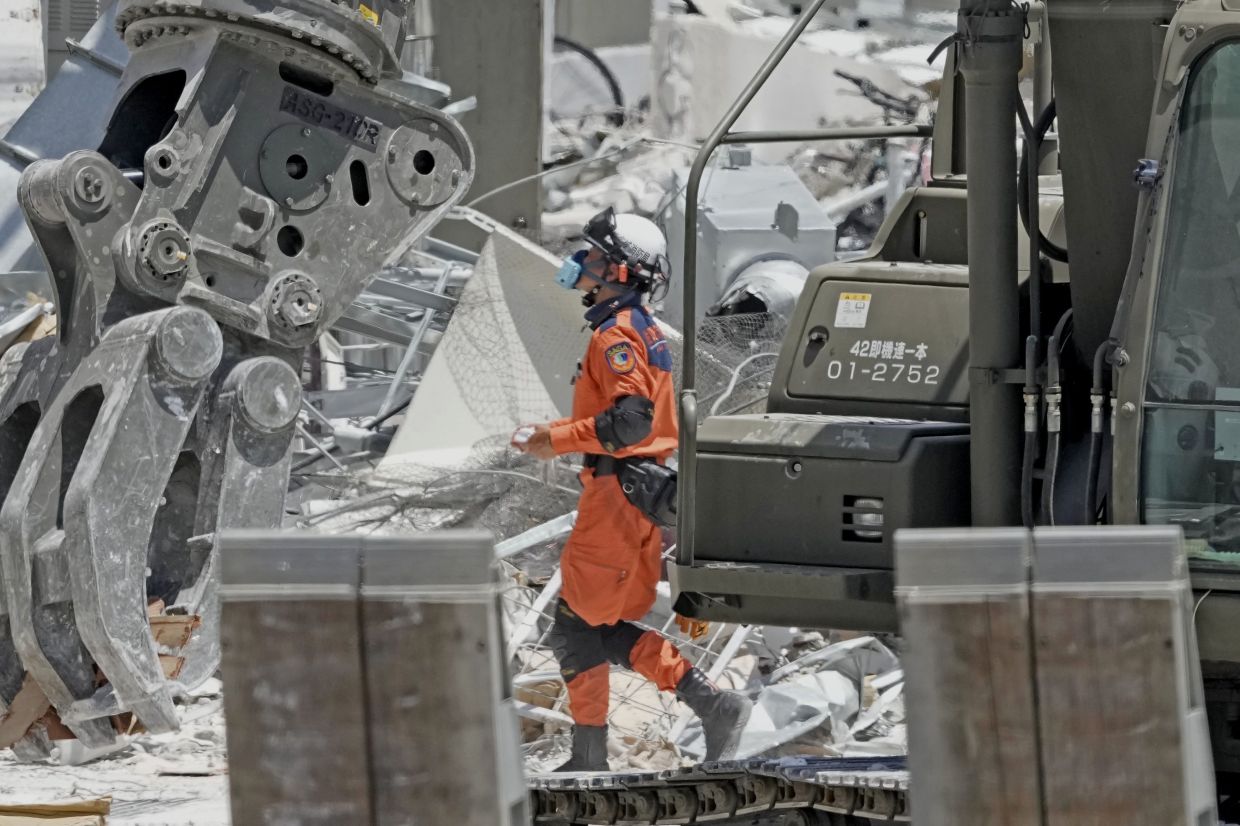
Japanese government authorities have concluded that a liquefied petroleum gas leak most likely triggered the devastating explosion at Aeon Mall Kumamoto on July 28, according to a statement from the Economy, Trade and Industry Ministry released on August 5. The blast, which struck approximately 80 minutes after a significant earthquake shook the region, claimed the lives of three employees working in stores within the mall and caused substantial structural damage to the central section of the building's second floor on its southern side.
The shopping complex, operated by Aeon, maintained an extensive network of liquefied petroleum gas infrastructure to support its commercial tenants. Restaurants positioned on the north side of the first floor and a food court located on the east side of the second floor both relied on LPG supplies for their cooking operations. Additionally, the facility utilised the gas for air conditioning systems throughout the building, demonstrating the widespread integration of LPG into the mall's operational systems.
The mall's LPG supply system was fed from a large storage tank containing 9,367 kilogrammes of liquefied petroleum gas situated on the premises. From this central reservoir, gas travelled through an underground pipeline into the building before branching into an extensive network of pipes that ran horizontally through the floors and vertically within the walls. This complex distribution infrastructure, while necessary to serve multiple cooking and climate control applications across the large commercial space, created numerous potential vulnerability points where leaks could develop.
The blast occurred at approximately 5.50 pm local time, roughly eighty minutes after the initial seismic event. During subsequent investigations conducted by Kumamoto prefectural police and fire authorities, officers reported detecting the distinctive odour of gas inside the building, providing initial circumstantial evidence pointing towards an LPG leak. However, officials emphasised that the precise origin and mechanism of the leak remain under active investigation, with the focus on determining how the rupture occurred and why immediate detection systems failed to prevent the dangerous accumulation.
A critical finding from preliminary enquiries suggests that the storage tank itself retained gas at levels considered normal for the facility's operational capacity. This discovery shifted investigative attention away from a catastrophic tank failure and towards the piping infrastructure and connections that distributed the gas throughout the building. Experts now theorise that residual liquefied petroleum gas remaining within the extensive pipe network—rather than a major breach in the primary storage system—gradually escaped and accumulated in enclosed spaces within the mall's structure.
The timing of the explosion relative to the earthquake introduces a significant analytical element to understanding how the disaster unfolded. The seismic activity may have damaged pipe connections, joints, or sealed sections within the network, compromising their structural integrity and allowing pressurised gas to escape. Over the subsequent hour and twenty minutes, the escaped gas dispersed through the building's interior, potentially settling in areas with poor ventilation. When the accumulated gas reached a critical concentration and encountered an ignition source—whether from electrical equipment, friction, or another origin—the resulting explosion was catastrophic.
For Malaysia and other Southeast Asian nations with comparable commercial infrastructure and climate conditions, this incident carries important safety implications. Many modern shopping complexes across the region similarly rely on centralised LPG systems to service multiple food courts and restaurant operations. The Kumamoto case demonstrates how even in a well-developed economy like Japan, with stringent building codes and safety regulations, the combination of seismic activity and gas infrastructure can create unexpected hazards. Regular inspection protocols for LPG piping, particularly following earthquakes or other structural stresses, emerge as essential maintenance requirements.
The incident also underscores vulnerabilities in detection and response systems during natural disasters. Earthquakes may simultaneously damage gas infrastructure and disrupt monitoring or alarm systems, creating a dangerous window during which leaks go undetected. For Malaysian building owners and operators, particularly those in seismically active regions or managing large facilities with complex utility networks, the Kumamoto explosion serves as a cautionary example of the need for redundant safety mechanisms and rapid response protocols following seismic events.
The Kumamoto Prefecture authorities are continuing their detailed investigation into the incident, with particular focus on examining the condition of the piping network and identifying the exact location and cause of the leak. This forensic work may yield findings applicable to safety standards across the region. The ministry's involvement in the investigation and its relatively rapid identification of LPG as the probable cause reflects Japan's systematic approach to industrial accidents, but also raises questions about whether such accidents are preventable through enhanced regulation or engineering solutions that other nations might adopt.

