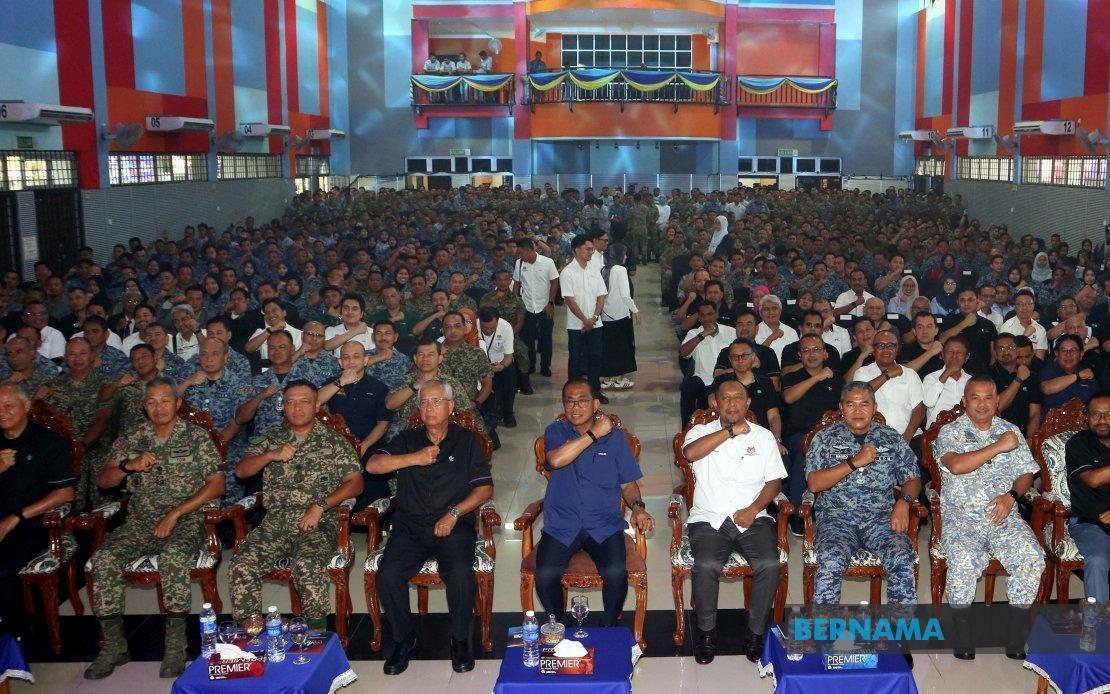
The Armed Forces Fund Board (LTAT) has completed a significant outreach milestone, connecting directly with 28,500 Malaysian Armed Forces personnel across East Coast installations as part of its 'Jelajah Wira' nationwide engagement initiative. The tour represents a strategic effort to deepen ties between fund management and the military contributors who form the backbone of the organisation's membership base.
Mohammad Ashraf Md Radzi, Chief Executive of LTAT, characterised the tour as a forward-thinking initiative designed to create meaningful interaction between senior management and armed forces members across all ranks. Recognising that contributors surrender 10 per cent of their monthly income to the fund, the LTAT leadership determined that direct engagement with personnel in their operational environments would strengthen institutional trust and understanding. The phased approach to national coverage allows the organisation to tailor its messaging and services to the specific needs of different military communities, from air force bases to naval vessels and ground force installations.
A centrepiece of the East Coast portion of the tour was the launch of the LTAT-Affin Debit Card, a symbolic gesture acknowledging the sacrifices and commitment demonstrated by Malaysia's military personnel. The card serves a dual purpose: it represents formal recognition of the armed forces' unwavering dedication to national security and provides practical financial utility for service members managing their accumulated savings and dividends. By partnering with Affin Bank to deliver this branded financial product, LTAT elevated the visibility of its offerings while providing members with a tangible reminder of the organisation's appreciation for their service.
The tour's implementation across multiple key military installations reflects LTAT's comprehensive approach to member engagement. The roadshow included stops at Kem Desa Pahlawan in Kelantan, Kuantan Air Force Base, Kem Seri Pantai housing the 16th Royal Malay Regiment in Terengganu, Kem Sungai Udang in Melaka, KD Sultan Ismail in Johor, and Kem Mahkota Kluang also in Johor. This geographic spread ensured that personnel stationed across the East Coast and southern regions had access to LTAT representatives without requiring travel to distant head offices.
Beyond transactional engagement, LTAT positioned the initiative within a broader welfare ecosystem encompassing not just individual contributors but their families and surrounding communities. Mohammad Ashraf emphasised that the organisation recognises military service extends beyond individual personnel to affect entire family units and the wider military community. This holistic framing addresses a critical concern for service members: ensuring that their financial planning accounts for dependents and long-term family security, particularly given the unique occupational risks and retirement dynamics within the armed forces.
Young contributors interviewed during the tour demonstrated strong confidence in LTAT's investment performance and savings mechanisms. Airman I Muhammad Syahmi Mohd Shobri, at 23 years old, highlighted the competitive annual dividends offered through LTAT compared to alternative savings schemes available to military personnel. His assessment reflects a growing awareness among younger service members that their retirement security depends substantially on the performance of institutional savings vehicles like LTAT. The emphasis on dividends increasing year-on-year suggests that the fund has successfully communicated its investment returns to members, creating confidence in the long-term value proposition.
For mid-career personnel, the retirement dimension of LTAT's offerings carries particular weight. Airman I Muhammad Izzuddin Mohd Hanapi, aged 25, articulated how LTAT benefits compound over a military career, with accumulated contributions supplemented by annual dividends that provide meaningful financial security upon transition to civilian life. This messaging addresses a critical vulnerability for military retirees in Malaysia: the gap between military pension entitlements and the financial requirements of post-service life. By positioning LTAT as a complementary retirement vehicle, the fund helps service members plan holistically for their transition from military employment.
The inclusion of promotional activities such as the lucky draw, which distributed an electric motorcycle to Royal Malaysian Air Force Air Sergeant Haidil Jafar, demonstrates LTAT's strategy to combine serious financial engagement with accessible, engaging events that appeal to diverse ranks and demographics. Such incentives lower barriers to participation in fund presentations and create positive associations with LTAT brand messaging. The presence of senior leadership, including Defence Ministry Secretary-General Datuk Lokman Hakim Ali and LTAT Chairman General Tan Sri Azizan Ariffin, underscored the institutional importance attached to these engagement efforts.
For Malaysian observers and regional defence analysts, LTAT's Jelajah Wira tour reflects broader trends in military institutional management across Southeast Asia. As armed forces modernise and attract increasingly sophisticated personnel, retention and welfare initiatives become critical to maintaining force effectiveness. By demonstrating concrete commitment to service member financial security, LTAT addresses one of the primary concerns motivating personnel to remain in military service rather than transition to civilian employment. This has direct implications for force stability and operational capability.
The East Coast phase of the tour also underscores LTAT's recognition of regional equity in service delivery. Historically, military personnel stationed in less-developed regions have faced barriers accessing centralised financial services and institutional information. By bringing LTAT representatives directly to bases in Kelantan, Terengganu, and Johor, the organisation ensures that geographic location does not disadvantage service members in accessing information about their entitlements and investment options. This distributed approach to engagement reflects administrative best practices increasingly adopted by government institutions managing geographically dispersed workforces.
Moving forward, the Jelajah Wira initiative establishes a framework for continuous institutional engagement that LTAT plans to extend nationwide in subsequent phases. The success in reaching 28,500 personnel across the East Coast provides a template for similar outreach in other military commands and installations. As Malaysia's armed forces continue to modernise and evolve, institutional mechanisms like LTAT that enhance member welfare and provide transparent communication about financial benefits become increasingly important to military morale and operational cohesion. The tour represents not merely a public relations exercise but a substantive investment in strengthening the relationship between the armed forces and the financial institutions entrusted with their retirement security.

