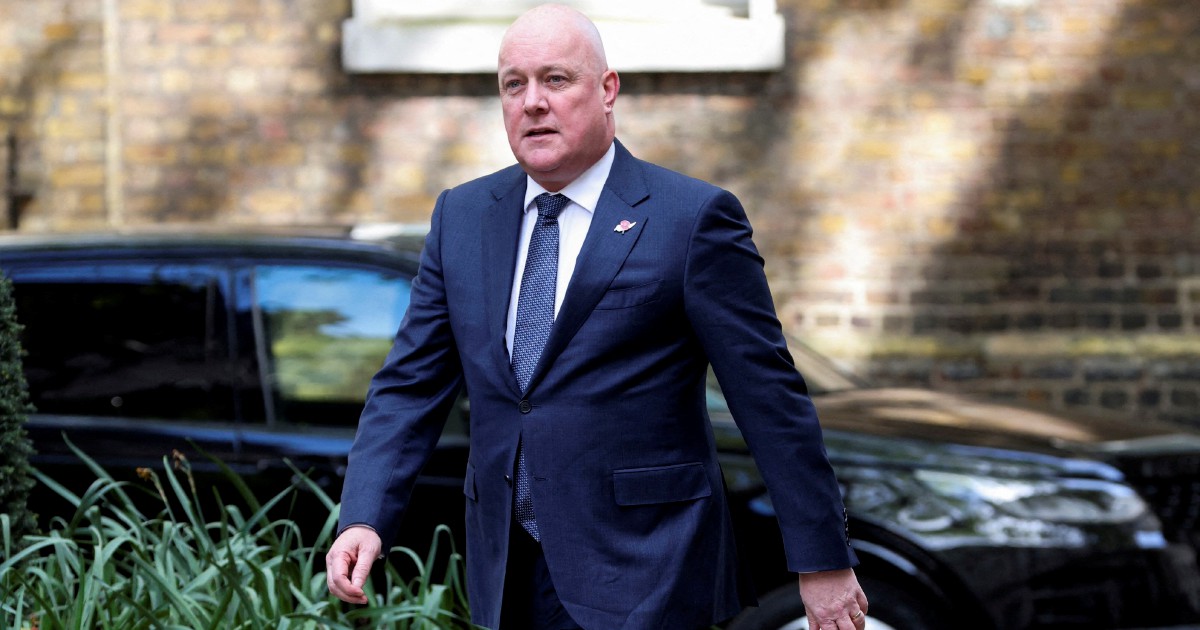
New Zealand Prime Minister Christopher Luxon has emerged from an internal party contest with his position intact, securing explicit backing from the ruling National Party as the country moves into its final campaign phase ahead of a general election scheduled within three months.
The timing of the leadership challenge reflects broader tensions within the National Party ranks during what should be its strongest period before voters head to the polls. Luxon's ability to defeat the challenge decisively demonstrates that despite reported doubts from some party figures about his leadership direction, he retains sufficient parliamentary support to remain at the helm through the election campaign.
Luxon's claim of "full support" following the vote suggests a unified front heading into the election period, though such assertions often mask lingering factionalism within political parties. The fact that a challenge was mounted at all—rather than being resolved through quiet negotiation or pre-empted entirely—indicates the National Party has grappled with meaningful internal disagreement during its time in government.
For regional observers in Southeast Asia and the broader Indo-Pacific, New Zealand's leadership stability holds symbolic importance. As a key member of the Five Eyes intelligence alliance and AUKUS security partnership, the country's political steadiness influences regional security calculus and cooperation frameworks that extend to Malaysia and other neighbouring nations.
The challenge also reflects the pressures facing centre-right governments across the developed democracies. Luxon inherited office from Jacinda Ardern's Labour government and has pursued policies distinct from his predecessor, including efforts to reshape welfare and social programmes. These changes have generated both support and resistance within his own coalition, creating the internal dynamics that apparently triggered the challenge.
Timing matters significantly in New Zealand politics. With less than three months until voters cast their ballots, the challenge posed a risk to the National Party's electoral prospects. A protracted or bitter leadership contest could have fractured the party's unity and provided ammunition to opposition parties seeking to capitalise on any perceived weakness or distraction within the government.
The outcome positions Luxon to lead his party into the campaign with the appearance of party cohesion, though whether the underlying tensions that triggered the challenge have genuinely been resolved remains an open question. Party members who backed the challenge—whether they voted for an alternative candidate or abstained—may harbour reservations about his direction that persist despite the formal vote outcome.
For New Zealand's political system, leadership challenges between elections remain relatively uncommon compared to Westminster parliaments in Australia or Britain. The fact that one was mounted so close to a general election speaks to the intensity of internal disagreement, suggesting governance challenges have created genuine pressure within government ranks.
The National Party's coalition arrangements also factor into the leadership equation. Luxon's government depends on support from smaller parties to maintain its parliamentary majority, and coalition partners would have views on leadership stability. A rapid change at the prime ministerial level close to an election could have destabilised these relationships and complicated campaign messaging.
International observers will watch how Luxon's government performs in the final campaign period. His handling of the economic situation, public services, and security concerns will matter more than the internal party dynamics that triggered this challenge. However, the fact that such challenges even emerge reflects the fluid nature of voter preferences and party confidence levels in the lead-up to an election.
The challenge also underscores how quickly political fortunes can shift in modern democracies. Luxon's government entered office with considerable backing from voters weary of previous administration approaches, yet internal party doubts have surfaced within two years. This cycle of initial confidence followed by internal questioning appears increasingly common as governing parties navigate the intersection of campaign promises, fiscal realities, and coalition management.
Moving forward, Luxon will need to consolidate his position among both National Party MPs and the broader voter base. The challenge vote provides short-term relief but does not guarantee election victory or long-term party stability. His leadership qualities and policy delivery in the remaining campaign period will ultimately determine whether he transforms the challenge into a stepping stone or encounters further questions about his political durability.

