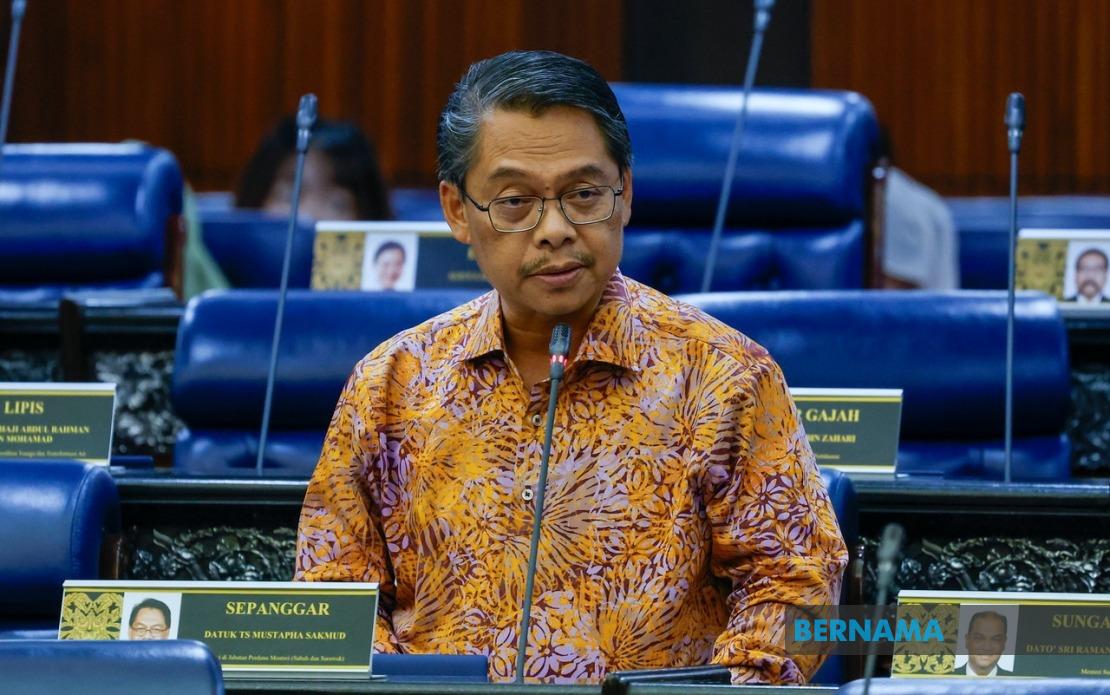
Malaysia's protracted efforts to implement the Malaysia Agreement 1963 have moved forward incrementally, with Datuk Mustapha Sakmud, the Minister in the Prime Minister's Department handling Sabah and Sarawak Affairs, revealing that roughly half of the outstanding negotiation items have now reached some form of resolution. Speaking during parliamentary proceedings on June 25, Mustapha disclosed that 13 of the 29 contentious matters addressed through the official MA63 negotiating framework have been conclusively settled, representing a measured pace of progress on an agreement that has long remained a focal point of political discourse in East Malaysia.
The resolution of these 13 issues marks a tangible, if incremental, step forward in addressing longstanding grievances between the federal government and the two east Malaysian states. However, the broader landscape of unresolved concerns underscores the complexity of renegotiating terms originally set nearly six decades ago. The minister indicated that the March 2 meeting of the MA63 Technical Committee established the framework through which five additional matters achieved what was characterised as partial or interim resolution—a category suggesting that while progress has been documented, full settlement remains pending pending further deliberation or action.
Among the interim matters receiving preliminary resolution are four issues centred on the enlargement of state-level public service positions under Article 112 of the Federal Constitution. This particular concern has been a consistent priority for both Sabah and Sarawak, as state leaders have sought greater autonomy in civil service recruitment and advancement. Simultaneously, the interim category encompasses three other significant policy domains: health services, education provision, and the broader programme of Borneonisation within the federal public service apparatus in Sabah and Sarawak. The Borneonisation initiative, in particular, represents an effort to increase representation of East Malaysian personnel within federal agencies operating in their respective territories, a sentiment rooted in historical concerns about centralised control from Kuala Lumpur.
The remaining 11 outstanding matters continue to occupy the attention of the Sabah and Sarawak Affairs Division, which serves as the formal secretariat for these negotiations. These unresolved issues are being actively monitored through coordinated engagement with stakeholders across both state governments and federal agencies, a process that Mustapha characterised as ongoing and comprehensive. The slow pace of resolution for some matters reflects not merely bureaucratic inertia but rather the substantive disagreements that persist on questions touching core constitutional arrangements and resource allocation.
Perhaps most prominently among these unresolved matters sits the perennial demand from Sabah and Sarawak for an expansion of parliamentary representation. Both states have consistently sought to increase their seat allocation in the Dewan Rakyat to achieve a target representing 35 per cent of total parliamentary composition—a shift that would proportionately elevate their legislative influence within the federal system. This demand resonates strongly across East Malaysia, where political leaders argue that current representation does not adequately reflect the constitutional bargain struck in 1963 or the demographic and geographic scale of the two states.
Mustrapha's explanation of the parliamentary seats stalemate reveals the structural barriers preventing movement on this front. According to the minister, any reconfiguration of electoral boundaries and seat distribution falls exclusively within the constitutional remit of the Election Commission, which operates under the constraints of the 13th Schedule and Article 113 of the Federal Constitution. Critically, an eight-year cycle must elapse before the Election Commission is permitted to undertake such a redelineation exercise—a safeguard built into electoral law to provide stability and predictability to constituency arrangements.
Beyond the procedural requirement governed by electoral cycles, Mustapha emphasised that any constitutional modification to the composition of the Dewan Rakyat necessitates amendments to Article 46 of the Federal Constitution. Such amendments demand the endorsement of a two-thirds supermajority within parliament itself, a threshold that introduces a substantial political hurdle. This requirement means that expanding East Malaysian parliamentary representation would require not merely executive initiative or technical electoral commission action, but rather broad legislative consensus across the house—a condition that has proven difficult to achieve given the federal system's political complexities and the competing priorities of peninsular Malaysia's parliamentary representatives.
For Malaysian observers and particularly for those in Sabah and Sarawak, this situation encapsulates a broader tension within Malaysia's federal architecture. The MA63 negotiations ostensibly provide a formal platform for addressing grievances and renegotiating terms of the original agreement. Yet the substantive outcomes remain constrained by constitutional structures that themselves were designed to protect specific arrangements and reflect particular distributions of power. Progress on matters involving state civil service expansion and sectoral coordination in health and education, while valuable, falls short of addressing the more fundamental questions of political representation and resource distribution that animated the original Malaysia Agreement.
The interim status assigned to several issues suggests recognition that complete resolution may require additional time, further consultation, or possibly even broader political compromise beyond the technical committee framework. For Sabah and Sarawak, the question becomes whether the current pace of resolution and the types of issues being addressed meaningfully advance their agenda or whether the process itself, while appearing productive, amounts to largely symbolic progress on peripheral matters while fundamental questions remain deferred.
The road ahead appears to hinge on whether political leadership in both federal and state governments can generate the consensus necessary to modify Article 46 and expand East Malaysian parliamentary representation, or whether the focus will remain confined to the administrative and sectoral matters that, though important, do not address the core constitutional questions raised in MA63 discussions. The revelation of progress on 13 matters, while noteworthy, thus functions simultaneously as evidence of deliberation and demonstration of how many substantial issues remain unresolved after years of formal negotiation.

