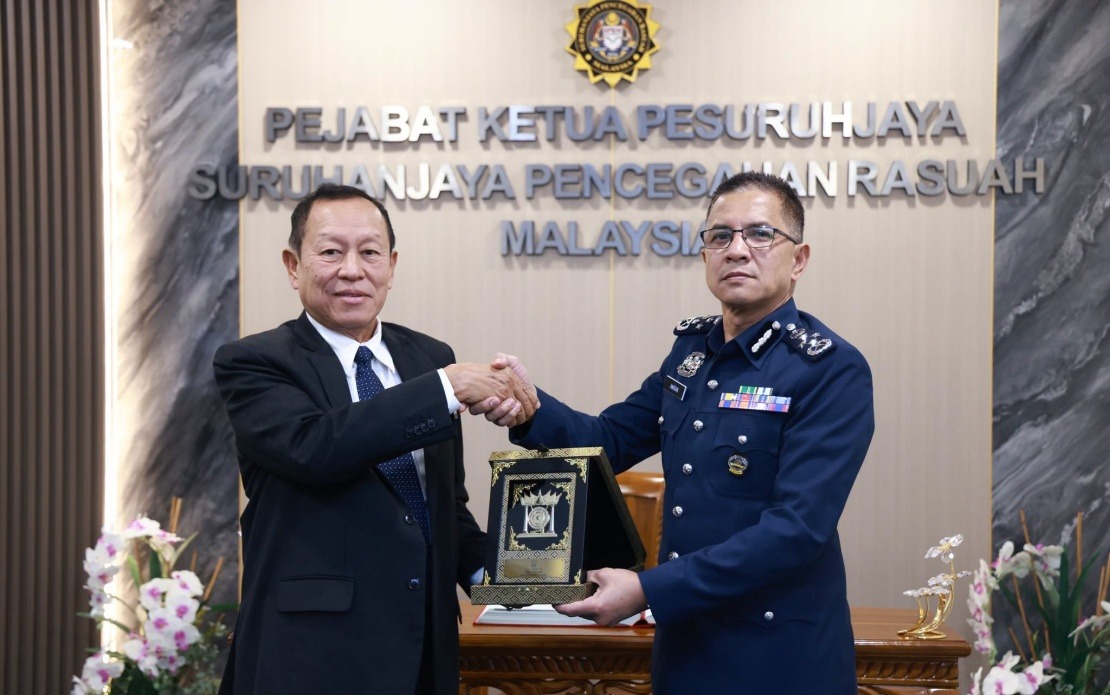
The Malaysian Anti-Corruption Commission (MACC) and the Royal Malaysian Customs Department (JKDM) are moving ahead with plans to establish a specialised task force designed to strengthen enforcement operations and tax collection oversight at the country's major port facilities. The proposal emerged from a strategic meeting at MACC headquarters in Putrajaya on July 15, where the two agencies discussed collaborative mechanisms to tackle systemic vulnerabilities in maritime trade monitoring and revenue protection. MACC chief commissioner Datuk Seri Abd Halim Aman characterised the session as an opportunity to align enforcement priorities and address operational gaps that have historically allowed illicit activities to flourish at border checkpoints.
The proposed task force reflects growing concern within government circles about the scale of revenue leakage occurring through Malaysia's port infrastructure. During their one-hour engagement, both organisations explored the technical and administrative obstacles impeding efficient customs inspection and clearance procedures. The discussion centred on identifying bottlenecks in container management systems and the bureaucratic friction points that sophisticated criminal networks routinely exploit. By pooling investigative resources and intelligence-sharing capabilities, the two agencies aim to create a more integrated framework for detecting and preventing customs violations before contraband enters the domestic supply chain or legitimate cargo exits without proper duty settlement.
JKDM director-general Datuk Amran Ahmad outlined the sophisticated methods increasingly deployed by organised smuggling syndicates to circumvent tax obligations. One particularly prevalent scheme involves the deliberate misrepresentation of cash amounts crossing Malaysian borders, with smugglers declaring substantially lower values than the actual currency being transported. This technique undermines both tax collection and the government's ability to monitor illicit financial flows linked to organised crime and money laundering networks. Beyond cash smuggling, Amran highlighted the concerning frequency of document falsification cases, where importers and exporters submit fraudulent paperwork to secure approvals that facilitate the movement of untaxed or misdeclared goods through port terminals.
The syndicates operating within Malaysia's maritime trade ecosystem have become increasingly sophisticated in their operational tradecraft. Smuggling operations now routinely employ multiple layers of deception, combining false documentation with misclassified cargo descriptions and deliberate container management failures. These tactics extract hundreds of millions of ringgit annually from the national treasury while simultaneously undercutting legitimate businesses that comply with duties and regulations. The problem has intensified as criminal groups adapt their methods to exploit gaps between JKDM's inspection capacity and the volume of cargo flowing through Malaysian ports. Port facilities in Klang, Port Dickson, and other strategic nodes have become focal points for these activities, prompting the MACC-JKDM initiative.
For Malaysian business and consumer interests, the consequences of unchecked smuggling and tax evasion extend beyond lost government revenue. When contraband goods enter the market, they distort competitive conditions and damage legitimate trading enterprises forced to compete against undutiable imports. Consumers may face inferior product quality and safety risks when smuggled items bypass customs health and safety inspections. The drain on national finances also reduces resources available for infrastructure development, public services, and social programmes. Regionally, Malaysia's vulnerability to smuggling networks creates spillover effects affecting neighbouring countries, as criminal syndicates use Malaysian ports as transit points for broader Southeast Asian contraband operations.
The MACC's involvement introduces an anti-corruption dimension critical to addressing systemic vulnerabilities within customs operations themselves. Smugglers frequently succeed by corrupting port officials, customs inspectors, and documentation processors who deliberately overlook violations in exchange for bribes. By embedding MACC investigators within the proposed task force, the joint initiative aims to simultaneously crack down on external smuggling networks and internal corruption that enables them. This dual approach recognises that maritime smuggling often represents a collaborative enterprise involving both criminal outsiders and compromised government personnel operating within port facilities.
Amran expressed JKDM's receptiveness to MACC's broader integrity-building agenda, including anti-corruption awareness programmes targeting customs personnel. Such training initiatives address the vulnerability to corruption that exists across enforcement agencies, particularly in environments where financial incentives for rule-breaking are substantial. By cultivating institutional cultures that emphasise ethical conduct and professional accountability, the agencies hope to reduce the human factor exploitation that criminal networks currently weaponise. The presence of MACC Investigation Division senior director Datuk Mohd Hafaz Nazar and JKDM Integrity branch head Azian Umar at the meeting underscored the seriousness both organisations attach to this collaboration.
The task force structure will likely incorporate intelligence-sharing protocols allowing customs and anti-corruption investigators to cross-reference suspicious cargo movements with corruption indicators. Pattern recognition across both datasets should improve detection accuracy, as smuggling operations often correlate with specific patterns of official behaviour and approval-granting sequences. By analysing these correlations, investigators can identify ports, terminals, or officials where violations cluster, enabling more targeted intervention. The approach represents an evolution beyond traditional enforcement models that treated customs violations and official corruption as separate problems requiring separate solutions.
Implementation challenges will inevitably emerge, particularly regarding resource allocation and jurisdictional clarity between the two organisations. JKDM operates under the Ministry of Finance and focuses on revenue protection, while MACC operates as an independent constitutional body with broader corruption mandates. Harmonising their operational procedures, data-sharing agreements, and investigative protocols requires careful institutional design to avoid duplicative efforts or jurisdictional conflicts. The task force's effectiveness will ultimately depend on whether senior leadership sustains political backing through resource commitments and whether field personnel embrace collaborative approaches rather than maintaining organisational silos.
The initiative also carries implications for Malaysia's standing within international trade communities. Persistent smuggling and customs corruption damage the country's reputation as a reliable trading partner and can influence international ratings affecting investment flows and trade relationships. By demonstrating commitment to border integrity and customs reform, Malaysia signals to trading partners and international bodies that it takes revenue protection and anti-corruption seriously. This matters particularly for ASEAN regional integration efforts, where customs cooperation and trusted border operations facilitate legitimate trade flows while excluding contraband.
Longer-term success requires the task force to move beyond addressing immediate symptom manifestations and tackle underlying structural vulnerabilities in port operations. This includes modernising container tracking systems, implementing advanced screening technologies, and establishing performance metrics that incentivise customs personnel to maintain integrity. The private sector, particularly shipping lines and legitimate importers, may need to contribute to funding enhanced security infrastructure. Regional cooperation with customs agencies in Singapore, Thailand, and Indonesia could amplify enforcement effectiveness by targeting smuggling networks operating across multiple jurisdictions.

