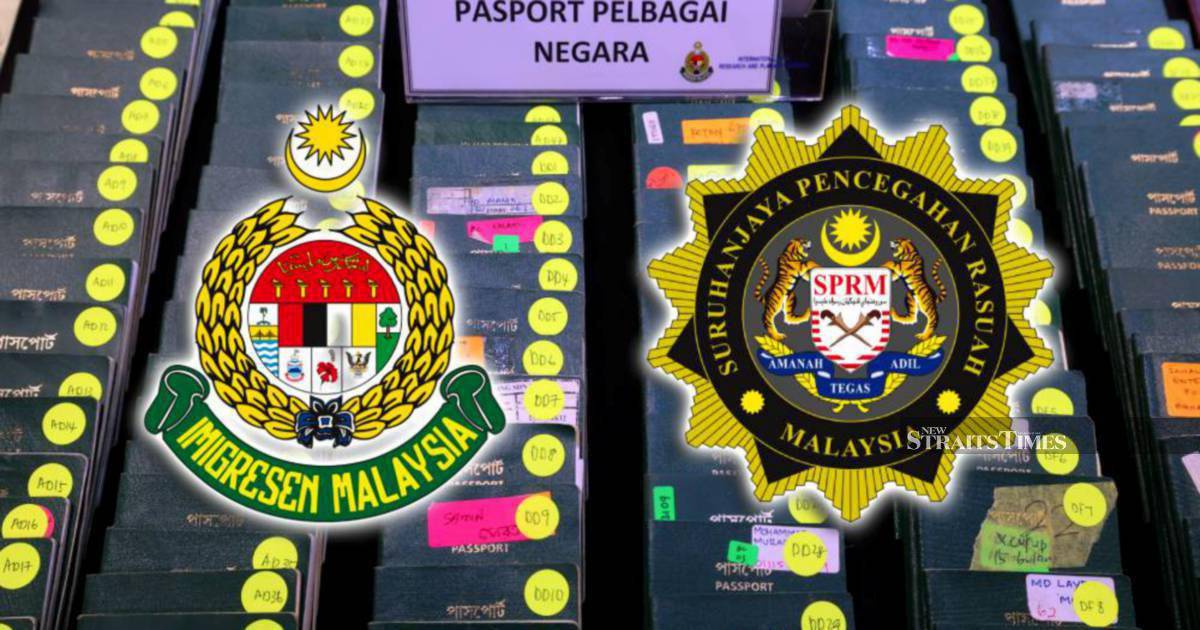
A coordinated crackdown by the Malaysian Anti-Corruption Commission and the Immigration Department has successfully broken up an organised crime network that gained unauthorised access to the country's central immigration platform. The syndicate's primary operation involved infiltrating the MyIMMs system—the backbone of Malaysia's immigration processing infrastructure—to generate and approve bogus Temporary Employment Visit Passes without proper authorisation or legitimate verification procedures.
The exposure of this breach represents a significant security vulnerability in one of the nation's most critical administrative systems. The MyIMMs platform handles the processing and issuance of temporary work permits for foreign nationals across Malaysia, making it essential infrastructure for managing labour migration and maintaining border integrity. The fact that criminals successfully exploited this system underscores the sophisticated nature of modern identity fraud and the sophisticated capabilities required to defend government digital infrastructure against determined attackers.
The fraudulent work passes issued through this scheme posed multiple threats to Malaysia's economic and security landscape. Bogus employment permits allowed foreign nationals to work without proper vetting, background checks, or compliance with labour regulations. This created substantial risks including the potential employment of individuals with criminal histories, undocumented workers circumventing tax obligations, and the facilitation of human trafficking networks that often exploit the gaps between legitimate and underground labour markets.
The dismantling of this operation follows what appears to have been an extended investigation into the breach. The coordination between the MACC and the Immigration Department demonstrates the importance of cross-agency collaboration in tackling sophisticated cybercrime and institutional fraud. Immigration authorities bring expertise in detecting anomalous permit issuances and patterns inconsistent with legitimate processing, while the MACC contributes investigative resources and prosecutorial authority focused on combating corruption and organised criminality.
For Malaysian employers and workers, the syndicate's activities created a distorted labour market. Legitimate foreign workers obtained through proper channels now competed with undocumented individuals procured through fraudulent permits, potentially depressing wages and working conditions across affected sectors. Industries reliant on foreign labour—particularly construction, manufacturing, hospitality, and domestic work—would have been particularly vulnerable to infiltration by workers operating outside regulatory oversight.
The breach also carries significant implications for Malaysia's international reputation regarding immigration integrity. Trading partners and source countries for migrant workers monitor the security of visa and work permit systems as indicators of professional standards and reliability. A major hack undermining the MyIMMs system could influence how other nations view Malaysia's administrative capabilities and governance standards, potentially affecting bilateral labour agreements and foreign investor confidence.
Investigators likely uncovered the scheme through multiple investigative pathways. Suspicious patterns in work permit approvals—such as multiple permits issued with inconsistent information, approvals for non-existent employers, or permits granted to individuals already flagged by law enforcement—would have generated intelligence alerts. Whistleblowers within immigration offices may also have reported irregularities, while the MACC's existing corruption monitoring activities could have intersected with immigration-related investigations.
The technical sophistication required to compromise MyIMMs suggests the syndicate may have included individuals with deep knowledge of government systems, possibly former IT personnel or contractors with institutional access. This dimension adds complexity to the investigation, as prosecutors must establish not only the fraudulent permit issuances but also the unauthorised system access itself, potentially involving charges related to cybercrime legislation alongside immigration fraud offences.
The operation's dismantling raises important questions about system security improvements and preventive measures. The Immigration Department will likely implement enhanced access controls, improved audit logging, anomaly detection systems, and multi-factor authentication to prevent similar breaches. Regular security audits and penetration testing may also become standard practice to identify vulnerabilities before criminals can exploit them.
For foreign nationals currently working in Malaysia, this development creates both challenges and opportunities. Individuals discovered to be holding fraudulent permits face deportation and potential bans from re-entry, creating hardship for families and disrupting employers' operations. However, the operation also signals to legitimate migrant workers that authorities are actively monitoring the system, potentially reducing competition from undocumented workers and strengthening the incentives for operating within legal frameworks.
The case reflects broader vulnerabilities in government digital infrastructure across Southeast Asia. As more administrative processes migrate to online platforms, cybersecurity becomes integral to effective governance. Malaysia's experience offers important lessons for other regional nations managing labour migration systems, particularly regarding the importance of robust system security, regular audits, and inter-agency coordination in combating organised immigration fraud.
Moving forward, maintaining the integrity of the MyIMMs system will require sustained investment in cybersecurity infrastructure, staff training, and proactive threat monitoring. The visible success of this joint operation may deter similar attempts and serve as a warning to potential fraudsters about the risks of targeting government immigration systems.

