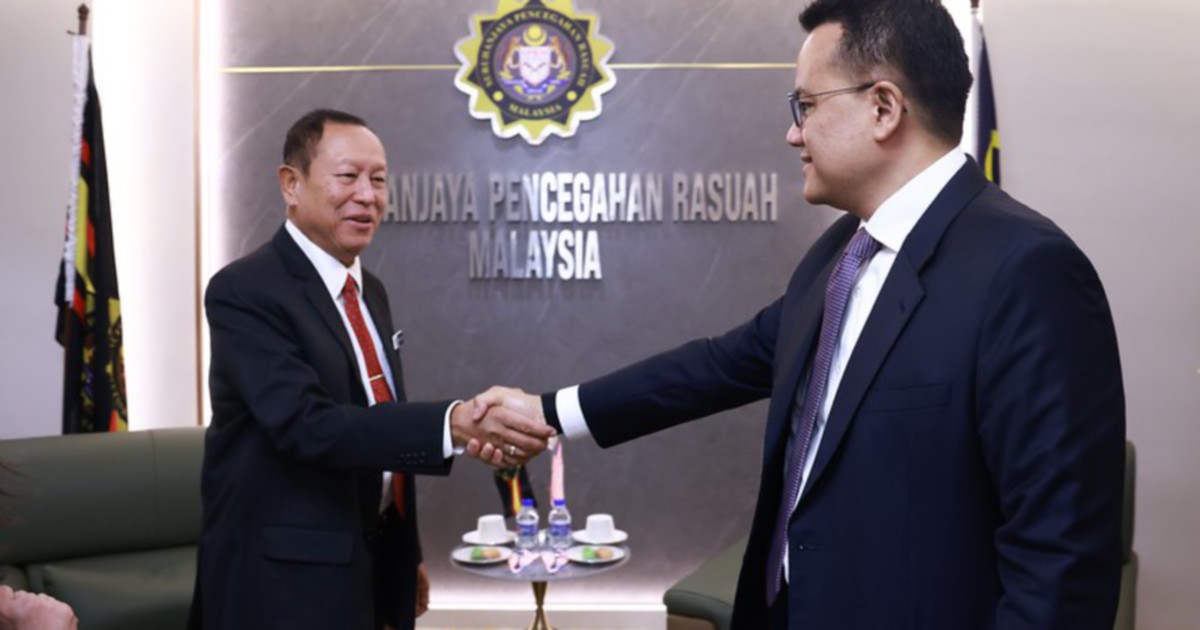
The Malaysian Anti-Corruption Commission and Permodalan Nasional Berhad have formalized a strengthened strategic partnership aimed at elevating governance standards and ensuring robust oversight of the nation's investment operations. The collaboration, announced in Putrajaya, underscores the growing recognition among Malaysia's institutional stewards that corruption prevention and transparent fund management are inextricably linked to maintaining public confidence in how national wealth is deployed and safeguarded.
This institutional alignment carries particular significance given PNB's pivotal role as the custodian of Malaysia's consolidated investment portfolio. With billions of ringgit under management across diverse asset classes and geographical markets, the fund manager operates at the intersection of national economic interests and fiduciary responsibility. Any vulnerability in governance frameworks or internal controls could expose Malaysia to reputational damage internationally and undermine the retirement savings of millions of Malaysians who depend on PNB-managed funds for their financial security.
The partnership framework appears designed to establish systematic mechanisms for information sharing, joint training initiatives, and coordinated compliance monitoring. By embedding anti-corruption protocols directly into PNB's operational procedures, the two organizations aim to create multiple safeguards against misconduct that might otherwise evade detection in large, complex fund structures. The MACC's investigative expertise and institutional independence position it to serve as an external accountability anchor for one of Malaysia's largest asset managers.
For Malaysian investors and fund participants, the practical implications are noteworthy. Enhanced due diligence procedures mean that procurement decisions, vendor relationships, and asset allocation choices will face greater scrutiny than before. While additional compliance requirements might marginally increase administrative costs, the long-term benefit of reduced corruption risk and improved institutional credibility significantly outweighs such expenses. International institutional investors increasingly factor governance quality into their decisions about partnering with or investing through Malaysian fund managers, making this partnership a competitive advantage.
The timing of this formalization reflects Malaysia's broader policy shift toward institutional strengthening following a period of heightened corruption concerns. Recent years witnessed significant public discourse around governance failures in major national enterprises, intensifying expectations that leadership should demonstrate concrete commitment to reform. By publicly cementing ties with the anti-corruption commission, PNB signals to stakeholders that it welcomes external oversight and operates with nothing to hide, a posture that builds institutional legitimacy and shareholder confidence.
Regionally, Malaysia's emphasis on strengthening investment governance mechanisms commands attention across Southeast Asia. As neighboring countries develop their own sovereign wealth funds and national investment vehicles, Malaysia's institutional approach—combining professional fund management with independent anti-corruption oversight—offers a relevant model. Singapore's model of strict governance combined with transparency has long served as the regional benchmark; Malaysia's enhanced framework moves the nation closer to comparable standards of institutional maturity and accountability.
The collaboration also addresses specific vulnerabilities that large fund managers face. Connected-party transactions, conflicts of interest among board members or senior management, and pressure to deploy capital into politically favored projects rather than optimal investment opportunities represent persistent governance risks. By institutionalizing MACC engagement, PNB creates mechanisms to flag such tensions before they crystallize into corruption. Regular independent audits and investigative capacity strengthen the organization's ability to self-correct and prevent misconduct from becoming systemic.
For the MACC, the partnership expands its reach into an institution that previously might have operated with minimal anti-corruption input. Historically, corruption enforcement in Malaysia has focused on obvious criminal misconduct; modern corruption prevention emphasizes embedding ethical frameworks and governance disciplines into institutional culture. This approach requires sustained engagement rather than reactive investigation, precisely what a strategic partnership enables. The MACC gains insight into how Malaysia's largest asset manager conducts business while positioning itself as a trusted partner in governance modernization rather than merely a prosecutorial force.
The investment management sector globally faces mounting pressure to demonstrate integrity. Scandals involving mismanagement of sovereign wealth funds in other nations have prompted international scrutiny of fund governance structures worldwide. Malaysia's decision to proactively strengthen institutional controls around PNB's operations ahead of any scandal reflects organizational maturity and responsiveness to evolving international standards. This positioning matters for Malaysia's ability to attract foreign capital and sustain high-quality investment returns that ultimately benefit Malaysian retirees and pension fund beneficiaries.
Moving forward, the substantive success of this partnership will depend on implementation fidelity and willingness to address findings that emerge from enhanced scrutiny. If MACC investigations or compliance reviews identify problematic practices, PNB's demonstrated commitment to reform becomes meaningful only if the organization implements corrective measures transparently and comprehensively. Conversely, if the partnership becomes merely ceremonial with no tangible operational changes, public skepticism about institutional reform efforts will intensify across Malaysian governance structures.
The initiative also invites reflection on what genuine institutional partnership requires. Effective collaboration between a regulatory watchdog and a regulated entity demands clear boundaries, mutual respect, and shared commitment to integrity that transcends organizational convenience. When both organizations understand their roles as complementary rather than adversarial, stakeholders benefit from more robust governance architecture. For Malaysian investors monitoring how national wealth is managed, this partnership represents a constructive step toward institutional frameworks worthy of public confidence and international regard.

