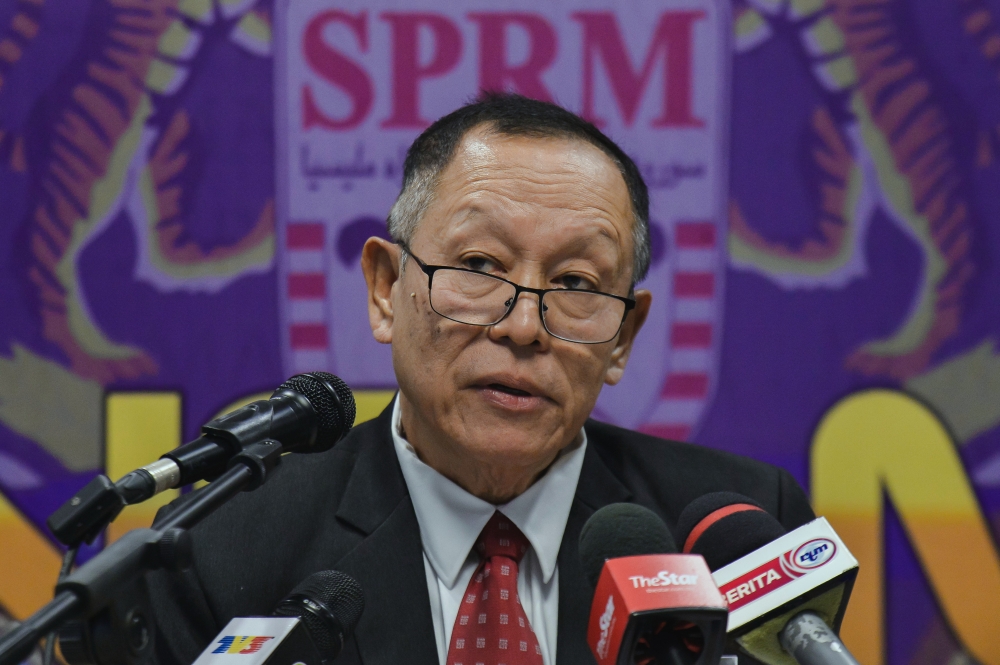
Malaysia's anti-corruption authority has moved swiftly to detain senior executives from a major corporation following allegations that they misused their positions in a high-value plantation acquisition worth RM370 million. The Malaysian Anti-Corruption Commission's action represents an escalation in scrutiny of how large corporate deals are structured and approved at the highest levels of Malaysian enterprises, particularly where state resources or significant capital flows are involved.
The arrests of the former chief executive officer and chief financial officer signal that investigators suspect the transaction may have breached governance standards and fiduciary duties. Such high-profile detentions typically precede more substantial inquiries into whether proper procedures were followed, whether approvals were obtained legitimately, and whether decision-makers stood to gain personal advantage from the arrangement. The plantation sector remains strategically important to Malaysia's agricultural economy and export earnings, making the integrity of major transactions in this space a matter of national concern.
Corporate governance failures in large acquisitions have historically created significant consequences for Malaysian businesses, damaging investor confidence and drawing international attention. When executives at the helm of substantial organisations face corruption allegations, it often triggers broader questions about oversight mechanisms within those entities and whether board-level safeguards functioned as intended. The scale of the RM370 million transaction suggests this was no minor arrangement but rather a substantial capital deployment that would have required multiple approval layers.
The plantation industry's importance to rural development, employment, and export revenue makes it essential that such transactions withstand scrutiny. Previous cases have demonstrated how conflicts of interest or improper approval processes in agricultural deals can disadvantage communities, distort market competition, and undermine public trust in corporate stewardship. Malaysia's commitment to strengthening anti-corruption enforcement has included increased focus on large commercial transactions where the potential for abuse of authority is greatest.
The detention phase allows investigators to gather statements and examine documentary evidence while the subjects are available for questioning. This approach has become standard practice when MACC pursues allegations involving senior management, as these individuals typically have resources and sophistication to obstruct investigations if not constrained. The timing and coordinated nature of arrests for both the CEO and CFO suggests investigators had prepared their case thoroughly before moving to detain the suspects.
For Malaysian stakeholders in the plantation sector, these developments underscore the tightening compliance environment that increasingly characterizes governance expectations. Companies engaged in significant acquisitions face mounting pressure to document decision-making processes, ensure transparent board deliberations, and maintain clear separation between corporate interests and personal benefits. Regulatory bodies across Southeast Asia are similarly intensifying oversight of large transactions, reflecting a regional trend toward strengthening corporate accountability.
The investigation's scope will likely extend beyond the two arrested executives to examine broader aspects of the transaction, including whether advisors, board members, or other parties failed in their oversight responsibilities. Documentation such as board minutes, valuation reports, legal opinions, and communications between decision-makers typically forms the evidentiary foundation for such investigations. Establishing clear intention to abuse power versus mere negligence or poor judgment will be critical to determining the seriousness of charges prosecutors ultimately bring.
International observers have noted that Malaysia's anti-corruption efforts, while still facing challenges, have demonstrated capacity to pursue high-profile cases involving senior corporate figures. This sends an important signal to multinational companies and foreign investors assessing political risk and governance reliability. However, sustaining credibility requires that investigations follow due process, that prosecutors meet evidentiary standards, and that any prosecutions withstand judicial scrutiny from independent courts.
The plantation transaction under investigation appears to have proceeded through normal corporate channels, suggesting that authorities suspect the problem lay not in overt illegality but rather in how discretion was exercised and how decision-making authority was leveraged. Allegations of abuse of power typically hinge on whether officials used legitimate authority for improper purposes or whether they bypassed established procedures. This distinction matters significantly for both the legal case and the broader implications for corporate governance standards.
Stakeholders in Malaysia's corporate sector, particularly those in agriculture, property, and other industries involving substantial asset transfers, will be watching how this case unfolds. Companies are likely to implement more rigorous approval protocols, expand documentation practices, and engage independent valuers more frequently. The case also carries implications for how Malaysian regulators approach similar situations in future, potentially establishing precedent for enforcement intensity and evidentiary standards applied in large-scale transaction disputes.

