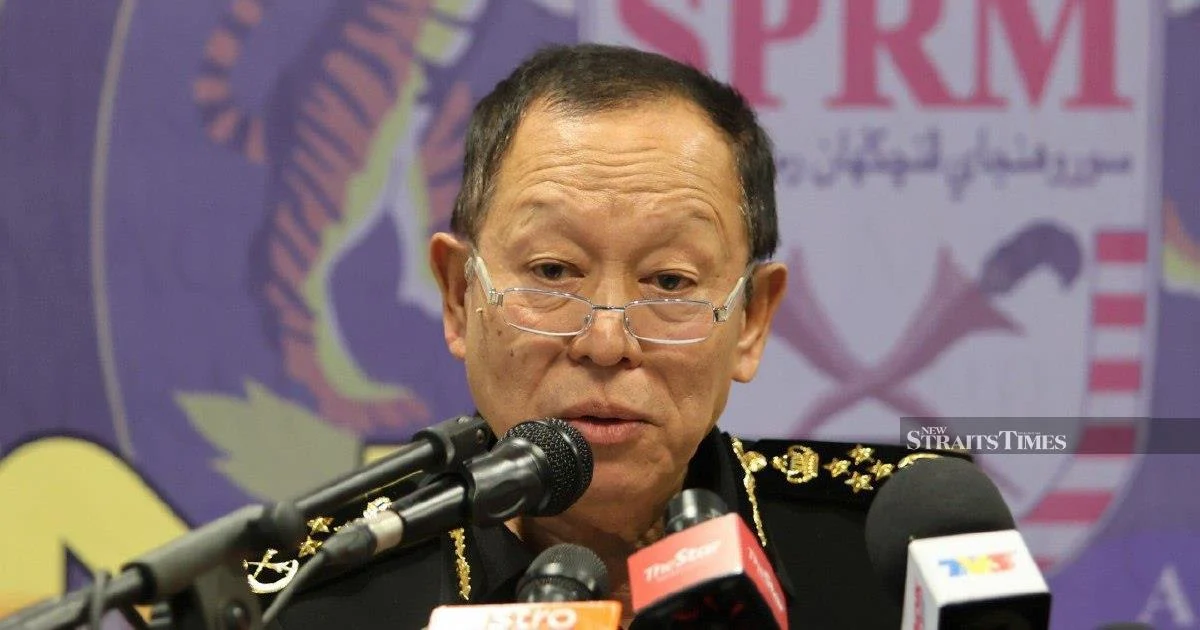
The Malaysian Anti-Corruption Commission (MACC) has stated that its investigation into alleged corruption surrounding the transfer of three elephants to Japan has yielded no evidence implicating former Natural Resources and Environmental Sustainability Minister Nik Nazmi Nik Ahmad. The announcement, made in Putrajaya, comes as the anti-graft agency continues its broader inquiry into the high-profile case that has drawn international attention to Malaysia's wildlife trade practices.
The allegations centres on claims that a RM53 million bribe was involved in facilitating the movement of the three elephants from Malaysia to Japan. Such extraordinary sums in wildlife transactions have historically raised red flags among enforcement agencies worldwide, particularly when government authorizations are required for cross-border animal movements. The case gained prominence partly because it involved a government minister during the transaction period, making ministerial accountability a central concern.
Nik Nazmi Nik Ahmad, who previously held the portfolio for natural resources and environmental matters, has been a figure of scrutiny in recent years. His ministry's jurisdiction over wildlife management and conservation matters placed him at the centre of decisions regarding animal transfers. The clearance by MACC suggests that whatever irregularities may have occurred in the elephant transaction, the investigative authority found insufficient grounds to establish the former minister's direct participation in corrupt activities.
The MACC's preliminary findings highlight the complexity of corruption investigations involving government officials and commercial transactions. Such cases often require establishing not merely that improper payments occurred, but that specific individuals knowingly facilitated or benefited from corrupt arrangements. The burden of proof in corruption matters demands concrete evidence linking a suspect to the corrupt act, beyond circumstantial connections or involvement in the relevant administrative processes.
Wildlife transfer cases involving substantial sums naturally attract regulatory and enforcement scrutiny. Malaysia's position as a megadiverse nation with significant elephant populations means that decisions regarding the relocation or export of these animals carry both conservation and diplomatic implications. The transfer of wildlife to international destinations typically requires multiple approvals from environmental and customs authorities, creating a complex bureaucratic framework where various officials and agencies intersect.
The RM53 million figure itself warrants examination within the context of typical wildlife trade practices. While legitimate expenses associated with elephant capture, care, transportation, and settlement in a new environment can be substantial, such sums prompt questions about whether payments aligned with reasonable market rates or whether unusual markups indicated potential corruption. Japanese wildlife facilities receiving the animals would have their own records of transaction costs, providing international verification points for investigators.
This development carries implications for regional animal welfare and trade standards. Southeast Asian nations, including Malaysia, face ongoing international scrutiny regarding wildlife protection and the legitimacy of animal transactions. Corruption allegations in such cases can damage a country's reputation in global conservation circles and complicate efforts to demonstrate commitment to sustainable wildlife management. The MACC's preliminary clearance of the minister may reassure international partners that Malaysian authorities are thoroughly investigating potential misconduct.
The investigation's trajectory suggests that MACC investigators have examined documentation, financial records, communications, and testimony related to the elephant transfer. The absence of evidence against Nik Nazmi does not necessarily indicate that no corruption occurred in the transaction, but rather that if improprieties took place, other actors may have been primarily responsible. Responsibility could potentially extend to private intermediaries, customs officials, or personnel within animal facilities involved in the transfer process.
For Malaysian political observers, the MACC's finding represents a significant development in the former minister's standing. Public figures implicated in corruption allegations, even without formal charges, frequently experience reputational damage. The agency's announcement that investigative work has not established culpability offers an important vindication, though it does not necessarily resolve broader questions about governance and oversight in wildlife transactions that the case has raised.
The case underscores ongoing challenges in combating corruption within administrative systems managing valuable natural resources and biological assets. Even with dedicated anti-corruption agencies and investigative capacity, establishing provable links between corrupt intent and specific officials requires substantial evidence. As Malaysia continues developing its wildlife governance frameworks and anti-corruption mechanisms, cases like this contribute to understanding where vulnerabilities in oversight exist and how procedural safeguards might be strengthened to prevent future irregularities, whether corrupt or merely administratively questionable.

