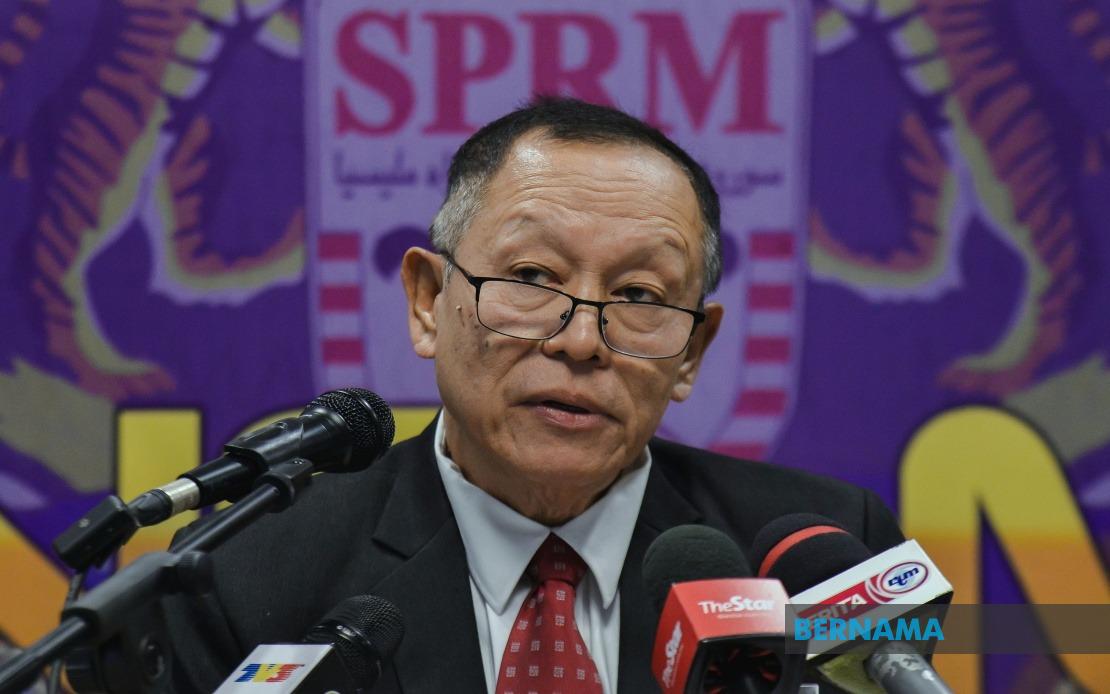
The Malaysian Anti-Corruption Commission has wrapped up an intensive four-day interrogation of a former chief financial officer concerning one of the most significant financial irregularities uncovered in the Royal Commission of Inquiry into Lembaga Tabung Haji. MACC chief commissioner Datuk Seri Abd Halim Aman confirmed that the questioning session, which ran from 9 am to 6.30 pm on its final day, concluded the investigative phase with this particular individual. The extended nature of the interview underscores the complexity and severity of the allegations at hand, suggesting investigators had substantial ground to cover regarding the circumstances surrounding the controversial transaction.
At the centre of this investigation lies a RM370 million share acquisition in two plantation companies, a deal that has drawn particular scrutiny from anti-corruption authorities and raised serious questions about corporate governance within one of Malaysia's most significant Islamic financial institutions. The RCI report, which triggered this formal investigation, identified potential abuse of power in how this transaction was executed and approved. Such large-scale financial decisions involving statutory bodies warrant meticulous examination, particularly when public funds or the interests of contributors are at stake, as is the case with Tabung Haji, which manages savings for millions of Malaysian Muslims performing the hajj pilgrimage.
The 60-year-old former CFO was among two senior officials detained following their voluntary appearance at MACC headquarters on Tuesday to provide their statements. Alongside him was the former chief executive officer of the company in question, suggesting that the investigation has zeroed in on the highest levels of decision-making authority within the organization. The fact that both individuals came forward to give statements voluntarily, rather than being arrested, may indicate either cooperative investigation procedures or a staged approach by authorities to systematically gather evidence from key witnesses.
This investigation represents a critical juncture in Malaysia's ongoing efforts to enhance accountability and transparency in managing public institutional wealth. Tabung Haji, as a pillar institution serving the Malaysian Muslim community, carries profound public trust obligations. Any deviation from proper governance standards carries implications beyond financial loss; it strikes at the confidence Malaysians place in institutions managing their savings and investments. The RCI's role in bringing these irregularities to light reflects the commission's value as an investigative mechanism for examining complex institutional failures that might otherwise escape public scrutiny.
The four-day questioning marathon indicates the depth of documentation and decision-making processes that MACC investigators needed to examine. Such extended sessions typically involve reviewing contemporaneous records, clarifying motivations behind specific approvals, tracing communication patterns, and establishing chains of authority and responsibility. The former CFO's position as chief financial officer means he likely played a central role in financial analysis, risk assessment, and recommendation processes leading up to the plantation share purchase, making his account crucial to understanding whether established protocols were followed.
For Malaysian investors and contributors to Tabung Haji, this investigation offers reassurance that potential misconduct does not escape official attention. However, it simultaneously raises questions about the oversight mechanisms that existed prior to the transaction occurring. If such a significant purchase could proceed under disputed circumstances, institutional stakeholders will naturally inquire what preventive controls failed and what corrective measures are now being implemented. The investigation's findings may thus shape future governance reforms not only at Tabung Haji but across Malaysia's broader institutional landscape.
The implications extend to regional financial markets and international perceptions of Malaysian institutional management. Southeast Asian economies increasingly compete for regional financial hub status and investor confidence. Investigations of this magnitude, while necessary for accountability, also reflect on institutional credibility within the region. Malaysian authorities' commitment to thorough investigation and appropriate consequences, combined with transparency in communicating findings, sends important signals about the nation's institutional integrity.
The RM370 million sum involved represents substantial capital that could have alternatively been deployed in approved investment strategies benefiting Tabung Haji's primary mission and its millions of contributors. The investigation will likely determine whether this particular allocation represented sound financial stewardship or represented misalignment between decision-makers' interests and fiduciary responsibilities. Such determinations influence not just immediate accountability but also broader policy conversations about institutional investment mandates and approval thresholds.
As this investigation progresses beyond the statement-recording phase, attention will focus on MACC's findings and any potential charges that may follow. The four-day interrogation represents substantial commitment of investigative resources, suggesting authorities view the allegations with appropriate gravity. Malaysian civil society, institutional stakeholders, and the broader public now await outcomes that reflect both the seriousness with which authorities treat potential institutional misconduct and the robustness of Malaysia's anti-corruption framework in addressing complex financial irregularities within public institutions.

