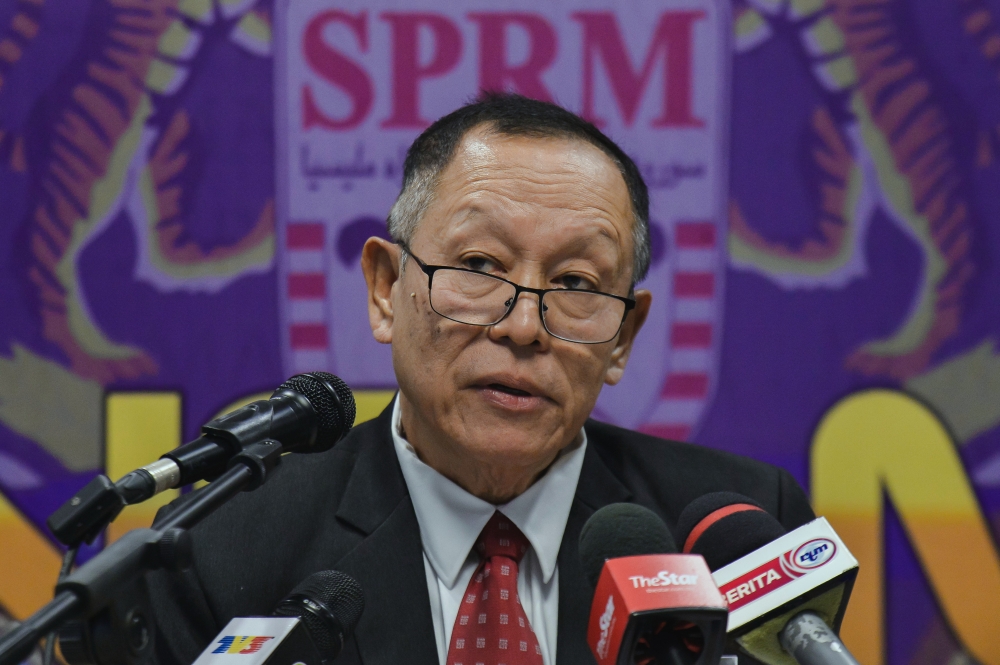
The Malaysian Anti-Corruption Commission is considering bringing in international forensic specialists to help untangle the increasingly intricate Tabung Haji investigation, signalling that the probe has reached a stage requiring expertise beyond domestic resources. The decision comes after MACC has already conducted interviews with 115 witnesses and detained seven suspects as it works through allegations involving the pilgrimage fund.
The scale of witness interviews reflects the broad scope of the inquiry, which has touched multiple aspects of Tabung Haji's operations and governance. With over a century of history managing Malaysia's pilgrimage fund and holding assets in the billions of ringgit, the institution's financial structures and decision-making processes have generated substantial documentary evidence requiring specialist analysis. The seven individuals held during investigations underscore the gravity with which authorities are treating suspected wrongdoing within or connected to the fund's administration.
Foreign forensic expertise has become increasingly valuable in Malaysian corruption investigations, particularly when cases involve complex financial transactions, digital evidence, or cross-border elements. The MACC's openness to seeking such assistance demonstrates recognition that some aspects of financial crime investigation demand capabilities that may require international coordination or technical knowledge concentrated in specific jurisdictions. This approach aligns with global best practices in anti-corruption work, where countries regularly exchange expertise to ensure investigations maintain international standards.
The Tabung Haji case carries significant political and public interest given the fund's status as a revered institution serving Muslim pilgrims across Malaysia. Millions of Malaysians have savings with Tabung Haji, viewing it as both a religious obligation facilitator and financial safeguard. Any credible findings of mismanagement or corruption could shake public confidence not only in the fund itself but in governance frameworks across government-linked institutions. This reality likely weighs on MACC's approach, necessitating thorough, transparent investigation methodology that can withstand public and legal scrutiny.
The investigation's complexity may stem from several factors typical of large-scale institutional probes. Financial institutions handle multiple transaction streams, maintain extensive records across various systems, and operate according to specific regulatory frameworks that intersect with general commercial law. When allegations of wrongdoing emerge, establishing clear causal links between decisions, actions, and financial outcomes requires meticulous tracing of fund flows, authorization chains, and decision-making records. Foreign forensic teams often bring systematic approaches refined through experience with similar cases elsewhere.
Engaging international experts also signals MACC's commitment to ensuring investigation credibility across different audiences. Domestic critics might question whether local investigators bring unconscious bias or face pressure to reach predetermined conclusions, particularly in cases touching powerful figures or sensitive institutions. Foreign expertise, by contrast, carries implicit neutrality and adherence to universal investigative standards. This dimension becomes crucial if investigations eventually lead to prosecutions requiring court presentations where defence teams scrutinize methodology and expertise credentials.
The consideration of foreign assistance reflects broader patterns in Southeast Asian corruption investigations. Thailand, Singapore, and Indonesia have all engaged international forensic support for complex cases, recognising that financial crime increasingly transcends national boundaries and requires cross-border investigative cooperation. Malaysia's openness to similar approaches positions the country within this regional framework and may facilitate information-sharing with neighbouring jurisdictions if evidence suggests cross-border elements to the Tabung Haji matter.
For Malaysian stakeholders, the decision to pursue comprehensive forensic investigation signals that authorities are treating alleged irregularities seriously and thoroughly. Pilgrims relying on Tabung Haji and depositors maintaining accounts with the fund will likely welcome investigative rigour. However, protracted investigations also create uncertainty, potentially affecting operational decisions and stakeholder confidence during the inquiry's pendency. MACC will need to balance investigative thoroughness with timely progress that demonstrates the probe's momentum.
The seven detainees represent focal points in the investigation but do not necessarily indicate the scale of ultimate findings. Detention decisions in MACC matters typically follow assessment of evidence strength, flight risk, and potential witness tampering concerns. Whether these individuals face formal charges, cooperation arrangements, or release will depend on investigation progress and prosecutorial assessment. The 115 witness interviews, meanwhile, may include both potential wrongdoers and peripheral figures providing contextual information about institutional practices, decision-making culture, and document authenticity.
International forensic support could accelerate investigation completion while strengthening eventual case presentation. Specialists may employ digital forensics examining electronic records, accounting analysis verifying transaction authenticity, and document examination techniques unavailable locally. Such capabilities prove particularly valuable when investigating periods spanning years and involving thousands of transactions requiring systematic analysis rather than anecdotal review.
The investigation's progression toward potential foreign assistance indicates MACC's confidence that it has gathered sufficient preliminary information to identify specific analytical challenges requiring expert input. Rather than seeking broad institutional review, the commission appears focused on resolving particular technical or evidentiary questions that specialist examination can address. This targeted approach should prove more efficient than comprehensive external audits, potentially accelerating investigative timelines.
Ultimately, the Tabung Haji investigation exemplifies how Malaysian anti-corruption authorities approach complex institutional cases in an era of sophisticated financial operations and transnational crime. By combining domestic investigative capacity with international expertise, MACC demonstrates institutional evolution toward professional standards increasingly expected in serious corruption matters. The investigation's outcome will carry implications extending beyond individual accountability, potentially reshaping governance frameworks and oversight mechanisms affecting numerous government-linked entities managing public or collective funds across Malaysia.

