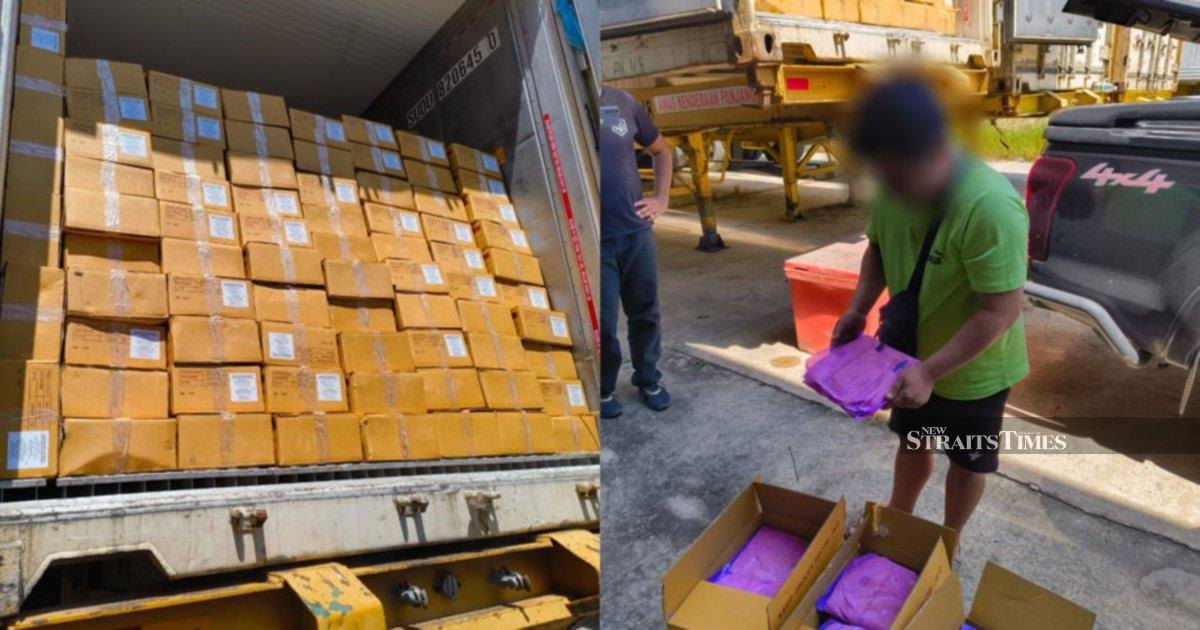
A major operation by the Malaysian Anti-Corruption Commission in Kota Kinabalu has resulted in the dismantling of a sophisticated smuggling network that had been channelling frozen chicken imports from China into Sabah through illegal means. The takedown represents a significant enforcement victory against organised smuggling operations that have long plagued Malaysia's agricultural sector, where black-market imports undercut legitimate producers and potentially expose consumers to unregulated products.
The discovery of this syndicate highlights the persistent vulnerabilities within supply chain oversight at Sabah's entry points, where shipments can be misclassified or documentation falsified to bypass standard customs and health inspections. Such networks typically exploit the complexity of port operations and documentation systems, enabling contraband to reach markets before detection. The MACC's intervention signals heightened vigilance against not merely the smuggling itself, but the corrupt practices that facilitate it—bribes to officials, forged permits, and falsified invoices that mask illegal movements of goods.
Sabah's strategic position as a maritime trade hub makes it particularly vulnerable to such schemes. The state's numerous ports and relative remoteness from federal oversight centres have historically attracted smuggling operations ranging from wildlife trafficking to contraband electronics. Frozen chicken imports present an especially lucrative black market opportunity because poultry is a dietary staple with consistent high demand, and consumers often cannot easily distinguish legally sourced from illegally imported frozen products at retail points. Margins are substantial when importers avoid tariffs, licensing fees, and regulatory compliance costs borne by legitimate traders.
The public health implications of unregulated poultry imports extend beyond economics. Illicit shipments typically bypass veterinary inspections and pathogen screening protocols that protect Malaysia's food security. Chinese frozen chicken entering the country outside official channels may not meet food safety standards, potentially harbouring bacteria like salmonella or other contaminants. The absence of traceability documentation means authorities cannot effectively manage disease outbreaks or conduct product recalls if safety issues emerge. Consumers purchasing through informal channels face unknown risks, while legitimate retailers suffer reputational damage when counterfeit or contaminated products reach their shelves.
The broader context involves Malaysia's ongoing struggle to balance poultry affordability with protecting its domestic farming sector. Chicken is among the cheapest protein sources for Malaysian households, making it politically sensitive. Illegal imports depress local prices, undercutting poultry farmers and integrators who must maintain compliance with environmental regulations, labour standards, and animal welfare requirements. Small-scale Malaysian producers find it difficult to compete when their costs are inflated by regulatory overhead while smugglers undercut them by operating outside the system entirely. This dynamic threatens long-term food security by discouraging domestic production investment.
MACC's operational capacity to investigate and dismantle such syndicates has expanded in recent years through enhanced inter-agency coordination. Rather than viewing smuggling solely as a customs matter, the commission has reframed enforcement around the corruption element—the payments and arrangements that enable officials to facilitate illegal movements. This approach has proven more effective because it targets the human vulnerabilities within enforcement systems, not merely the movement of goods themselves. Building cases against corrupt officials creates prosecutorial leverage and deters future collaboration between syndicate members and port workers or customs personnel.
The Sabah operation reflects lessons learned from previous enforcement successes elsewhere in the region. The Philippines and Indonesia have similarly targeted poultry smuggling networks, recognising that demand for cheap protein, combined with porous borders and insufficient inspection capacity, creates ideal conditions for organised smuggling. Coordination with regional counterparts strengthens Malaysia's ability to disrupt transnational supply chains before they consolidate. Intelligence sharing about smuggling routes, supplier networks, and methods helps authorities anticipate and prevent operations before they become entrenched.
For Malaysian consumers, the disruption of this syndicate may have mixed short-term effects. Reduced supply of cheap black-market chicken could push prices upward at informal markets and wet markets where unregistered traders typically source their inventory. However, this price pressure incentivises legitimate importers and domestic producers to expand supplies, ultimately benefiting the broader market. Sustained enforcement against smuggling also protects consumer safety and preserves fair competition, which indirectly benefits households through stable, quality supply chains.
The MACC's actions carry implications for business conduct across Sabah's trade and logistics sectors. Companies operating in ports, warehousing, and transportation face increased scrutiny regarding their documentation practices and client relationships. This pressure, while uncomfortable for some operators, fundamentally strengthens market integrity by raising costs for would-be smugglers and their collaborators. Legitimate traders benefit from a more level playing field, while public confidence in food safety improves when enforcement agencies demonstrate active capability.
Looking forward, this enforcement action underscores the need for sustained investment in Sabah's customs and inspection infrastructure. Port facilities should incorporate modern scanning technology, real-time documentation systems, and sufficient staffing to identify high-risk shipments for detailed inspection. Training programmes for inspectors can improve their ability to recognise misclassification tactics and anomalous documentation patterns. International cooperation arrangements with China and other source countries can facilitate information exchange about legitimate exporters, helping Malaysian authorities distinguish legitimate commerce from smuggling fronts.
The dismantling of this syndicate demonstrates that Malaysia's anti-corruption apparatus can effectively target agricultural smuggling when resources are deployed strategically. Replicating this success requires sustained commitment and expanded capacity at state level, where the vulnerabilities are greatest. For Sabah's farming community and consumers alike, the enforcement action validates expectations that authorities will protect legitimate markets and food security through active prosecution of smugglers and the corrupt officials who enable them.

