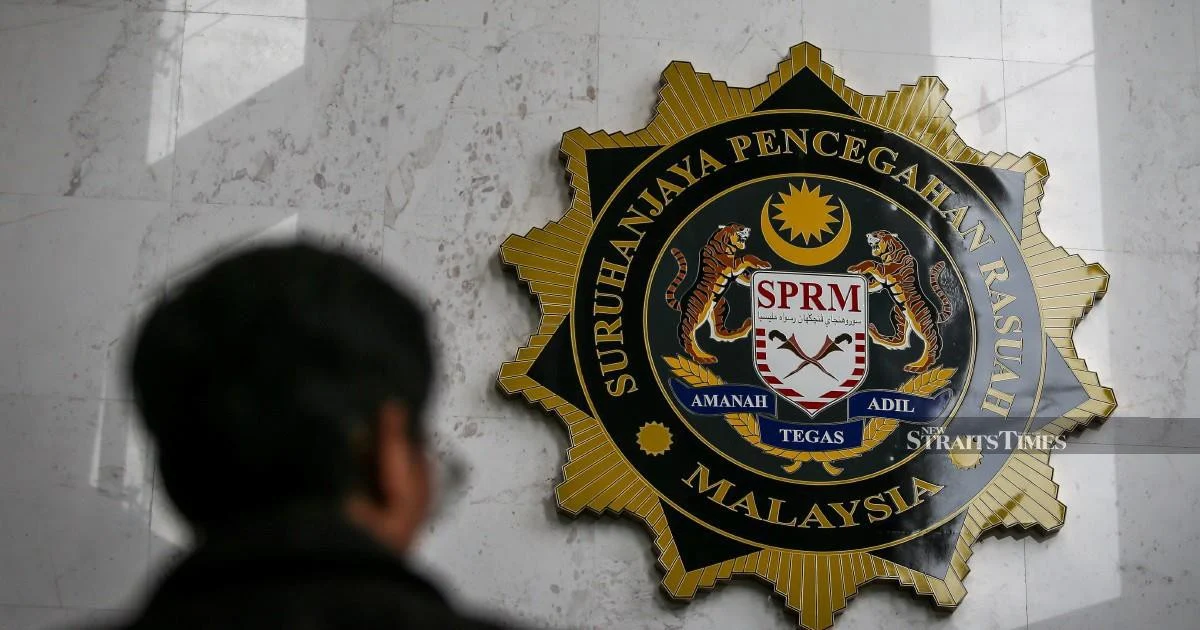
The Malaysian Anti-Corruption Commission is mobilising its enforcement apparatus for the upcoming 16th Johor state election by deploying five operation rooms across the state to function continuously throughout the polling period. This infrastructure allows members of the public to lodge formal complaints regarding suspected corruption and misuse of authority by political candidates, officials, or other election participants without temporal constraints.
The decision reflects heightened vigilance from Malaysia's primary graft-fighting body during electoral cycles, when opportunities for illicit conduct typically intensify. State elections represent critical junctures where regulatory oversight becomes particularly important, given the concentration of political activity, resource distribution, and administrative influence within compressed timeframes. By establishing these dedicated centres, the MACC signals its commitment to maintaining electoral integrity and ensuring public confidence in the democratic process.
The 24-hour operational model adopted for these facilities addresses a practical reality: electoral malpractices do not conform to standard business hours. Vote-buying, extortion, and other corrupt activities frequently occur during evenings, weekends, and periods when traditional complaint mechanisms remain closed. Round-the-clock access removes temporal barriers that might otherwise discourage citizens from reporting suspected violations, thereby expanding the Commission's investigative capacity and improving its intelligence gathering during the critical pre-polling and polling phases.
For Malaysian voters, particularly those in Johor, this development carries significant implications. The state has historically witnessed competitive electoral contests where the stakes for various political factions remain substantial. Previous elections in the state have occasionally generated allegations of improper conduct, making the enhanced monitoring apparatus a tangible measure designed to deter potential offenders and provide citizens with formal channels for accountability. The geographic distribution of five centres across Johor's territory suggests the MACC intends comprehensive coverage rather than token gestures, recognising the logistical challenges of managing complaints across an extensive region.
The establishment of these operation rooms represents part of a broader MACC strategy to professionalise and expand its electoral oversight functions. Beyond merely receiving complaints, such centres typically house trained personnel capable of conducting preliminary investigations, documenting evidence, and facilitating rapid response to reports of serious misconduct. This infrastructure investment demonstrates institutional confidence in the Commission's analytical capabilities and suggests the MACC views electoral investigations as a core competency requiring dedicated resources.
From a regional perspective, Malaysia's approach reflects international best practices in election administration. Democratic nations worldwide have recognised that independent, well-resourced anti-corruption bodies operating transparently during electoral periods enhance both actual integrity and public perception of legitimacy. Neighbouring countries and international observer missions increasingly scrutinise how electoral democracies manage graft risks, and Malaysia's visible commitment to monitoring carries diplomatic dimensions beyond domestic politics.
The public reporting mechanism embedded within these operation rooms serves multiple functions simultaneously. Beyond complaint collection, it generates valuable data about corruption patterns, identifies vulnerable administrative sectors, and creates deterrent effects among potential offenders who recognise systematic monitoring. Citizens who previously lacked convenient channels for reporting suspicious activity now possess visible, accessible infrastructure, fundamentally altering the calculus for individuals contemplating misconduct.
However, the effectiveness of such facilities ultimately depends on multiple factors beyond their physical establishment. The trained personnel staffing these centres require adequate authority to conduct preliminary investigations, sufficient database systems to track complaints and identify patterns, and institutional commitment to follow through on serious allegations. The public response to these facilities will also reveal whether citizens trust the MACC sufficiently to report observed malpractices, particularly when allegations might implicate powerful political figures or well-connected individuals.
For Johor specifically, the timing of this initiative aligns with growing expectations that state governments operate with transparent, accountable mechanisms. The state's economic significance and its role as a major population centre mean electoral conduct in Johor frequently receives scrutiny from national political observers and international media. Enhanced anti-corruption infrastructure therefore carries symbolic importance, signalling that Johor's democratic processes operate under rigorous independent oversight.
The five-centre deployment strategy also reflects practical understanding of Johor's geographic composition and population distribution. By positioning operation rooms strategically across the state rather than concentrating them in Johor Baru alone, the MACC acknowledges that electoral activity disperses across multiple constituencies and administrative divisions. This decentralised approach reduces accessibility barriers for voters in peripheral areas who might otherwise find it burdensome to travel to centralised complaint facilities.
Looking forward, the operational data generated by these 24-hour centres during the Johor election will likely inform the MACC's approach to future electoral cycles elsewhere in Malaysia. Patterns identified during this state election—regarding the types of allegations reported most frequently, the timing of complaints, and the geographic distribution of suspected misconduct—will enable evidence-based refinement of the Commission's electoral enforcement strategies. This learning process strengthens institutional capacity progressively across successive electoral cycles.
Ultimately, the MACC's establishment of five round-the-clock operation rooms for the Johor election represents a tangible commitment to electoral integrity that extends beyond rhetoric. Whether this infrastructure translates into measurable reductions in corruption, increased public confidence, and enhanced democratic legitimacy depends on implementation quality, institutional follow-through on investigations, and the public's willingness to utilise these reporting channels. As Malaysia continues developing its democratic institutions, visible anti-corruption apparatus during elections serves both practical and symbolic functions essential to sustaining public faith in democratic processes.

