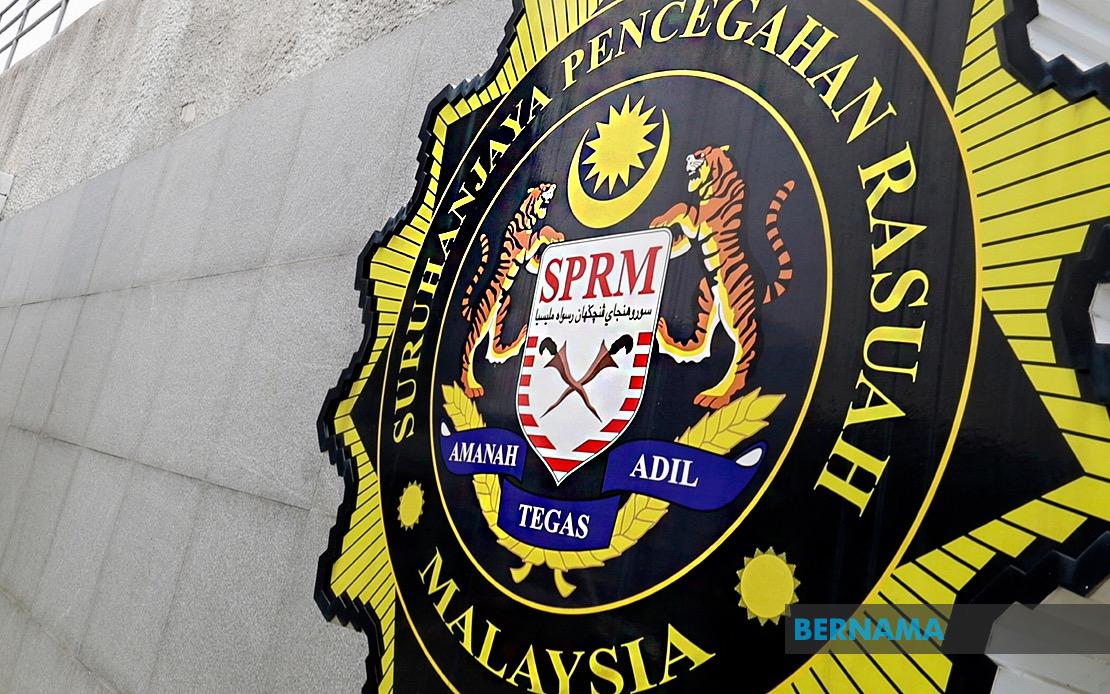
The Malaysian Anti-Corruption Commission (MACC) is intensifying efforts to locate a 41-year-old individual whose presence is required at a critical forfeiture proceeding scheduled for August 20 at the Kuala Lumpur Criminal Sessions Court. Mohamad Faizul Kamaruddin has proven difficult to reach through conventional channels, prompting the anti-corruption agency to appeal directly to the public for assistance in tracking him down. The move underscores the challenges authorities face when individuals become elusive during corruption-related legal proceedings, a phenomenon that has occasionally complicated high-profile investigations across Malaysia.
According to a statement issued by MACC from its Putrajaya headquarters, the agency is invoking its formal powers under Section 41 of the Malaysian Anti-Corruption Commission Act 2009 to serve Mohamad Faizul with affidavit documents essential to the forfeiture case. The provision grants the commission authority to compel attendance and secure necessary documentation from individuals involved in corruption matters. Such measures are typically deployed when standard notification methods have exhausted their utility, indicating that preliminary attempts to contact the respondent through his registered residential address have yielded no results.
The last known address associated with Mohamad Faizul is Block B-2-6, Taman Tun Sardon Flats, located in the Gelugor district of Penang. Despite MACC's systematic efforts to locate him at this residence, he has remained unreachable, suggesting either relocation without notification to authorities or deliberate avoidance. Such disappearances are not uncommon in complex corruption cases, where individuals facing potential asset forfeiture may attempt to evade legal processes. The situation reflects a broader enforcement challenge: civil forfeiture actions, which aim to recover ill-gotten assets, often hinge upon locating and notifying the targeted individuals within prescribed legal timeframes.
Forfeiture proceedings represent a critical mechanism within Malaysia's anti-corruption framework, enabling the state to recover assets allegedly accumulated through corrupt practices without necessarily requiring criminal conviction. These civil remedies have become increasingly important tools in jurisdictions seeking to disgorge unexplained wealth. The August 20 hearing represents a substantive step in this process, where evidence regarding the nature and origins of allegedly misappropriated assets would typically be presented and contested. Mohamad Faizul's attendance is legally significant, as it provides an opportunity for him to present his case or file objections to the forfeiture application.
The MACC has appointed Ahmad Nasharuddin Ab Razak as the investigating officer overseeing this matter. The agency has disseminated multiple contact channels for public assistance: a mobile number (019-345 4565), the MACC Pahang office line (09-571 6000), and an email address ([email protected]). This multi-platform appeal suggests the commission's determination to locate Mohamad Faizul before the scheduled hearing, recognising that procedural delays or adjournments would further complicate what appears to be an already protracted investigation. The public appeal also serves a practical purpose: members of the community with direct knowledge of his whereabouts can provide immediate intelligence to authorities without waiting for formal investigative channels.
For Malaysian readers and observers of the nation's corruption-fighting mechanisms, this case exemplifies the operational complexities that anti-corruption agencies routinely encounter. The MACC's statutory powers, while comprehensive, depend fundamentally upon effective coordination between government agencies, public cooperation, and timely identification of individuals. When subjects of investigation become unavailable, the entire process can stall, creating opportunities for further concealment of assets or evidence. The situation also highlights the importance of property ownership registries and financial tracking systems that can help authorities maintain current information on individuals' whereabouts and holdings.
The forfeiture framework within Malaysian law represents a significant departure from traditional criminal justice approaches. Rather than focusing exclusively on punitive sanctions against individuals convicted of corruption, these mechanisms target the fruits of corruption directly. This approach acknowledges a fundamental reality: criminal prosecutions can be time-consuming and subject to legal challenges, while corrupt officials may attempt to shield their assets through complex financial arrangements or transfers to third parties. Forfeiture actions, by contrast, operate within a civil standard of proof and can proceed independently of criminal proceedings, offering flexibility in recovering public money lost to graft.
The MACC's public appeal for information about Mohamad Faizul's location is notable for its transparency and accessibility. Unlike sensitive ongoing criminal investigations, which typically remain confidential until prosecution, forfeiture cases often generate public notice to invite objections and ensure procedural fairness. This openness reflects the quasi-civil nature of asset recovery proceedings, which balance the state's interest in recovering misappropriated funds with the respondent's right to contest the action. The August 20 hearing date provides a defined timeline within which authorities must accomplish service and secure attendance, or risk procedural complications that could delay the forfeiture determination.
The implications of this case extend beyond the specific individual involved. As Malaysia continues to strengthen its anti-corruption infrastructure and align with international standards on asset recovery and illicit financial flows, cases like this demonstrate both the commitment of enforcement agencies and the practical obstacles they navigate. The MACC's proactive approach—engaging public assistance, utilising statutory powers, and maintaining transparent communication—reflects institutional learning from previous enforcement challenges. For citizens concerned about corruption and its corrosive effects on public trust and resource allocation, such efforts signal that authorities are pursuing not just accountability but concrete recovery of misappropriated wealth.

