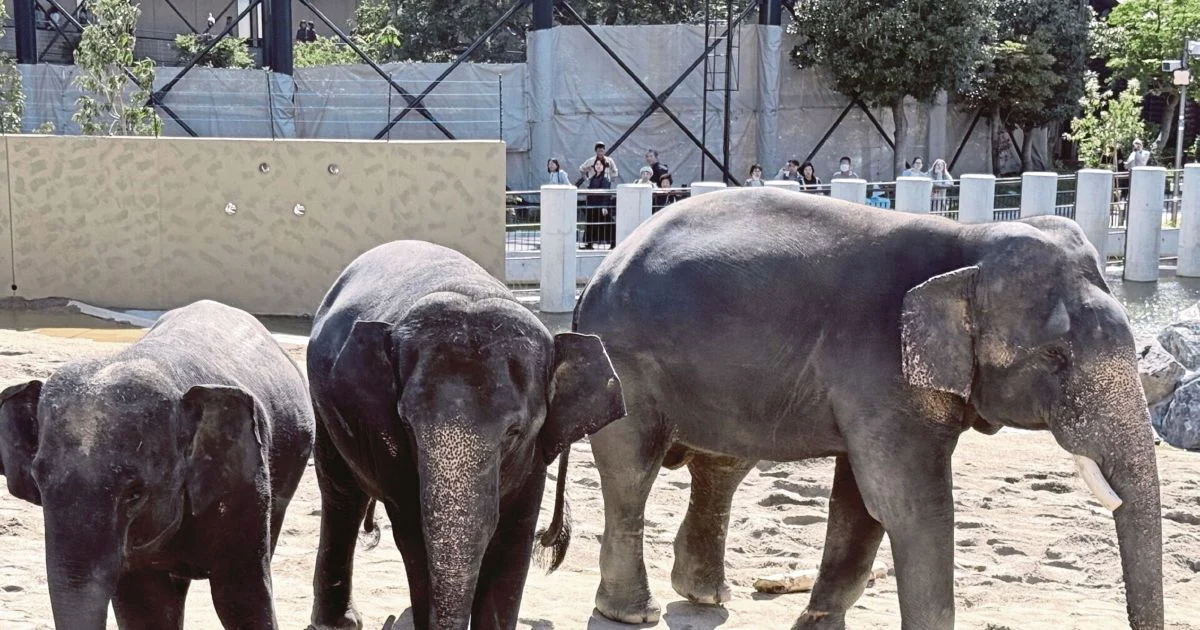
The Malaysian Anti-Corruption Commission has initiated a formal inquiry into the relocation of three Asian elephants from Zoo Taiping to Tennoji Zoo in Osaka, Japan, marking a significant development in what has become an increasingly scrutinised transaction involving one of Malaysia's most iconic zoological institutions.
The probe signals growing official concern about the handling of this cross-border animal transfer, which has drawn attention from multiple quarters including animal welfare advocates and governance watchdogs across Southeast Asia. Zoo Taiping, located in the northern state of Perak, has long been regarded as one of Malaysia's premier wildlife attractions, and the movement of its elephants has sparked broader discussions about transparency and accountability in government-managed facilities.
The MACC's decision to examine the transaction reflects wider questions about how such international arrangements between public institutions are negotiated, approved, and executed. These investigations typically focus on whether proper procedures were followed, whether competitive bidding processes occurred where required, and whether the terms agreed upon represented fair value and proper stewardship of public assets and living creatures under state care.
For Malaysian readers, this development carries significance beyond the immediate circumstances. Zoo Taiping holds considerable cultural and economic importance to the Perak state economy, drawing substantial domestic and international visitor numbers annually. The elephants have become symbolic ambassadors for Malaysian wildlife conservation efforts, and their departure to Japan raises questions about long-term planning and strategic decision-making within state-managed tourism and cultural institutions.
The Tennoji Zoo in Osaka is an established Japanese facility with decades of operational history. International elephant transfers between zoos are not uncommon in global zoological circles, often arranged through breeding programmes or as components of broader cooperation agreements between institutions. However, such arrangements in Malaysia typically require multiple layers of approval, including wildlife department sign-off, environmental impact assessment, and consideration of animal welfare protocols.
The MACC's involvement suggests that someone has formally lodged a complaint or that routine audit processes have flagged concerns warranting deeper investigation. This could range from questions about whether the zoo received competitive offers from other institutions, whether the financial arrangements were properly valued, or whether all necessary permits and approvals were obtained through established channels before the elephants were moved.
This inquiry also reflects Malaysia's broader commitment to institutional accountability. The MACC, as an independent body with constitutional authority, maintains investigations into potential misconduct across all public sector agencies regardless of their function or profile. The inclusion of a cultural icon like Zoo Taiping demonstrates that no institution operates beyond scrutiny when governance standards are in question.
Animal welfare advocates across Southeast Asia have monitored this transfer closely, noting that elephants require specialised care, climate-appropriate facilities, and established social bonds. The logistics of relocating large mammals internationally involve veterinary oversight, quarantine periods, and adjustment to new environments. These factors add another dimension to the investigation beyond purely administrative concerns, as proper procedures protect animal welfare alongside institutional accountability.
The timing and nature of such transfers also carry implications for regional wildlife cooperation frameworks. Malaysia and Japan maintain strong bilateral relationships encompassing cultural exchange, scientific collaboration, and environmental initiatives. Zoo-to-zoo arrangements can strengthen these ties, but they require transparent governance to maintain public confidence and international credibility.
For Zoo Taiping specifically, this investigation may necessitate a comprehensive review of its decision-making processes surrounding major transactions. Whether the inquiry results in recommendations for procedural improvements, financial adjustments, or management changes, the outcome will likely influence how Malaysian state-managed institutions approach future international agreements.
The broader context matters too. Across Southeast Asia, questions about governance in public institutions have intensified in recent years. Transparency in decision-making, competitive tendering, and proper documentation of institutional transactions have become increasingly important to governments and civil society alike. This investigation fits squarely within that regional trend toward strengthened accountability mechanisms.
Stakeholders including Perak state leadership, Zoo Taiping management, animal welfare organisations, and the general public await the MACC's findings. The investigation's conclusions will likely be closely examined not only for what they reveal about this specific transaction but also for what they might signal about governance standards in Malaysia's state-owned attractions and public institutions more broadly.
The probe underscores an important principle: that even transactions involving living creatures and cultural institutions remain subject to the same rigorous standards of transparency and accountability expected across the public sector. As Malaysia continues developing its tourism infrastructure and international partnerships, ensuring robust governance in such arrangements will prove essential for maintaining both public trust and Malaysia's standing as a responsible steward of its natural heritage.
%22%2F%3E%3C%2Fpattern%3E%3C%2Fdefs%3E%3Crect%20width%3D%22100%25%22%20height%3D%22100%25%22%20fill%3D%22url(%23ph4sj74g)%22%2F%3E%3Crect%20width%3D%22100%25%22%20height%3D%22100%25%22%20fill%3D%22url(%23ph4sj74p)%22%2F%3E%3Ctext%20x%3D%2250%25%22%20y%3D%2250%25%22%20text-anchor%3D%22middle%22%20dominant-baseline%3D%22central%22%20fill%3D%22rgba(255%2C255%2C255%2C0.95)%22%20font-family%3D%22Georgia%2C%20'Times%20New%20Roman'%2C%20serif%22%20font-weight%3D%22700%22%20font-size%3D%22170%22%20letter-spacing%3D%22-0.02em%22%3EMalaysia%3C%2Ftext%3E%3C%2Fsvg%3E)
%22%2F%3E%3C%2Fpattern%3E%3C%2Fdefs%3E%3Crect%20width%3D%22100%25%22%20height%3D%22100%25%22%20fill%3D%22url(%23ph2078wg)%22%2F%3E%3Crect%20width%3D%22100%25%22%20height%3D%22100%25%22%20fill%3D%22url(%23ph2078wp)%22%2F%3E%3Ctext%20x%3D%2250%25%22%20y%3D%2250%25%22%20text-anchor%3D%22middle%22%20dominant-baseline%3D%22central%22%20fill%3D%22rgba(255%2C255%2C255%2C0.95)%22%20font-family%3D%22Georgia%2C%20'Times%20New%20Roman'%2C%20serif%22%20font-weight%3D%22700%22%20font-size%3D%22170%22%20letter-spacing%3D%22-0.02em%22%3EMalaysia%3C%2Ftext%3E%3C%2Fsvg%3E)
%22%2F%3E%3C%2Fpattern%3E%3C%2Fdefs%3E%3Crect%20width%3D%22100%25%22%20height%3D%22100%25%22%20fill%3D%22url(%23ph40iosg)%22%2F%3E%3Crect%20width%3D%22100%25%22%20height%3D%22100%25%22%20fill%3D%22url(%23ph40iosp)%22%2F%3E%3Ctext%20x%3D%2250%25%22%20y%3D%2250%25%22%20text-anchor%3D%22middle%22%20dominant-baseline%3D%22central%22%20fill%3D%22rgba(255%2C255%2C255%2C0.95)%22%20font-family%3D%22Georgia%2C%20'Times%20New%20Roman'%2C%20serif%22%20font-weight%3D%22700%22%20font-size%3D%22320%22%20letter-spacing%3D%22-0.02em%22%3EMACC%3C%2Ftext%3E%3C%2Fsvg%3E)