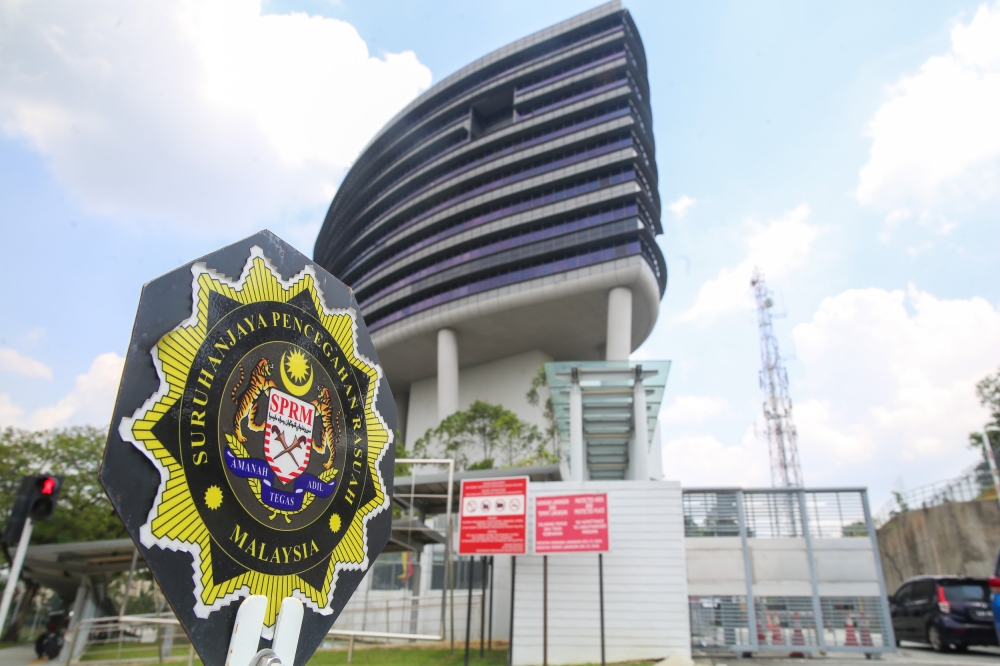
The Malaysian Anti-Corruption Commission is moving to fortify its investigative infrastructure by developing specialised capabilities in digital forensics, recognising the growing threat posed by artificially generated content and falsified digital evidence in corruption cases. This institutional evolution reflects a broader acknowledgment across enforcement agencies worldwide that traditional investigation methods increasingly fall short when confronted with deepfake videos, manipulated documents, and synthetic media created through machine learning algorithms.
As digital crime becomes more sophisticated, the MACC's initiative signals an understanding that modern corruption—whether involving bribery schemes, embezzlement networks, or fraud operations—now routinely exploits technological vulnerabilities to obscure guilt or create false narratives. The capacity to swiftly identify when videos have been artificially manipulated, when audio recordings have been tampered with, or when photographic evidence has been doctored electronically becomes essential for prosecutors seeking to build watertight cases before courts.
The commission's pivot toward enhanced digital detection mirrors similar moves by law enforcement bodies across Southeast Asia and globally. Singapore's Corrupt Practices Investigation Bureau, Hong Kong's Independent Commission Against Corruption, and Thailand's National Anti-Corruption Commission have all invested in comparable technological upgrades. For Malaysia, which has positioned itself as a regional leader in combating systemic corruption following high-profile cases involving major government officials and state enterprises, remaining at the frontier of investigative technology carries both operational and symbolic weight.
The technical challenge is substantial. Deepfakes and sophisticated image or video manipulation have become increasingly difficult to distinguish from authentic material as artificial intelligence algorithms grow more refined. A video that appeared obviously fake just three years ago might now pass cursory inspection by untrained observers. Similarly, manipulated documents—where text has been altered, signatures forged through digital means, or timestamps falsified—can require forensic analysis at the pixel level to expose deception.
For Malaysian investigators, this capability addresses a practical vulnerability in the digital age. Corruption networks can now weaponise deepfake technology to discredit witnesses, manufacture false evidence of innocence, or create embarrassing synthetic videos of investigators to undermine public confidence in investigations. The MACC's response recognises that prosecutorial success increasingly depends on technological sophistication matching that of the criminals themselves.
The broader regional context matters significantly. Southeast Asia faces particular challenges in this domain, as rapid digitalisation across the region has created abundant opportunities for tech-savvy corrupt actors to exploit weaknesses in institutional capacity to detect digital manipulation. Countries with less developed forensic infrastructure risk becoming havens for those fleeing jurisdiction in better-equipped nations, creating a competitive dynamic that incentivises regional investment in capabilities.
Investment in digital forensics also reflects changing patterns in how corruption manifests in contemporary Malaysia. As government services increasingly move online, and as procurement, licensing, and regulatory approval processes become digitised, the opportunities for corruption expand but also leave digital footprints. The MACC's enhanced capacity means investigators can now pursue trails of emails, server logs, metadata records, and encrypted communications that would have been inaccessible or impossible to authenticate a decade ago.
The institutional dimension deserves attention as well. Building genuine digital forensics capacity requires not merely acquiring expensive software but recruiting and training personnel with deep expertise in computer science, data analysis, and cybersecurity. Malaysia's competitive labour market means the MACC must offer sufficient resources and career development to attract specialists who might otherwise gravitate toward private sector cybersecurity firms offering higher compensation. This human capital challenge often proves more difficult than the technical one.
Public confidence considerations also underpin this initiative. As Malaysians become more aware of deepfake technology through media coverage and social media exposure, there is risk that defence lawyers or public commentators could attempt to discredit legitimate evidence by claiming it has been digitally manipulated. The MACC's visible investment in forensic capability and its ability to transparently demonstrate evidence authenticity through peer-reviewed scientific methodology strengthens public faith in prosecutions and convictions.
The timing of this capability enhancement is significant given Malaysia's ongoing efforts to tackle corruption following years of investigations into 1Malaysia Development Berhad (1MDB) and related cases. High-profile prosecutions create precedent and scrutiny, meaning anti-corruption authorities face heightened pressure to employ investigative methods that withstand legal challenge and public examination. Deepfakes and manipulated evidence represent an emerging frontier where legal precedent remains underdeveloped and where institutional credibility hangs on demonstrating rigorous, scientifically sound methodology.
Looking forward, the MACC's move reflects understanding that combating modern corruption is less a discrete operation and more an ongoing technological arms race. As artificial intelligence tools become more democratised and cheaper, generating convincing deepfakes will require minimal expertise. The institution's response—investing in detection capabilities commensurate with threat evolution—represents sensible institutional adaptation, though it also signals that anti-corruption agencies globally face an accelerating challenge in authenticating evidence in an era of sophisticated digital manipulation.

