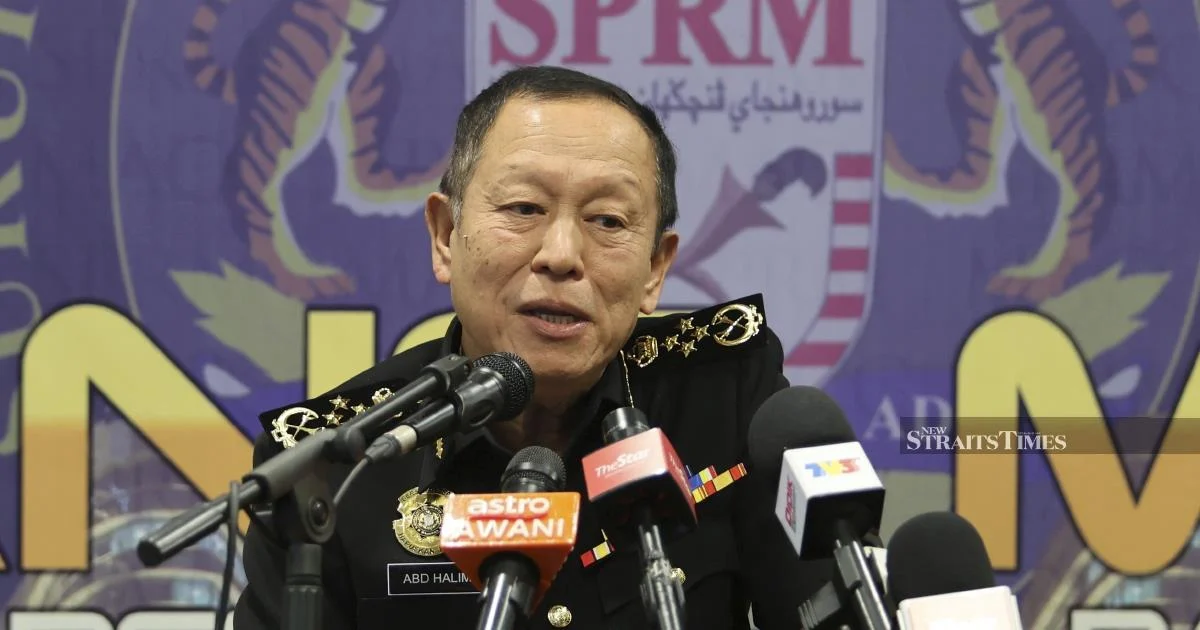
The Malaysian Anti-Corruption Commission maintained Thursday that its investigation into Low Taek Jho, the fugitive businessman at the centre of the 1Malaysia Development Berhad scandal, remains in active status and has not been terminated despite his years abroad.
Low, who disappeared from Malaysia in 2015 as allegations mounted against him in connection with billions in missing funds from the sovereign wealth fund, continues to evade authorities across multiple jurisdictions. The MACC's insistence that the investigation file remains open reflects the agency's determination to preserve its prosecutorial options and underscores the gravity with which Malaysian authorities continue to regard the 1MDB affair.
The statement carries particular significance given the passage of time and the practical complications surrounding the pursuit of a fugitive who has managed to remain beyond the reach of Malaysian law enforcement for nearly a decade. By publicly affirming the investigation's active status, the MACC signals that should Low resurface or be apprehended in another country, Malaysia retains full authority to proceed with legal action based on accumulated evidence.
Low's role in the 1MDB scandal represents one of the most significant corruption cases in Malaysian history. The scheme, which ultimately resulted in losses estimated at billions of ringgit, saw massive sums diverted through complex international transactions, with Low allegedly serving as a key architect and beneficiary of the systematic theft. His fugitive status has become emblematic of both the challenge facing Southeast Asian authorities in combating transnational financial crimes and the difficulties inherent in pursuing white-collar offenders who possess the resources and networks to disappear into foreign jurisdictions.
The MACC's clarification addresses persistent speculation about whether the passage of time and Low's absence might have prompted authorities to administratively close investigations. Such closure would effectively remove any legal pathway for future prosecution. The agency's reassurance suggests that despite the obvious practical obstacles to apprehending or extraditing Low, Malaysian prosecutors remain prepared to build toward charges should opportunities arise.
The investigation's continued active status also reflects coordination with international law enforcement. Multiple countries have pursued parallel investigations into Low's conduct and assets, with authorities in Singapore, the United States, and Switzerland uncovering evidence of his role in laundering stolen funds across borders. These concurrent proceedings internationally reinforce the gravity of the case and potentially create scenarios where cooperative enforcement actions could eventually force Low to account for his alleged crimes.
For Malaysian readers concerned with governance and accountability, the MACC's statement provides modest reassurance that institutional memory of the scandal has not faded and that the bureaucratic machinery remains positioned to pursue justice should circumstances change. Yet the underlying reality remains sobering: despite substantial evidence and international attention, Low continues to evade formal legal proceedings, a reality that highlights vulnerabilities in the global financial system that allow sophisticated operators to shield themselves through strategic relocation and asset obscuration.
The fugitive's continued freedom also raises questions about his current circumstances and support networks. Periodic reports have suggested he has relocated between countries, though his precise location and activities remain largely shrouded in mystery. The investigation's open status preserves the possibility that intelligence gathering continues, with authorities potentially tracking his movements and financial dealings through international cooperation channels even as direct apprehension remains impractical.
Low's case extends beyond Malaysia's borders into the broader Southeast Asian context, where similar questions about transnational corruption, capital flight, and weak extradition frameworks persist across the region. The ability of high-level financial operators to disappear across borders and maintain themselves abroad raises systemic concerns about whether existing legal and enforcement mechanisms possess sufficient sophistication and coordination to adequately constrain transnational corruption schemes.
The MACC's statement ultimately represents a holding action rather than a solution. While it confirms that institutional commitment to accountability has not wavered, the practical reality of an active investigation without an identifiable subject or realistic near-term enforcement pathway reflects the profound challenges posed by globalized financial crime. For Malaysia, maintaining this investigative posture serves as a marker of institutional determination, even as the underlying case remains frozen in perpetual suspension pending Low's eventual apprehension or political developments that might alter the enforcement landscape.

