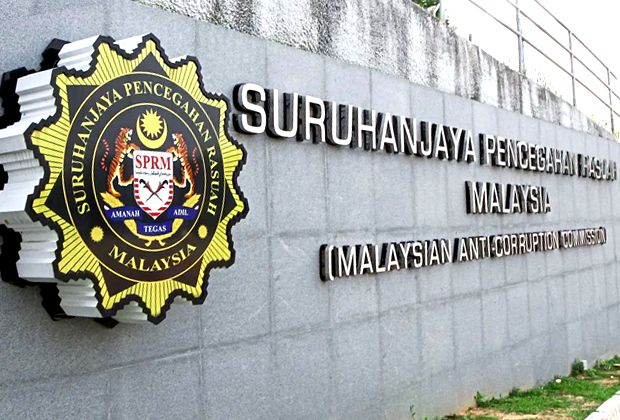
The Malaysian Anti-Corruption Commission (MACC) has lifted restrictions on bank accounts belonging to Rohas Tecnic's subsidiary and its personnel, clearing the way for the tower manufacturer to restore full banking operations. The decision represents a significant development in a case that initially prompted investigators to freeze multiple accounts under anti-money laundering legislation in October 2025.
Rohas Tecnic, which specializes in manufacturing power transmission and telecommunication towers, disclosed the revocation in a filing with Bursa Malaysia today. The MACC's action encompassed both corporate accounts held by the subsidiary and personal banking facilities maintained by present and former company officers. By rescinding the seizure orders previously issued under Section 50(1) of the Anti-Money Laundering, Anti-Terrorism Financing and Proceeds of Unlawful Activities Act 2001 (AMLA), authorities have essentially validated the release of all frozen funds and restored banking privileges.
The original restriction orders emerged on October 17, 2025, when the MACC and Deputy Public Prosecutor issued freezing and seizure directives targeting Rohas Tecnic and two key subsidiaries: HGPT and Rohas-Euco Industries Bhd (REI). Those orders were grounded in AMLA provisions designed to prevent the movement of suspected proceeds from unlawful activities and to disrupt potential terrorist financing channels. At that time, the simultaneity of the action across multiple entities signalled that investigators had identified grounds warranting urgent preventive measures.
For a publicly-listed company dependent on operational cash flow to maintain production schedules and meet contractual obligations, such freezing orders create substantial operational friction. Banking restrictions constrain a firm's ability to pay suppliers, meet payroll obligations, finance working capital, and execute routine transactions essential to maintaining market position. The telecommunications and power infrastructure sectors, in which Rohas Tecnic operates, require consistent capital deployment to honour project timelines and customer commitments. The prolonged freeze would have risked reputational damage and potential breach of commercial agreements.
The revocation sequence unfolded across late November 2025. The Deputy Public Prosecutor signed revocation orders on November 26 for both Rohas Tecnic and HGPT under Section 50(1) of AMLA. A day earlier, REI received separate revocation orders from the MACC itself, though under the broader Section 44A provision of the statute. The staggered release of restrictions suggests the investigations proceeded along parallel tracks, with different assessment timelines for different entities or provisions, ultimately converging on clearance decisions.
This outcome reflects the inherent tension embedded within AMLA enforcement frameworks. While preventive measures serve legitimate public interest by disrupting illicit financial flows, they simultaneously impose significant costs on businesses and individuals subjected to restrictions. The revocation demonstrates that initial grounds for concern, whatever their nature, did not ultimately substantiate into formal charges or ongoing legal impediments. Malaysian regulators and prosecutors appear to have concluded that sufficient clarity emerged to warrant releasing the constraints, thereby permitting normal commercial function to resume.
For Rohas Tecnic's stakeholders—shareholders, creditors, employees, and commercial partners—the revocation carries material implications. Investors gain clarity that operational restrictions have been lifted, reducing uncertainty surrounding the company's capacity to generate revenue and service obligations. Suppliers regain confidence in the firm's ability to execute payment commitments. Employees benefit from assured business continuity and employment stability. The company itself can redirect management focus from compliance and liaison with authorities back toward competitive positioning and growth execution.
The resolution also underscores the importance of robust internal compliance and swift cooperation with authorities when subject to investigation. Companies facing MACC scrutiny benefit substantially by demonstrating transparency, institutional integrity, and willingness to address investigatory queries comprehensively. The relatively rapid progression from seizure to revocation—spanning roughly six weeks—suggests that either the initial concerns resolved quickly upon closer examination, or the company provided satisfactory explanations and documentation that obviated ongoing preventive necessity.
Within Malaysia's financial crime enforcement ecosystem, such episodes occur periodically as the MACC exercises its broad investigative mandate across manufacturing, finance, and infrastructure sectors. The public disclosure of freezing orders occasionally generates negative market perception, even when subsequent investigation exonerates the targeted entities. Companies that successfully navigate such episodes and achieve revocation often emerge strengthened by demonstrated institutional resilience and proven absence of systemic corruption or financial irregularity.
Rohas Tecnic's statement confirms that all previously frozen accounts have been released and the company stands authorized to resume unrestricted banking and normal business operations. This restoration represents a full return to the operational status quo preceding the October seizure orders. The company can now refocus on its market position within Malaysia's telecommunications and power infrastructure sectors, where ongoing infrastructure development and modernization initiatives continue generating demand for transmission towers and related equipment.
The lifting of these restrictions may also signal broader confidence within Malaysia's financial regulatory framework. The MACC's willingness to revoke orders when investigation findings do not support continued restrictions demonstrates institutional proportionality and commitment to minimizing unwarranted disruption to legitimate business activity. Such practices strengthen the credibility of AMLA enforcement by ensuring preventive measures remain genuinely tied to substantiated risk rather than becoming indefinite punitive mechanisms.

