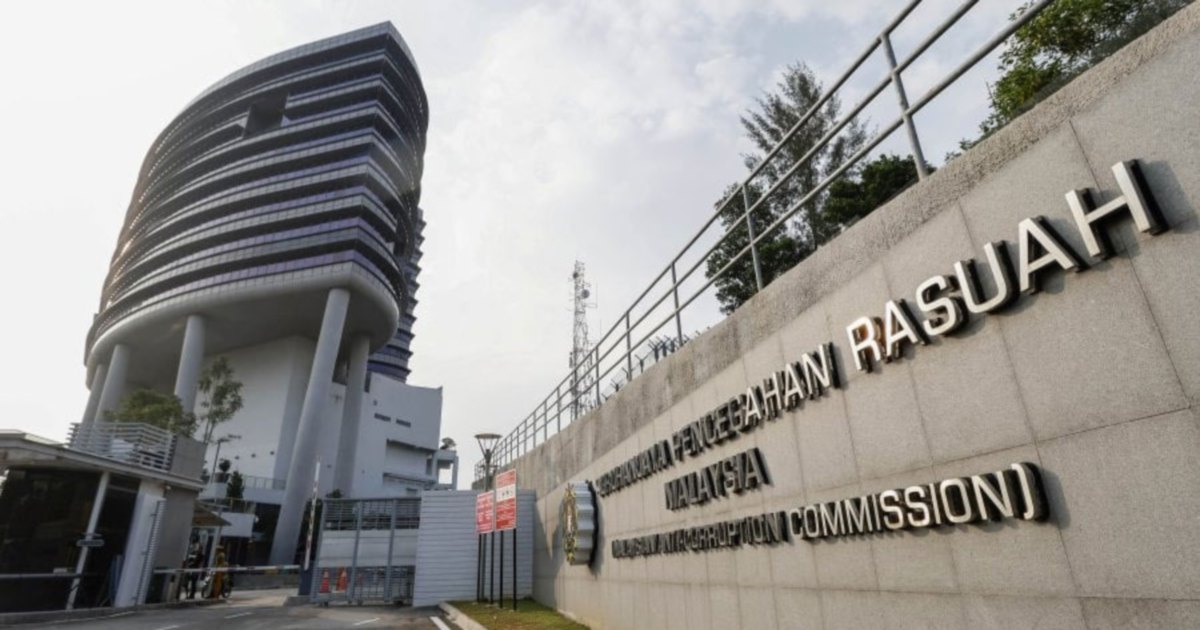
The Malaysian Anti-Corruption Commission (MACC) has initiated a formal probe into the Retirement Fund Inc (KWAP) following a substantial investment loss, with investigators visiting the fund's headquarters in Kuala Lumpur this week as the inquiry intensifies. The investigation centres on KWAP's reported RM200 million loss stemming from its involvement with eFishery, an Indonesian aquaculture technology enterprise, marking a significant episode in Malaysia's corporate governance oversight landscape.
The visit to KWAP's offices represents a critical juncture in scrutinising how the fund—which manages retirement savings for Malaysian employees—deployed substantial capital into the Southeast Asian fintech-meets-agriculture sector. eFishery, which operates an integrated platform serving fish farmers across Indonesia and the region, has become the focal point of financial and governance scrutiny as stakeholders seek clarity on investment decision-making processes and due diligence protocols. The timing of this investigation underscores heightened attention toward institutional fund management practices in Malaysia, particularly regarding international investment exposure and risk assessment frameworks.
The MACC's engagement suggests potential irregularities or procedural lapses that warrant formal examination. Investigators typically focus on whether proper governance structures were followed, if adequate transparency existed in decision-making processes, and whether investments received appropriate board-level oversight. For a pension fund managing retirement assets, such scrutiny is particularly significant given the fiduciary responsibility KWAP bears toward millions of Malaysian workers whose future security depends on prudent capital stewardship.
KWAP's investment portfolio traditionally emphasizes domestic assets, real estate, and fixed-income securities designed to provide stable returns protecting long-term retirement obligations. An allocation of RM200 million toward an Indonesian technology platform represents a material departure from conventional fund strategy, raising questions about how such a substantial commitment gained approval and what assessments informed the decision. The magnitude of the reported loss suggests either significant depreciation in the asset value or potential write-downs following operational complications at eFishery.
Indonesian aquaculture represents a genuinely promising investment frontier, with the nation's fishery sector experiencing rapid technological modernisation. eFishery itself has attracted international venture funding and operates across multiple markets, suggesting underlying business viability. However, emerging market technology investments carry elevated risks including regulatory uncertainty, currency fluctuations, and execution challenges—elements that institutional fund managers must carefully weigh against return potential.
The investigation's scope likely encompasses communications between KWAP management and eFishery representatives, internal investment committee deliberations, and any consultancy reports or financial modelling that underpinned the decision. Investigators will examine whether conflicts of interest existed, whether independent valuations were obtained, and if investment terms reflected commercial arm's-length negotiations or contained unusual provisions favoring particular parties.
For Malaysian pension fund members and the broader investment community, this probe reinforces questions about institutional investment governance and accountability mechanisms. Public sector funds managing retirement assets operate under public trust and elevated expectations regarding transparency and prudent stewardship. Even sophisticated international investments, if inadequately documented or approved through compromised processes, can trigger legitimate governance concerns warranting regulatory intervention.
The investigation also carries implications for Malaysian institutional investors' broader Southeast Asian exposure. Foreign direct investment within the region remains strategically important for portfolio diversification and regional economic development, yet cases involving substantial losses can trigger increased caution and potentially constrain future appetite for cross-border commitments. Clarity regarding what transpired at KWAP may influence how other Malaysian funds evaluate emerging market opportunities and structure their international investment frameworks.
EFishery's position as a regional technology platform extending beyond Indonesia adds complexity to this matter. The company's operations span multiple countries and depend on regulatory cooperation across jurisdictions, meaning its financial difficulties could reflect sector-wide challenges rather than entity-specific mismanagement. Nevertheless, sophisticated institutional investors should maintain visibility into such operational realities during investment lifecycles rather than discovering complications only when write-downs become necessary.
The MACC's systematic approach—interviewing personnel, reviewing documentation, and assessing procedural compliance—will establish factual foundations for determining whether misconduct, negligence, or legitimate business judgment characterized KWAP's decision-making. Malaysian corporate governance frameworks presume fiduciaries act reasonably with available information, though investigations often reveal information gaps, communication failures, or approval irregularities that explain disappointing financial outcomes.
As the investigation progresses, Malaysian stakeholders will be monitoring whether findings indicate isolated procedural oversights or systemic governance weaknesses requiring broader institutional reforms. The outcomes will likely influence how Malaysia's financial regulators approach institutional fund oversight and whether additional safeguards become necessary for approving substantial international commitments. For KWAP's members, the investigation's conclusions will substantially inform confidence in the fund's management credibility and its capacity to protect retirement assets during volatile economic periods.

