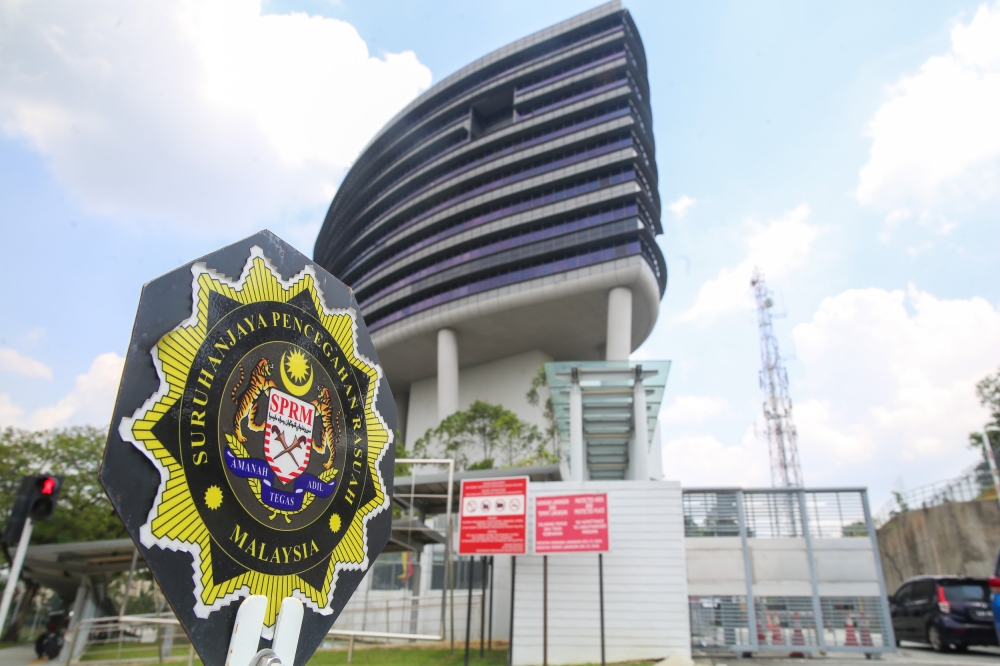
The Malaysian Anti-Corruption Commission (MACC) has made a direct appeal to the secretaries-general across all federal ministries to establish comprehensive protections for individuals who report corrupt activities, arguing that such measures are vital to Malaysia's standing in the international Corruption Perceptions Index (CPI). The move reflects growing recognition within anti-corruption circles that a credible whistleblower framework is not merely a matter of ethical governance but a practical lever for improving the country's global reputation on transparency and institutional integrity.
Malaysia's performance on the CPI, an annual benchmark published by Transparency International that ranks countries by perceived levels of public-sector corruption, has been a persistent area of concern for policymakers and civil society advocates. The nation's current standing reflects what many analysts describe as a gap between formal anti-corruption mechanisms and their actual implementation across government bodies. By fortifying whistleblower protections, the MACC contends that ministries can create genuine accountability structures that would translate into measurable improvements in how independent assessors evaluate Malaysia's anti-corruption environment.
The MACC's initiative centres on encouraging ministry heads to institutionalise safeguards that shield individuals who disclose evidence of misconduct from retaliation, professional prejudice, or career damage. These protections are intended to encompass both formal whistleblowing channels and informal reporting mechanisms, recognising that potential informants often face genuine fear about the consequences of coming forward. The commission has highlighted that without such protections, even sophisticated investigation systems become toothless, as corrupt officials can operate with impunity if insiders remain silent due to intimidation or uncertainty about their security.
From a regional perspective, Malaysia's efforts to strengthen whistleblower frameworks place it within a broader Southeast Asian context where countries are competing to demonstrate good governance credentials. Neighbouring economies including Singapore and Thailand have already invested significantly in whistleblower legislation and institutional protection schemes, creating a subtle competitive pressure for Malaysia to keep pace. International investors, multinational corporations, and development partners increasingly scrutinise anti-corruption commitment as part of their risk assessments, making CPI improvements a matter of economic as well as political consequence.
The practical dimensions of whistleblower protection extend beyond legal guarantees. The MACC's call appears to encompass creating institutional cultures where reporting corruption is normalised rather than stigmatised, establishing confidential intake processes that prevent information leaks, and ensuring that investigations resulting from whistleblower disclosures proceed with rigour and transparency. Additionally, the commission seems to be encouraging ministries to consider financial or career protections for those whose livelihoods might be affected by retaliation from within their organisations or connected parties.
Historically, Malaysia's anti-corruption efforts have shown strength in investigative capacity and political will at the highest levels, particularly during periods of heightened scrutiny following major scandals. However, implementation at the ministry level has proven uneven, with some departments demonstrating sophisticated anti-corruption frameworks while others lag significantly behind. The MACC's contemporary push suggests that the commission sees standardised, ministry-wide whistleblower protections as a key mechanism to close these implementation gaps and create more consistent standards across government.
The connection between whistleblower protections and CPI improvements is not merely aspirational. Transparency International's methodology incorporates assessments of institutional capacity to detect and punish corruption, and a credible whistleblower system—properly implemented and visibly effective—signals that a government has created structural incentives for transparency. Countries that have strengthened such protections have subsequently experienced measurable improvements in their CPI scores, suggesting that the MACC's strategy rests on empirical foundations rather than mere institutional preference.
Challenges to implementation are significant. Malaysian bureaucratic culture, inherited in part from colonial administrative traditions, has historically emphasised hierarchy and deference to authority, characteristics that can discourage lower-ranking officials from reporting superiors. Additionally, concerns about sensitive national security information or political sensitivities can complicate whistleblower frameworks in ways that are less prevalent in more institutionally mature democracies. The MACC must navigate these cultural and political complexities while advancing practical protections.
The timing of the MACC's appeal carries implications for Malaysia's broader governance trajectory. As the country navigates complex political circumstances and seeks to rebuild international confidence in its institutions, demonstrating tangible progress on anti-corruption fronts has multiplier effects. Enhanced whistleblower protections would signal to international actors, rating agencies, and domestic constituencies that Malaysia is serious about moving beyond episodic anti-corruption campaigns toward embedded institutional practices that function systematically and persistently.
For ministry secretaries-general, the MACC's direction effectively positions whistleblower protection as a non-negotiable component of modern governance rather than an optional addition. Compliance with the commission's call would likely involve revising internal protocols, training staff on confidentiality procedures, and establishing clear reporting lines and consequence frameworks. Such institutional adjustments, while administratively demanding, represent the foundation upon which Malaysia's credibility as an anti-corruption jurisdiction ultimately rests.
Looking forward, the effectiveness of this initiative will depend heavily on the degree to which ministries respond with substantive rather than cosmetic reforms. Establishing written policies without genuine cultural change or meaningful sanctions for retaliation would leave Malaysia's CPI performance largely unchanged. Conversely, if ministries embrace the MACC's call as an opportunity to fundamentally reshape how corruption concerns are identified and addressed, Malaysia could position itself as a regional leader in institutional accountability, yielding dividends that extend well beyond international rankings.

