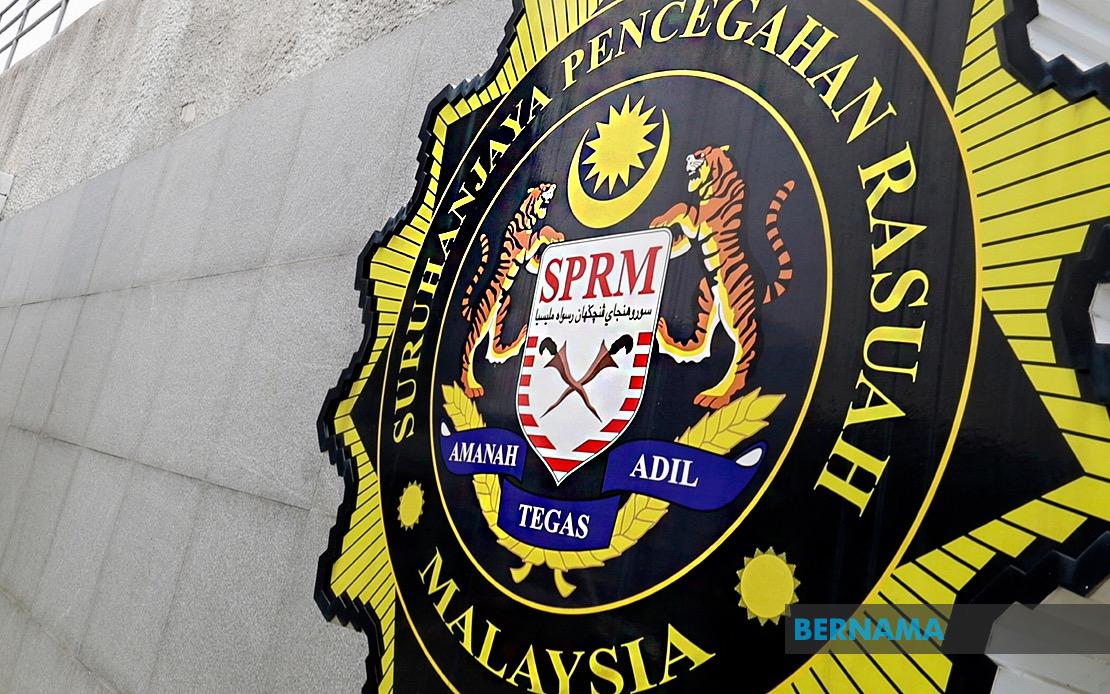
The Malaysian Anti-Corruption Commission (MACC) has taken a significant step onto the international compliance stage, earning recognition as a finalist across four categories at the ICA Compliance Awards APAC 2026, an annual programme organised by the International Compliance Association. This marks the commission's inaugural participation in what is considered one of the Asia-Pacific region's most prestigious professional recognition events, underscoring Malaysia's commitment to strengthening institutional frameworks against corruption and financial crime.
The commission's strong showing reflects a diverse range of nominations spanning both individual and organisational achievements. Investigation Division Branch C head Mohd Shukri Mohd Said has been shortlisted for Compliance Leader of the Year, recognising leadership excellence in advancing the agency's compliance mandate. Alongside this, Mohammad Nazree Mansor secured a Rising Star Award nomination, indicating the MACC's capacity to cultivate emerging talent within its ranks—a critical factor for the long-term sustainability of any anti-corruption institution.
Beyond individual recognition, the MACC has achieved finalist status in two team-focused categories that underscore organisational capability and efficiency. The commission appears in contention for Compliance Team of the Year honours, as well as recognition in the Small Compliance Team of the Year category for units operating with fewer than seven members. These dual nominations suggest that the MACC's approach to compliance work extends across teams of varying scales, reflecting operational flexibility and resource management that appeal to international evaluation frameworks.
Mohd Hafaz Nazar, the MACC's Investigation Division senior director, characterised the nominations as validation of the commission's sustained dedication to institutional integrity and anti-corruption governance. Speaking to the significance of the recognition, he noted that these achievements should energise the organisation to pursue excellence across both domestic and international platforms. His remarks suggest an institutional mindset that views international benchmarking not as an endpoint but as a mechanism to continuously elevate performance standards and demonstrate Malaysia's standing in global compliance efforts.
Mohd Shukri, reflecting on his personal nomination, framed the recognition as emblematic of broader institutional values rather than individual accomplishment alone. His statement emphasised that the nomination reflects the professionalism and dedication characterising the MACC's officer corps and their collective commitment to strengthening Malaysia's anti-corruption agenda on the world stage. This framing is strategically important, as it positions individual achievement within a larger narrative of institutional excellence and national commitment to integrity.
For Mohammad Nazree, the Rising Star Award nomination carries particular significance as a signal of professional validation at a formative career stage. His selection appears to have motivated him toward continued skill development and a deepened commitment to governance and anti-corruption work within Malaysia's public sector ecosystem. The award's emphasis on emerging talent speaks to how international recognition programmes can function as career incentives, potentially encouraging retention of skilled professionals within anti-corruption institutions—a persistent challenge across Southeast Asia.
The ICA Compliance Awards APAC programme itself represents a broader regional movement toward standardising compliance excellence across the Asia-Pacific region. Operating as a professional recognition initiative, the awards honour innovation, best practices, and institutional collaboration in combating financial crime and strengthening governance structures. For the MACC, participation signals alignment with international benchmarking standards and a willingness to subject its practices to external evaluation—moves that can enhance credibility among international partners, particularly in cross-border corruption investigations and asset recovery efforts.
The International Compliance Association, which has operated since 2001, has cultivated a substantial professional network exceeding 160,000 practitioners globally. Through internationally recognised training and qualification programmes, the ICA has emerged as a significant standard-setter in the compliance field. The MACC's participation in the association's awards programme positions Malaysia within this global professional infrastructure and potentially opens pathways for officers to access ICA training and certification opportunities that could further elevate institutional capacity.
Announcement of award winners is scheduled for July 21 through a virtual awards ceremony, a format reflecting the post-pandemic normalisation of digital professional events. This timing and delivery mechanism offer the MACC—and by extension, Malaysia—a platform for potentially high-profile international visibility should any of the four nominations result in awards. Regional anti-corruption agencies and international compliance practitioners would likely note such achievements, potentially enhancing the MACC's reputation within networks that influence cross-border investigations and international cooperation frameworks.
For Malaysia specifically, the MACC's international recognition carries institutional and diplomatic dimensions beyond the awards themselves. Anti-corruption effectiveness has become an increasingly significant marker in international assessments of governance quality, influencing foreign investment decisions and bilateral relationships. As Southeast Asian economies compete for capital inflows and position themselves as stable, rule-of-law-respecting jurisdictions, visible progress in anti-corruption institutional capacity carries strategic weight. The MACC's international recognition contributes to a broader narrative about Malaysia's commitment to institutional reform and governance improvement.
The nominations also merit consideration within Malaysia's domestic anti-corruption reform context. Since the MACC's establishment, the institution has undergone multiple reorganisations and capability enhancements aimed at improving investigative effectiveness and reducing politicisation risks. International recognition of the commission's compliance and integrity work suggests that these institutional investments are producing demonstrable results that resonate with external evaluation standards. Such external validation can bolster institutional morale and public confidence, particularly important given historical scepticism about Malaysian anti-corruption agencies' independence and effectiveness.
Looking ahead, the MACC's debut in the ICA awards programme may establish a precedent for regular participation, creating a predictable cycle of international benchmarking and external evaluation. This could incentivise continued institutional development and provide mechanisms for identifying international best practices applicable to Malaysia's specific corruption challenges. For other Southeast Asian anti-corruption bodies considering similar international engagement, the MACC's approach offers a potential template for enhancing institutional credibility and accessing global professional networks that can strengthen regional capacity for corruption prevention and investigation.