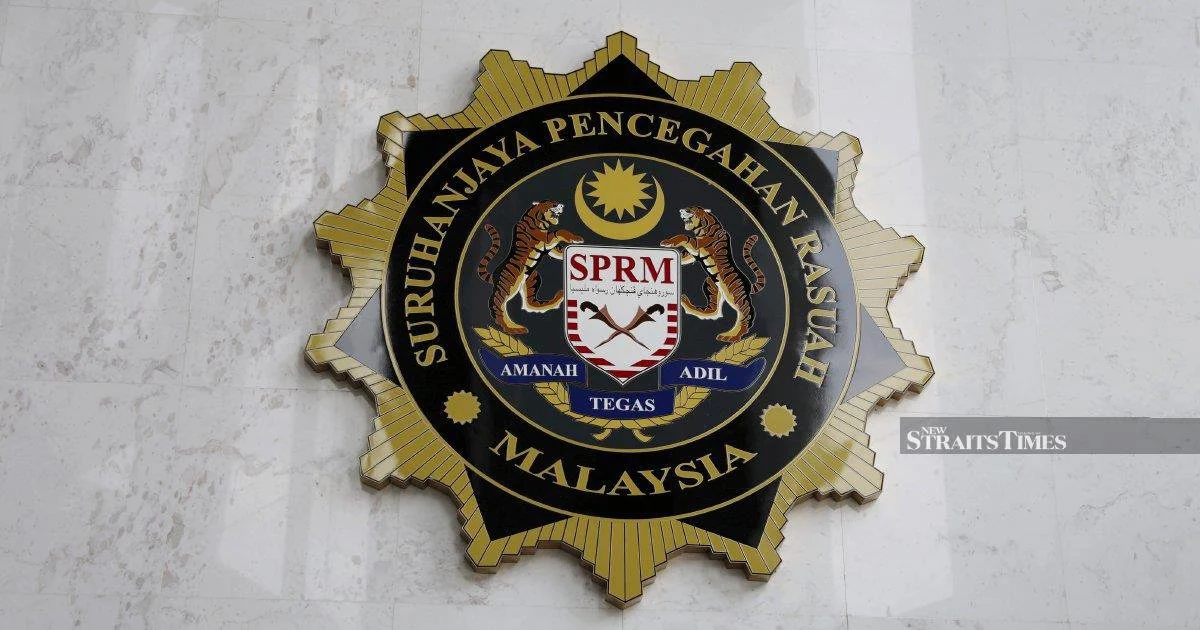
The Malaysian Anti-Corruption Commission has moved to tighten financial controls over government grants distributed to temples and churches, introducing six targeted governance measures aimed at preventing misappropriation and ensuring public funds reach their intended beneficiaries. Speaking from its Putrajaya headquarters, the anti-graft agency outlined a structured approach to address systemic vulnerabilities in how non-Muslim houses of worship handle maintenance allocations across the country.
The proposal reflects growing concerns about financial stewardship within religious institutions receiving public assistance. While temples and churches provide essential community services across Malaysia's multicultural landscape, the absence of standardised oversight mechanisms has created gaps where funds can be diverted or mismanaged. The MACC's intervention represents a significant step towards establishing uniform accountability standards that respect religious autonomy whilst safeguarding taxpayer money.
Government funding for non-Muslim places of worship remains an important component of Malaysia's commitment to religious pluralism and communal harmony. These grants typically support maintenance of physical structures, renovation projects, and operational costs that enable temples and churches to serve their congregations. However, the governance frameworks underpinning these disbursements have evolved incrementally without comprehensive review, creating inconsistencies across different institutions and jurisdictions.
The commission's proposed measures target multiple vulnerability points within the current system. By establishing clearer protocols for fund management, the MACC seeks to reduce opportunities for financial impropriety whilst strengthening the capacity of temple and church committees to demonstrate proper stewardship. These recommendations likely encompass enhanced documentation requirements, improved accounting practices, and clearer audit trails that would make it easier to track how grants are deployed.
Transparency mechanisms form a cornerstone of the MACC's recommendations. Requiring institutions to maintain detailed records of expenditures and submit regular financial reports to relevant authorities would create accountability checkpoints. Such documentation not only discourages misconduct but also provides institutional protection by creating a verifiable record of appropriate fund usage. Religious organisations genuinely committed to proper stewardship would benefit from such frameworks, as they demonstrate to both congregations and authorities that donated funds and grants are handled responsibly.
The proposal's timing carries significance for Malaysia's ongoing efforts to combat corruption across all sectors. Recent years have witnessed increased scrutiny of how public funds flow through various institutional channels, from government agencies to community organisations. By extending anti-corruption focus to religious institutions, the MACC acknowledges that accountability standards must apply uniformly across society, regardless of the sector's spiritual or cultural character.
Implementing these measures will require coordination between multiple stakeholders. The MACC must work alongside the Ministry responsible for religious affairs, local government authorities, and representative bodies of temples and churches to develop practical guidelines that prove workable for diverse institutions of varying sizes and administrative capacity. Smaller, rural temples with limited administrative resources may need different support mechanisms compared to larger, well-established urban congregations.
The framework's success will depend heavily on acceptance within religious communities. Church and temple leaders must understand that enhanced governance measures protect their institutions rather than burden them. When properly implemented, standardised procedures can actually streamline grant applications and reduce bureaucratic confusion whilst demonstrating to government funders and congregants alike that finances are handled with integrity.
Educational components will likely accompany the proposed measures. Religious organisations may require training in modern financial management practices, particularly smaller institutions where administrative roles are often filled by volunteers without formal accounting backgrounds. Workshops and resource materials explaining new requirements could facilitate smoother transition to improved governance standards.
The proposals also carry implications for how Malaysia manages religious pluralism in practical terms. Temples and churches form vital infrastructure within Malaysia's multicultural society, providing not only spiritual services but also community programmes, educational initiatives, and social support functions. By ensuring these institutions receive and properly utilise public funding, Malaysia reinforces its commitment to supporting diverse faith communities as integral parts of the national fabric.
Regional observers may view this development as part of broader Southeast Asian trends towards tightening financial oversight across institutional sectors. As countries across the region strengthen anti-corruption frameworks, bringing religious organisations into formal accountability systems represents a natural extension of governance modernisation rather than specific targeting of any faith community.
The MACC's proposals suggest that strengthened grant management need not compromise the independence or religious character of temples and churches. Rather, clear financial procedures and transparent accounting can coexist with congregational autonomy regarding spiritual matters and internal organisational decisions. This distinction between financial accountability and religious independence proves essential for ensuring public acceptance and effective implementation.
Moving forward, the reception of these recommendations from temple and church bodies, government agencies, and the broader public will shape how Malaysia calibrates the balance between preventing corruption and respecting institutional autonomy. The six measures represent an invitation to religious organisations to partner with authorities in safeguarding public resources whilst maintaining the religious and cultural institutions that Malaysian communities depend upon.

