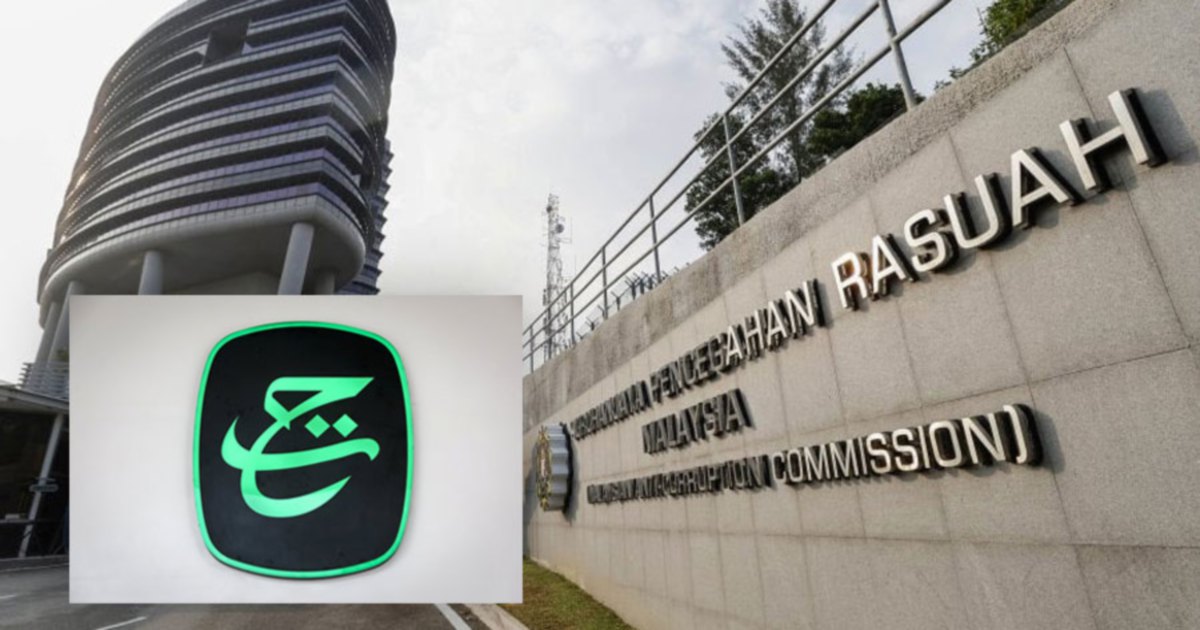
The Malaysian Anti-Corruption Commission has identified a former chief executive officer of Tabung Haji as a key person of interest in its ongoing investigation into the pilgrim fund, marking a significant escalation in scrutiny following the completion of a Royal Commission of Inquiry. Sources indicate that the ex-CEO is among several individuals now under the watchful eye of the anti-graft body, which is expected to issue summonses in the coming period as it moves to formalize its investigations.
Tabung Haji, Malaysia's largest Islamic financial institution managing funds for Muslims undertaking the pilgrimage to Mecca, has been subject to intense public and political scrutiny over recent years. The fund, which holds contributions from millions of Malaysian pilgrims and operates with an annual budget running into billions of ringgit, became the focal point of a comprehensive inquiry aimed at examining governance lapses and potential financial irregularities within its management structure.
The Royal Commission of Inquiry, which concluded its deliberations and submitted its findings, appears to have uncovered sufficient evidence or concerns warranting further investigation by the MACC. Such referrals typically indicate that the inquiry panel identified matters that crossed the threshold from administrative or governance failings into potential criminal territory. The transition from the RCI's findings to MACC's investigative jurisdiction represents a critical juncture in accountability efforts surrounding the institution.
For Malaysian pilgrims and their families, the investigation carries profound implications. Tabung Haji operates under a unique mandate, holding sacred trust as it safeguards the financial resources of ordinary Malaysians saving for one of Islam's five pillars. Any mismanagement or breach of fiduciary duty strikes at the heart of public confidence in Islamic financial institutions and the broader financial ecosystem serving Malaysia's Muslim majority population.
The involvement of former leadership in the investigation spotlight is not unusual in complex institutional inquiries. Leadership decisions cascade through organizational hierarchies, and examining those who held the highest executive positions often proves essential to understanding how institutional problems developed and persisted. The MACC's approach suggests investigators believe senior-level decision-making may have contributed to the circumstances that prompted the RCI itself.
Previous controversies involving Tabung Haji have included concerns about investment decisions, project allocations, and the handling of member deposits. The fund's governance framework and internal control mechanisms have come under particular examination, as these systems typically represent the first line of defense against misappropriation or mismanagement. Questions surrounding how decisions were made, who authorized them, and whether proper procedures were followed naturally point investigators toward the executive suite.
The timing of MACC's intervention following the RCI report underscores Malaysia's developing institutional response to governance failures. Rather than allowing inquiries to conclude with recommendations gathering dust on shelves, the integration between fact-finding commissions and enforcement agencies demonstrates an evolving commitment to translating findings into tangible accountability measures. This sequential approach—investigation, recommendation, enforcement—has become increasingly visible across multiple Malaysian institutions grappling with governance challenges.
For the Malaysian financial sector more broadly, these developments carry cautionary weight. Islamic finance in Malaysia, while substantial and increasingly sophisticated, faces questions about institutional safeguards and leadership accountability. International investors and rating agencies monitor governance standards closely, and repeated institutional scandals could eventually affect the nation's financial reputation or cost of capital. The MACC's activation in this matter signals that oversight mechanisms remain engaged despite public memory fading.
The summons process itself represents a formal intensification of inquiry. Individuals called before the MACC face significantly more structured and consequential interrogation than they might during preliminary information-gathering phases. The commission possesses investigative powers including the ability to compel testimony and documentation, and answers provided carry legal weight. For the ex-CEO and others targeted, such summonses typically herald serious investigation rather than routine inquiries.
Stakeholder attention now focuses on whether the MACC investigation produces charges, and if so, what specific allegations the commission brings. The nature and scope of potential violations—whether categorized as corruption, breach of trust, abuse of power, or financial irregularities—will substantially shape public and political discourse. Different violation categories carry varying severity implications and carry different consequences under Malaysian law.
The RCI's conclusions presumably included specific findings that provided the MACC with investigative leads and areas meriting deeper examination. The commission's transition of the matter to law enforcement indicates that panel members believed further investigation was necessary and potentially fruitful. This handoff process typically includes documentation and evidence supporting the referral, giving investigators a structured starting point.
Civil society organizations and governance watchdogs across Malaysia have maintained sustained pressure for accountability in major institutional scandals. Public attention to the Tabung Haji matter reflects broader expectations that leadership failures should result in concrete consequences rather than administrative reshuffles. The MACC's visible movement in this investigation partly reflects responsiveness to these sustained expectations.
As investigations proceed, the focus remains on whether accountability measures can restore public confidence in Tabung Haji's governance and operational integrity. The institution's operational continuity and the protection of pilgrim funds depend substantially on demonstrating that institutional safeguards function effectively and that breaches attract serious consequences. The coming weeks and months will clarify whether the enforcement machinery translates findings into judicial outcomes.

