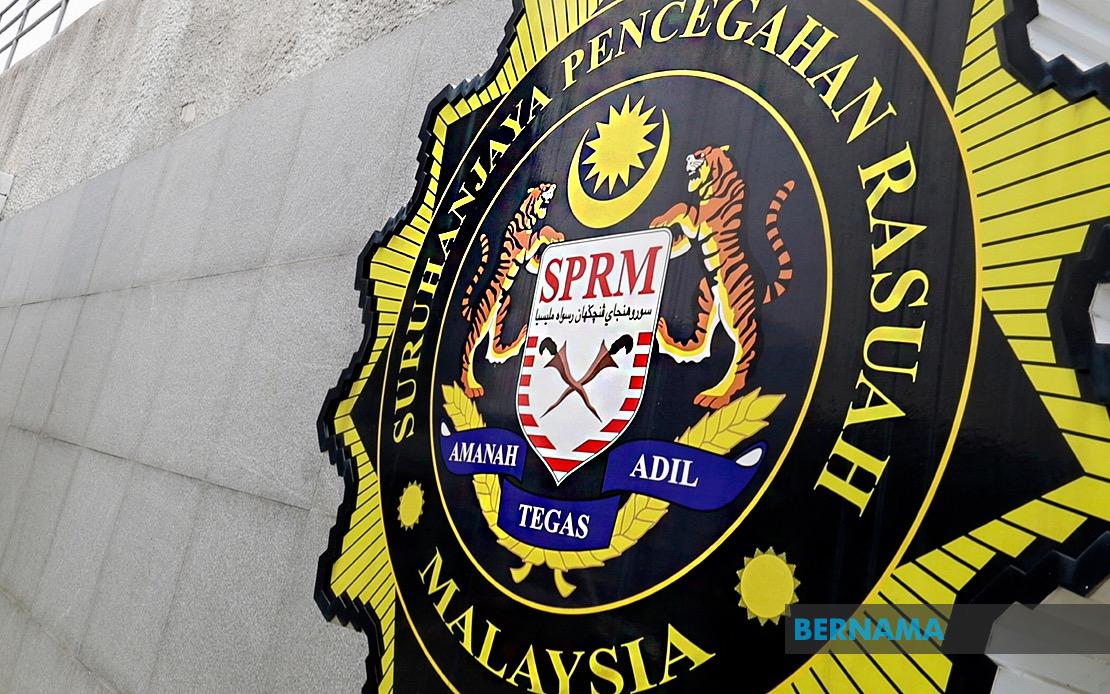
The Malaysian Anti-Corruption Commission has invested in bolstering its technological defences against a emerging class of criminal threats: artificially manipulated digital evidence that could undermine investigations and trials. By sending senior forensic officers to complete the Amped Authenticate certification course in Trieste, Italy, from July 28 to 31, the MACC is positioning itself to handle increasingly sophisticated attempts to falsify or fabricate digital materials used in criminal cases.
The initiative addresses a critical vulnerability in Malaysia's justice system as artificial intelligence and deepfake technology become more accessible to potential bad actors seeking to obscure corruption or plant false evidence. The Technology Forensic Division, which led the training participation, recognised that traditional forensic approaches may prove inadequate when confronted with convincingly altered photographs, manipulated audio recordings, or synthetically generated video that mimics authentic source material. This capability gap could allow sophisticated fraudsters or corrupt officials to exploit ambiguity around digital evidence authenticity during court proceedings.
The Amped Authenticate programme provides systematic methodologies grounded in established scientific principles rather than subjective analysis. Participants learn to apply Photo Response Non-Uniformity analysis, which examines unique sensor characteristics embedded in images from specific cameras, alongside JPEG compression artefact analysis that reveals whether files have undergone editing cycles. Shadow and reflection geometry assessment allows forensic specialists to verify whether lighting, perspective, and spatial relationships within images remain physically plausible, while dedicated deepfake detection protocols identify telltale computational anomalies characteristic of machine-generated content.
Whatever evidence MACC investigators extract from this training gains particular weight because Amped Authenticate reports meet international standards for forensic laboratory accreditation under ISO/IEC 17025. This compliance framework ensures that analysis methods, quality assurance procedures, and documentation practices satisfy rigorous peer review. When MACC officers testify as expert witnesses in corruption trials, they can present findings grounded in transparent, scientifically defensible methodologies aligned with Malaysia's Evidence Act 1950, rather than relying on intuition or unvalidated techniques vulnerable to defence challenge.
The broader context driving this investment reflects a global phenomenon: criminal networks and corrupt individuals increasingly weaponise digital manipulation to create reasonable doubt during prosecutions. In Southeast Asia's complex corruption environment, where high-stakes cases often involve powerful individuals with resources to hire sophisticated technical expertise, the ability to reliably authenticate digital evidence becomes foundational to effective prosecution. Without these capabilities, MACC cases could face suppression of critical evidence or acquittals based on defence arguments that photographs or recordings lack credible provenance.
The four-day course attracted senior participation from across MACC's organisational hierarchy, including Technology Forensic Division director Wan Zulkifli Wan Jusoh and MACC Putrajaya director Mohd Shahril Che Saad, alongside specialist officers Dr Syah Reezal Md Bashah and Muhamad Khairi Mohamad Dain. This leadership-level commitment signals that digital forensics has risen to strategic importance within Malaysia's anti-corruption apparatus, rather than remaining a peripheral technical function. Senior officials understand that corruption investigations increasingly depend on digital evidence—financial transaction records, communications metadata, surveillance footage, and device forensics—meaning that investigators must master technologies for authenticating or challenging this material.
The capabilities developed through this training programme have direct application across Malaysian law enforcement and prosecution. MACC officers now possess tools to scrutinise digital evidence submitted by accused persons claiming that incriminating recordings represent deepfakes or that financial documents have been fabricated. Conversely, they can confidently authenticate their own digital evidence when corrupt officials attempt to manufacture reasonable doubt through technical objections. This symmetry strengthens the overall integrity of the investigative and prosecutorial process by raising evidentiary standards across the board.
Beyond individual case advantages, MACC's investment in Amped Authenticate training contributes to regional capacity-building in Southeast Asia. As other ASEAN nations grapple with corruption and cybercrime, Malaysian expertise in sophisticated digital forensics can inform regional collaboration through Interpol, ASEANAPOL, and bilateral arrangements. The technology skills resident within MACC's Technology Forensic Division become increasingly valuable as an asset for understanding transnational financial crimes and cross-border corruption schemes that commonly involve digital manipulation of evidence trails.
Looking forward, the MACC faces pressure to expand these digital forensics capabilities as criminal sophistication accelerates. Deepfake detection methodologies will require continuous updating as generative AI models improve, and forensic specialists must maintain awareness of emerging attack vectors. The commission's decision to train multiple officers, rather than creating a single point of expertise, builds organisational resilience and ensures that digital forensic capabilities persist as personnel rotate. Establishing this foundation now positions Malaysia to respond effectively as corruption cases increasingly hinge on the authenticity and integrity of digital evidence presented in court.

