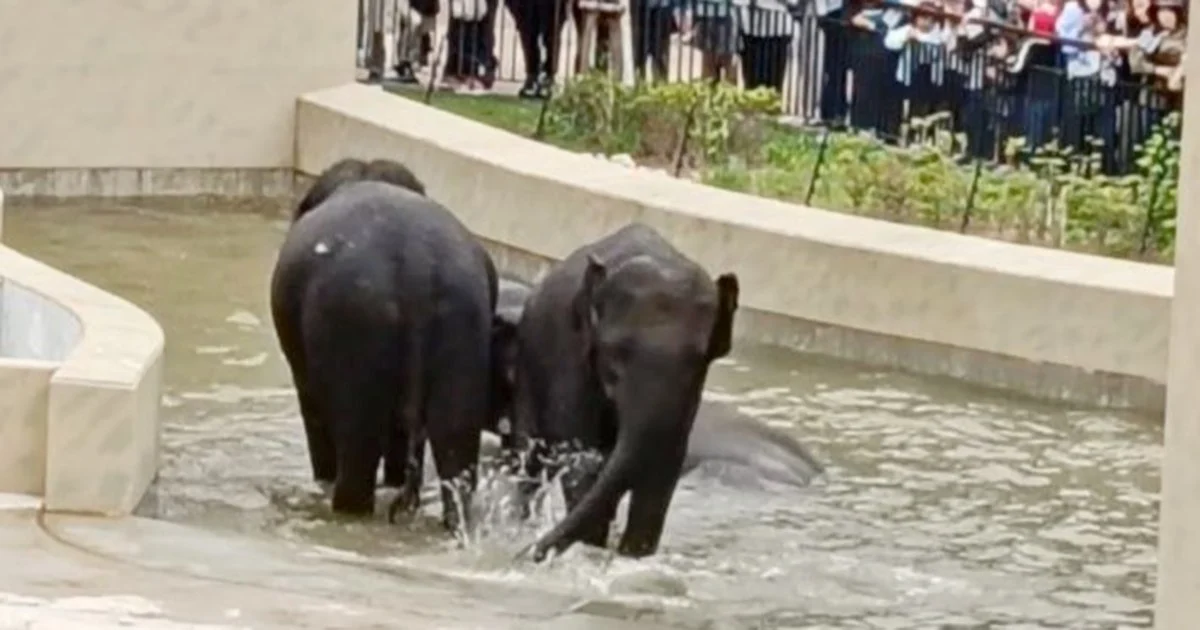
The Malaysian Anti-Corruption Commission has launched an investigation into the Taiping Municipal Council regarding the controversial relocation of three elephants to Tennoji Zoo in Japan, though the scope of the initial inquiry remains narrowly focused on documentary evidence rather than wider fieldwork or interviews.
Officials overseeing the MACC probe in Taiping confirmed that the investigation's current phase concentrates exclusively on gathering and analysing written materials, records, and administrative documentation related to the elephant transfer arrangement. This methodical approach reflects the commission's standard practice in scrutinising municipal-level decisions involving significant asset movements or inter-jurisdictional transactions.
The decision to investigate the Taiping Municipal Council's handling of the elephant transfer reflects broader concerns about transparency and procedural compliance in how local authorities manage public assets and international commitments. The movement of the three animals to Japan's Tennoji Zoo raised questions within governance circles about whether proper approvals were obtained, financial arrangements were transparent, and consultation with relevant stakeholders occurred before proceeding with the transfer.
For Malaysia's wildlife management community, the MACC's intervention signals heightened scrutiny of animal relocation decisions made by municipal bodies. The Taiping Zoo historically held significant importance in Malaysia's conservation and tourism landscape, and decisions affecting its animal population carry implications for the institution's future operations and the region's attraction as a wildlife destination.
The document-centric investigation methodology adopted by MACC typically involves reviewing council minutes, correspondence between municipal officials and external parties, financial records related to the transfer, veterinary reports, and any memoranda of understanding with receiving institutions. This foundational phase establishes whether procedures were followed correctly and whether any irregularities appear in the paper trail before determining whether more extensive investigative measures become necessary.
Tennoji Zoo's acquisition of the three elephants represents a significant development in international animal exchange arrangements involving Malaysian institutions. Such transfers involve multiple approval layers, including assessments by the Department of Wildlife and National Parks, and sometimes the Environment Ministry, to ensure compliance with wildlife protection standards and international animal welfare conventions that Malaysia has committed to respecting.
For Taiping and Perak state more broadly, the investigation touches on important questions about municipal governance and decision-making authority. Local council leadership faces increasing expectations to demonstrate that major decisions affecting public assets follow transparent processes and include proper documentation of the rationale behind such moves. This probe will likely influence how other Malaysian municipalities approach similar future decisions involving valuable institutional assets.
The timing of the MACC investigation also reflects evolving standards regarding public accountability in local government. Malaysian anti-corruption frameworks have progressively extended to scrutinise municipal-level operations more rigorously, recognising that clarity and transparency at grassroots governance levels strengthen public trust in institutions overall. The document review phase will establish baseline facts that either validate the council's decision-making process or identify procedural gaps requiring clarification.
Southeast Asian observers of Malaysian governance will note that this investigation exemplifies how regional anti-corruption agencies are increasingly monitoring decisions by subnational authorities. As Malaysia strengthens institutional checks and balances, local councils must ensure that significant decisions—whether involving financial outlays, international agreements, or asset disposition—maintain thorough documentation and follow established protocols.
The MACC's focused approach on documentary evidence suggests investigators are moving methodically through available records to understand the decision pathway that led to the elephant transfer. This preliminary stage typically takes weeks or months, depending on the volume of materials involved and the clarity of the documentary record. Results from this phase will determine whether further investigative steps become warranted.
For stakeholders involved—including the Taiping Municipal Council, municipal leadership, Tennoji Zoo, and relevant federal wildlife authorities—the investigation's progression will clarify what documentation standards apply to such decisions and where responsibilities ultimately rested. The outcome may influence how Malaysian local authorities approach comparable decisions involving significant institutional assets or international partnerships in future.
The investigation underscores Malaysia's commitment to ensuring that anti-corruption oversight extends beyond federal-level institutions to municipal bodies responsible for managing public resources. By examining the elephant transfer through a governance accountability lens, MACC reinforces expectations that all administrative levels operate with transparency and adherence to established procedures, regardless of whether decisions involve wildlife, infrastructure, or financial matters.

