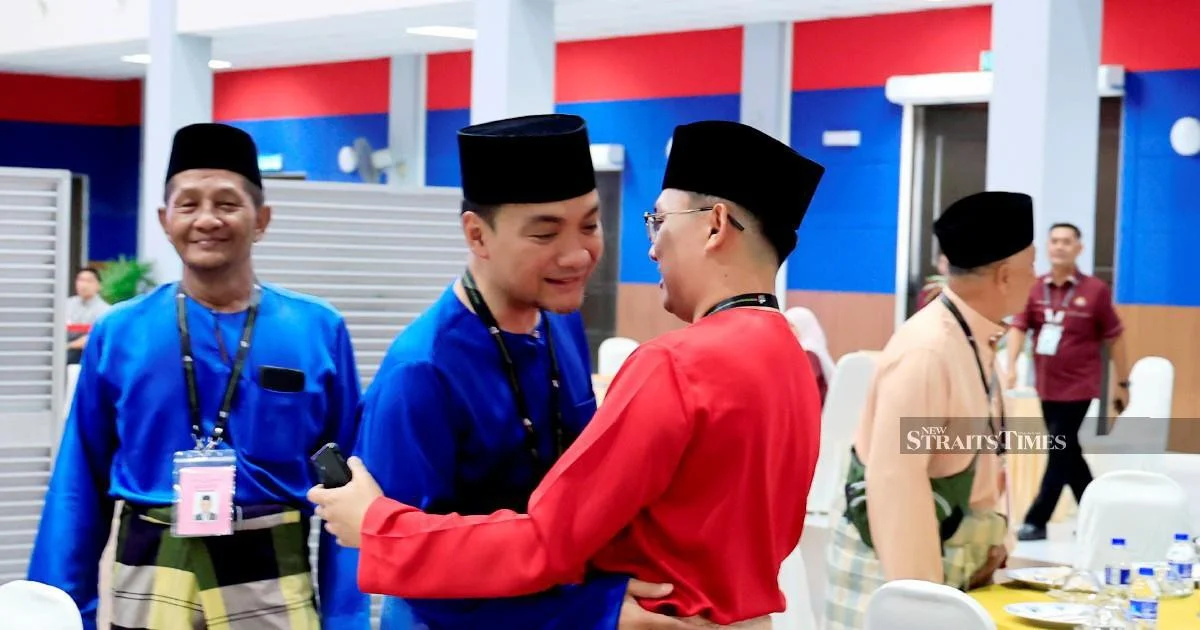
The Machap state assembly seat in Johor has been confirmed as the setting for a straight fight between Barisan Nasional's incumbent Datuk Onn Hafiz Ghazi and his Pakatan Harapan opponent, eliminating the possibility of a three-cornered contest in this closely watched constituency. Onn Hafiz, who currently serves as caretaker Menteri Besar, is seeking to retain his seat during the state election, signalling the BN coalition's determination to maintain control of a critical stronghold in the southern peninsula.
The confirmation of a two-candidate race strips away potential complications that could have fragmented the vote, presenting voters with a clearer choice between the two major political coalitions. This format typically favours established incumbents with strong organisational backing, though it also magnifies the pressure on both camps to mobilise their support bases effectively. For Onn Hafiz, the direct confrontation offers an opportunity to translate his position as caretaker chief minister into electoral advantage, should BN's campaign messaging resonate with Machap constituents.
Machap's significance extends beyond its role as a single constituency. Johor has been a traditional BN bastion, yet the coalition's performance here has faced mounting scrutiny following national political shifts and evolving voter preferences. The state contains 56 assembly seats, and control of the Menteri Besar position depends on coalition mathematics that can shift dramatically based on results in key marginal constituencies like Machap. A comfortable victory for Onn Hafiz would reinforce BN's narrative of returning strength, while a narrow win could embolden opposition narratives about declining support.
Pakatan Harapan's decision to field a candidate directly against the caretaker Menteri Besar underscores the opposition coalition's conviction that it can mount competitive challenges even in traditionally unfavourable terrain. The strategic deployment of resources and candidate selection in Machap will reveal much about PH's confidence levels and resource allocation across Johor's electoral battleground. The presence of a strong PH candidate signals that the opposition is not ceding ground to BN without contention, even in constituencies where historical voting patterns have favoured the ruling coalition.
The electoral context surrounding Machap cannot be divorced from broader Johor dynamics. Recent years have witnessed increased political volatility across Malaysia's states, with voters demonstrating willingness to switch allegiances based on local governance records, personality politics, and national sentiment. Johor's elections carry symbolic weight as a proving ground for political coalitions seeking to demonstrate momentum heading into potential federal contests. Results here will be interpreted as referendums on both BN's federal leadership and PH's viability as a governing alternative.
Onn Hafiz's tenure as caretaker Menteri Besar provides him with certain advantages, including access to state machinery, media prominence, and the ability to announce development projects or allocate resources that could influence constituent sentiment. Conversely, his position also places him under heightened scrutiny regarding governance record, development outcomes in Machap, and his administration's handling of state-level issues. Voters in contested marginal seats often evaluate candidates on tangible delivery rather than coalition politics, making local development and service provision critical battlegrounds.
The confirmation of the straight contest comes as political parties across Malaysia's coalitions finalise their candidate selections and campaign strategies. For BN, maintaining control of Johor is essential to preserving its federal majority and influence, particularly given uncertain dynamics in other states. For PH, competitive performances in traditionally hostile territory such as Johor constituencies help sustain morale and demonstrate that the coalition remains a credible national alternative. Machap therefore becomes a microcosm of the broader political contest shaping Malaysia's electoral landscape.
Voters in Machap will cast their decisions based on a mix of local considerations—infrastructure development, economic opportunities, service quality, and leadership—alongside broader political calculations about which coalition they believe better serves national interests. The straight-fight format means that campaign messaging will likely sharpen considerably, with both candidates presenting contrasting visions of governance and development priorities. Ground organisation and voter turnout will assume heightened importance when the electorate is presented with only two realistic choices.
The Johor state election itself represents one of Malaysia's most significant electoral contests in recent years, carrying implications that ripple beyond the state's borders. How Machap and other key constituencies perform will shape narratives about coalition momentum, state-level governance, and potentially influence calculations about the timing and dynamics of future federal elections. Political analysts will scrutinise voting patterns in constituencies like Machap to discern shifts in support across different demographic and geographic segments, searching for broader trends that might predict outcomes elsewhere.

