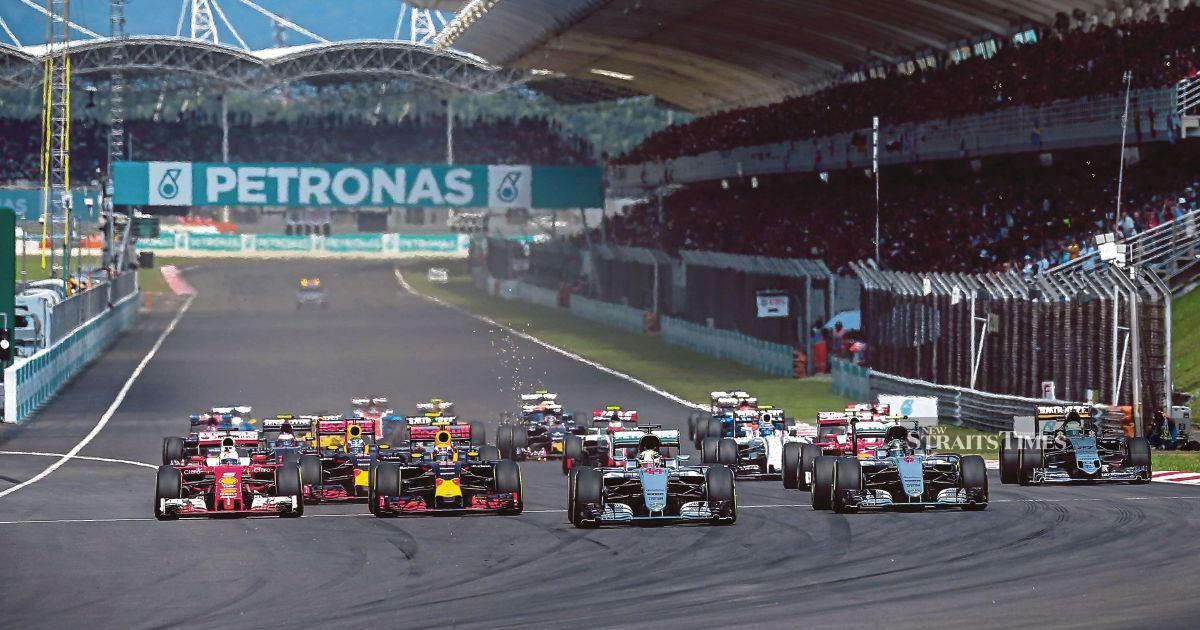
Prime Minister Datuk Seri Anwar Ibrahim has unveiled a special ticket programme designed to make Formula 1 racing accessible to ordinary Malaysians when the sport's elite championship makes its biennial return to the Sepang International Circuit in October. The initiative, branded under the Madani framework that characterises the government's broader policy approach, will offer tickets priced from RM200—a deliberate effort to broaden participation beyond the affluent enclave that typically dominates attendance at international motorsport events.
The affordability threshold represents a significant departure from typical Formula 1 pricing structures, which have historically positioned trackside experiences as luxury commodities accessible primarily to high-income earners and corporate hospitality clients. By anchoring the entry point at RM200, the government aims to acknowledge that genuine motorsport passion transcends wealth demographics. For many Malaysian working families, attendance at a world championship event has remained aspirational rather than achievable; this initiative directly addresses that accessibility gap.
The Sepang International Circuit, located approximately 60 kilometres south of Kuala Lumpur in Selangor, has established itself as Asia's premier Formula 1 venue since hosting the sport's debut in the region during 2001. The circuit's return to the calendar after previous gaps underscores Malaysia's renewed commitment to hosting marquee international sporting events. The October timing positions the race during Malaysia's northeast monsoon season, though the circuit's tropical climate historically produces competitive racing conditions that challenge drivers and showcase vehicle performance across varied weather scenarios.
Formula 1's economics have shifted dramatically in recent years, with ticket prices at marquee circuits in Europe and the United States escalating beyond RM1,000 for basic general admission. This Malaysian initiative contextualises local aspirations differently: rather than extracting maximum revenue per attendee, the government prioritises volume participation and domestic fan engagement. The strategy reflects broader Madani principles emphasising inclusivity and shared prosperity—values that extend beyond traditional policy domains into lifestyle and cultural accessibility.
The timing of this announcement carries additional significance given Malaysia's broader positioning within the competitive international motorsport calendar. Southeast Asia's emerging economies increasingly view motorsport sponsorship and hosting as markers of economic maturity and technological capability. By emphasising domestic accessibility rather than merely showcasing luxury consumption, Malaysia establishes a distinctive narrative: motorsport as a democratic rather than exclusively elite experience.
Ticketing mechanisms for the initiative remain subject to further announcement, but the RM200 threshold likely encompasses general admission to designated viewing areas rather than premium grandstand positions. This tiered approach allows the government to achieve multiple objectives simultaneously: delivering authentic value to budget-conscious enthusiasts while maintaining revenue from corporate clients and VIP attendees willing to pay premium rates. Such stratification is entirely consistent with Formula 1's global operational model.
The Malaysian motorsport community has responded enthusiastically to news of the circuit's return. Domestic racing talent, including former and aspiring drivers pursuing international careers, view home Grand Prix events as crucial platforms for networking, sponsorship visibility, and showcasing technical competence before global audiences. Beyond competition itself, hosting Formula 1 generates substantial economic activity across hospitality, transportation, retail and catering sectors—benefits that permeate metropolitan Klang Valley and surrounding regions.
Sepang's October hosting also strategically positions Malaysia within the global Formula 1 calendar, typically dominated by European and Gulf venues. Asian representation remains limited relative to regional economic significance; Malaysia's race presence reinforces the continent's competitive importance to sport organisers and broadcasters alike. For young Malaysians interested in motorsport careers—whether as drivers, engineers, or support professionals—observing the sport's highest level locally provides invaluable inspiration and practical exposure.
The initiative reflects broader government recognition that major sporting events generate benefits extending well beyond immediate spectator satisfaction. Tourism promotion, infrastructure visibility, and soft power projection all factor into the calculus supporting Formula 1 investment. International media coverage of the October race will inevitably highlight Malaysian hospitality, technological preparedness, and organisational competence—intangible assets that enhance the country's global standing.
Ticket distribution mechanisms will require careful management to prevent secondary market speculation or systematic inequitable allocation. Previous Malaysian sporting events have confronted challenges around equitable access when popular events sell rapidly or face logistical constraints. The government's commitment to genuine affordability suggests serious consideration of these operational details, though specific protocols remain pending formal announcement.
Looking forward, the Madani ticket initiative establishes a precedent that affordable access to world-class sporting events remains compatible with hosting standards and financial sustainability. As Malaysia navigates post-pandemic economic recovery and intensifying regional competition for international events, approaches that democratise high-profile experiences while maintaining operational excellence will likely influence decisions about future sporting investments and the fundamental philosophy guiding Malaysia's position within global entertainment hierarchies.

