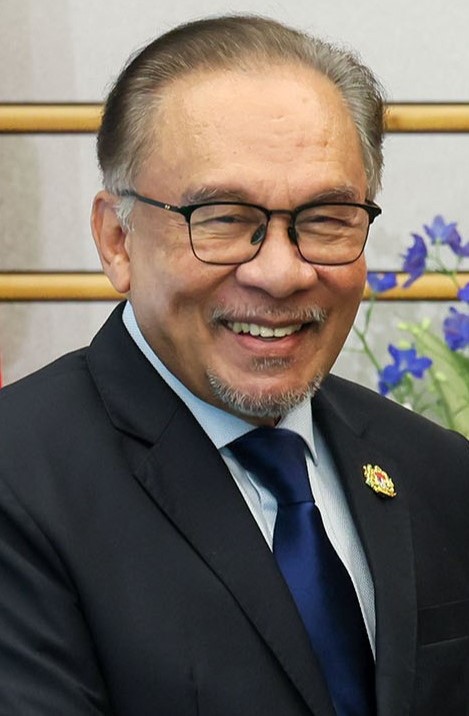
The MADANI government is doubling down on its Ziarah Kasih direct assistance programme, positioning it as a cornerstone of its broader commitment to improving the welfare of ordinary Malaysians. Speaking during an outreach event in Mersing on June 23, Abdullah Izhar Mohamed Yusof, political secretary to the Communications Minister, underscored that the initiative represents more than symbolic aid—it embodies the government's pledge to maintain regular, tangible support for those navigating genuine hardship. The programme channels assistance to individuals and families who have been vetted through the Department of Information and Komuniti MADANI structures, ensuring that resources reach those facing the most pressing material constraints.
The Ziarah Kasih approach reflects a deliberate shift towards ground-level engagement with vulnerable populations, moving beyond policy announcements to direct interaction. By coupling financial transfers with the provision of essential equipment and healthcare supplies, the government seeks to address both immediate material needs and longer-term quality-of-life concerns. Abdullah Izhar framed this strategy as integral to the Malaysia MADANI aspiration, which centres on elevating people's well-being as a primary governmental objective. The regular implementation of such outreach reinforces the administration's narrative that it remains attuned to grassroots realities rather than insulated within bureaucratic structures.
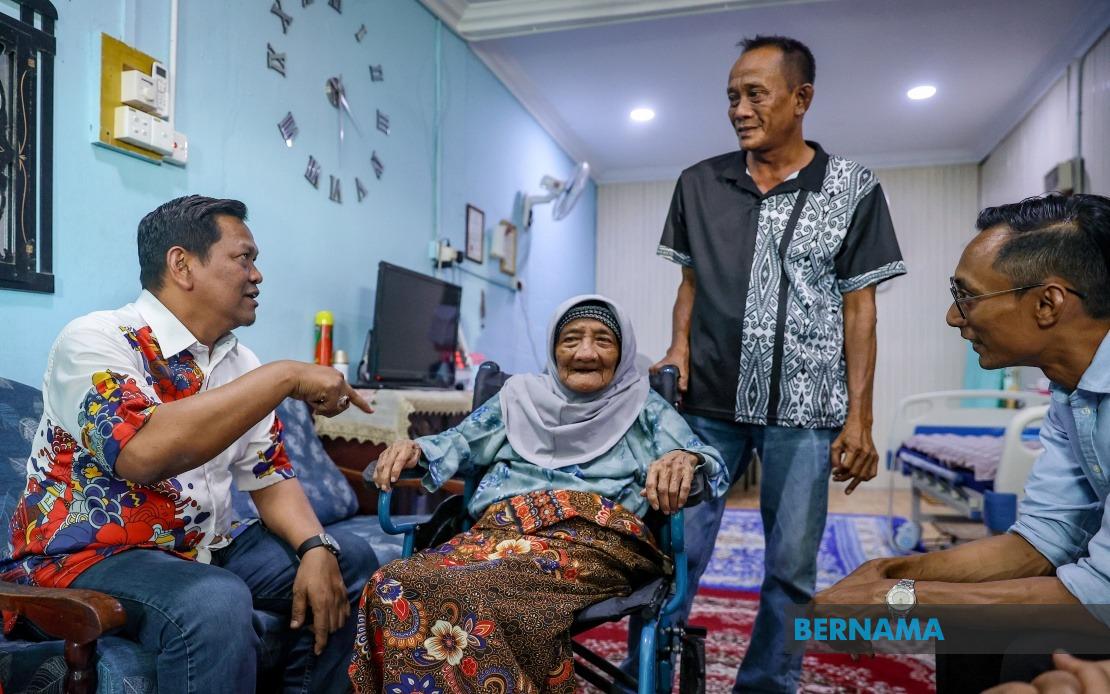
The human dimension of the programme emerged clearly during the Jiwa@Komuniti MADANI Sembang Santai World Cup Edition event held in Endau. Among those assisted was Hamdan Abd Latif, a 71-year-old bedridden resident whose health trajectory encapsulates the cascading vulnerabilities that Ziarah Kasih aims to mitigate. A retired firefighter, Hamdan's condition traces back to a fishing accident in 2011 that occurred just weeks before his scheduled retirement. What initially appeared as a manageable injury took a devastating turn when medical assessment revealed a brain tumour requiring surgical intervention. Though the tumour was eventually cleared, the underlying trauma and subsequent stroke have rendered him largely immobile, forcing his wife Meriam Abd Wahab, now 66, into full-time caregiving at an age when many would anticipate reduced responsibilities.
Meriam's situation illustrates a broader phenomenon affecting Malaysian households: the economic penalties imposed on family members who abandon workforce participation to provide care. She disclosed that she had previously supplemented household income through sewing work, an informal sector activity common among Malaysian women managing dual responsibilities. Her transition into exclusive caregiving status represents not merely a lifestyle change but a concrete erosion of household earning capacity at a time when medical expenses and daily care requirements have intensified. The assistance provided through Ziarah Kasih, while welcomed, functions as a partial cushion rather than a comprehensive solution to the structural vulnerabilities facing households dependent on informal and precarious income sources.
Another case highlighting the programme's relevance involves Zainon Ibrahim, a 91-year-old widow now entirely dependent on care from her son Jamaluddin Ismail, 64, a former supervisor who terminated his employment approximately two years prior to assume caregiving duties full-time. This arrangement, while demonstrating strong familial commitment, mirrors the economic sacrifice increasingly demanded of adult children in Malaysia as extended family care networks contract and formal aged-care infrastructure remains underdeveloped. Jamaluddin's siblings contribute what support they can, but the primary burden has shifted to his shoulders, effectively removing a productive earner from the formal labour market. The son's gratitude for the government assistance signals recognition that state support, however modest, eases pressure on household budgets already stretched thin by medical and nutritional requirements of an elderly dependent.
The sustainability and scalability of Ziarah Kasih remain pertinent questions for policymakers. While the programme demonstrates genuine intent to address vulnerability through direct intervention, the identification and outreach methodology relying on Department of Information coordination suggests capacity constraints typical of government systems managing dispersed, often hard-to-reach populations. Malaysia's vulnerable elderly population extends well beyond those participating in visible government outreach events, particularly in rural areas where social services penetration remains uneven. The visibility of such assistance during formal state visits may also create perceptions of selective beneficiary selection, though officials maintain that targeting follows objective vulnerability criteria.
From a regional perspective, Malaysia's approach to elder care and household vulnerability reflects broader Southeast Asian trends where rapid demographic ageing, changing family structures, and limited formal safety nets create acute pressures. Unlike developed economies with mature pension systems and institutionalised care infrastructure, Malaysia—alongside peers like Thailand, Vietnam, and the Philippines—grapples with providing dignified support to growing elderly populations whilst managing expectations around filial care obligations. The Ziarah Kasih model, centred on direct state engagement rather than institutional provision, represents one regional variation on addressing these pressures, though critics argue it remains insufficient without concurrent reforms to healthcare accessibility, long-term care financing, and employment protections for informal caregivers.
The programme's positioning within the Malaysia MADANI framework suggests the government views vulnerable population support as integral to its core governance philosophy. By emphasising regular implementation and expanded reach, officials are signalling that Ziarah Kasih will not be relegated to occasional charity drives but sustained as an ongoing policy mechanism. This framing carries electoral significance in a competitive political environment where delivering tangible benefits to swing constituencies and lower-income voters shapes electoral calculus. The Mersing event itself, held during the World Cup season, demonstrates the government's attempt to embed welfare messaging within broader community engagement formats that blend entertainment, cultural content, and service delivery.
Looking forward, the programme's expansion and effectiveness will depend partly on resource allocation decisions in coming budgets and partly on administrative capacity to identify and reach Malaysia's truly most vulnerable households. The testimonies from Hamdan and Zainon reveal individuals already known to social service systems, raising questions about whether Ziarah Kasih adequately penetrates isolated or marginalised communities less likely to interface with government structures. Policymakers considering programme enhancements might examine whether combining direct assistance with investment in formal elder-care training, caregiver income support schemes, and preventive health services could multiply the initiative's developmental impact beyond temporary relief.