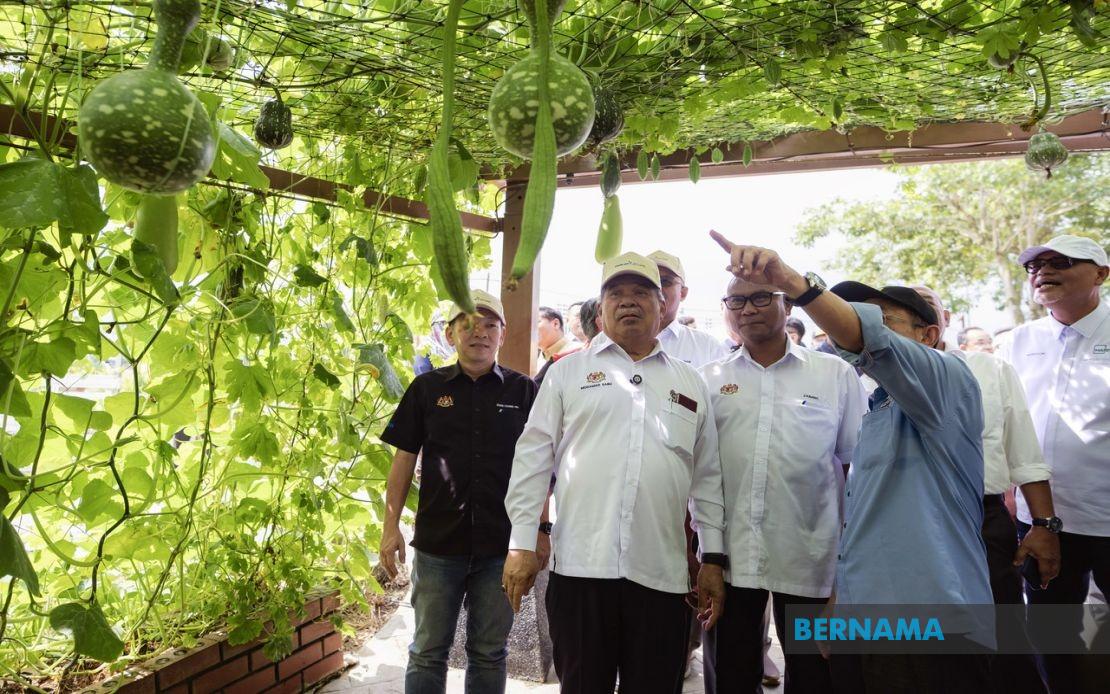
Infrastructure at Malaysia Agro Exposition Park Serdang (MAEPS) is substantially finished, with Agriculture and Food Security Minister Datuk Seri Mohamad Sabu confirming that the Malaysia Agriculture, Horticulture and Agrotourism Exhibition (MAHA) 2026 will be entirely operational when the gates open on August 28. During an inspection of the venue on August 19, Mohamad indicated that final installation work at individual exhibition zones would be completed by August 27, allowing a full day of preparation before public entry begins.
The exhibition, running through September 6, represents a significant investment in promoting technological advancement within the nation's agricultural sector. Mohamad will preside over the opening ceremony, with Prime Minister Datuk Seri Anwar Ibrahim scheduled to officiate the closing. This year's central theme, 'Penciptaan Nilai Demi Keterjaminan Makanan', reflects government priorities to ensure food security through value-creation along agricultural production chains.
The showcase will highlight transformative technologies reshaping farming practices across Malaysia and internationally. Automated machinery, self-driving vehicles, and drone applications in paddy, pineapple, and melon farming will feature prominently, drawing parallels with advanced agricultural systems already operating in nations such as China and the Netherlands. These demonstrations are designed to inspire local farmers and agribusiness operators to adopt similar innovations in their own operations.
Beyond machinery, MAHA 2026 emphasises what industry specialists call downstream integration—the process by which primary producers move beyond selling raw commodities to participate in value-added processing. Mohamad highlighted examples including milk production from dairy herds, pineapple processing, and cassava-based products. By encouraging farmers to develop processing capabilities or form partnerships with processing enterprises, the exhibition aims to increase profit margins and create employment opportunities throughout rural communities.
A distinctive cultural element will be Perkampungan Abang Mat, a dedicated village space celebrating Malaysia's agricultural heritage and communal food traditions. Throughout the 10-day event, 'rewang' demonstrations—traditional collective cooking practices—will be performed daily, alongside exhibitions of regional cuisine and heritage games such as congkak. This programming recognises that agricultural identity encompasses not merely economic activity but also social cohesion and cultural continuity.
Family-oriented entertainment has been carefully integrated into the overall visitor experience. Beyond heritage activities, organisers will conduct daily prize draws featuring motorcycles and household appliances, with 20 motorcycles distributed across the exhibition period. Such incentives serve to encourage repeat visits and extend visitor dwell time, thereby amplifying the commercial opportunities for participating exhibitors.
Projections indicate the event will attract upwards of four million visitors, with approximately 800,000 youths expected to attend programmes specifically addressing automation and agricultural modernisation. This emphasis on younger demographics reflects government recognition that Malaysia's agricultural sector must attract fresh talent and digital-native workers to sustain competitiveness. Mohamad has initiated discussions with the Education Ministry to incorporate MAHA activities into school curricula through co-curricular engagement, potentially transforming the exhibition into an educational institution.
The exhibition will accommodate roughly 2,000 exhibitors sourcing from both domestic and international origins, representing 14 countries. Kenya's participation marks a first-time pavilion presence, opening avenues for bilateral agricultural technology exchange and potential investment collaboration. International presence elevates MAHA beyond a domestic marketplace into a regional and global platform where Malaysian innovations can be benchmarked against global standards and where foreign entities can evaluate Malaysian agricultural capabilities and market opportunities.
For Southeast Asian observers, MAHA 2026 signals Malaysia's strategic positioning within regional agricultural dialogue and development initiatives. By hosting a major international agricultural exhibition, Malaysia reinforces its commitment to modernisation and positions itself as a hub for technology adoption in a region where agricultural productivity directly impacts food security. The event provides neighbouring nations with insights into technological pathways and value-chain strategies applicable to their own agricultural sectors, while simultaneously advancing Malaysian commercial interests through enhanced international visibility and potential bilateral partnerships.

