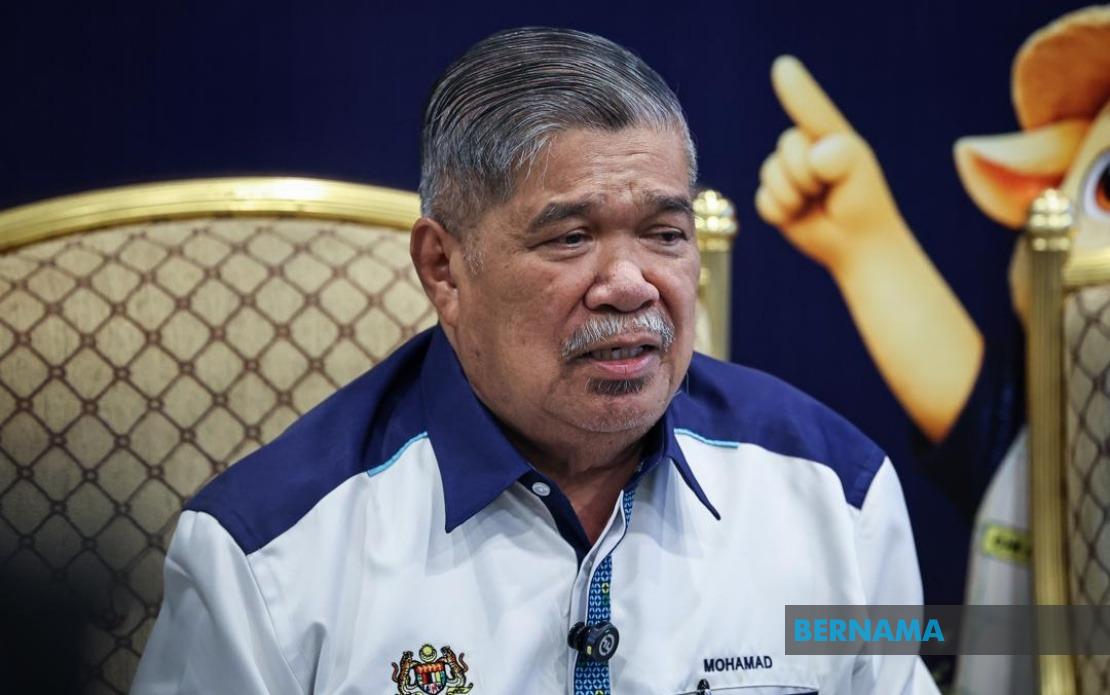
The Malaysia Agriculture, Horticulture and Agrotourism Show, or MAHA 2026, has kicked off with a health advisory from Agriculture and Food Security Minister Datuk Seri Mohamad Sabu, who encouraged attendees to take precautions against the prevailing environmental conditions. Speaking at the official opening ceremony at the Malaysia Agro Exposition Park Serdang (MAEPS), Mohamad emphasised that wearing face masks would serve as an important safeguard for public health during what organisers anticipate will be record-breaking visitor weeks.
The timing of this advisory is particularly significant as Malaysia enters its school holiday period, traditionally a peak season for family outings and leisure activities. With the weather turning hotter and air quality declining due to haze in several regions, the ministry recognised that large crowds gathering at outdoor and semi-outdoor agricultural venues could exacerbate health risks for vulnerable groups, including children, the elderly, and those with respiratory conditions. The minister's recommendation reflects a pragmatic approach to balancing public engagement with major events against environmental health realities.
First-day attendance figures underscored the magnitude of the event, with organisers recording 140,000 visitors within the opening 24 hours. This robust turnout signals sustained public interest in Malaysia's agricultural showcase and positions the event on track to achieve its ambitious four-million-visitor target over the nine-day run through September 6. Such numbers also validate the ministry's concerns about density-related health considerations during the ensuing weeks, when school holidays and weekend gatherings would likely drive even higher footfall.
Mohamad's remarks were delivered alongside Deputy Agriculture and Food Security Minister Datuk Chan Foong Hin and the ministry's Secretary-General Datuk Seri Isham Ishak, signalling institutional coordination on the issue. The presence of senior officials at the press conference underscored the ministry's commitment to balancing promotional messaging about the event with authentic public health guidance. Rather than downplaying environmental challenges, the official approach opted for transparency and proactive health communication.
The 2026 edition operates under the thematic framework "Penciptaan Nilai Demi Keterjaminan Makanan"—Creating Value for Food Security—reflecting Malaysia's ongoing policy emphasis on agricultural self-sufficiency and rural development. The show assembles approximately 2,000 exhibitors, representing the breadth of Malaysia's agricultural, horticultural, and agrotourism sectors. For many participants, particularly small and medium-sized enterprises, MAHA represents a crucial platform for direct consumer engagement and market expansion.
Beyond the health advisory, MAHA 2026 programming extended into Malaysia's national calendar celebrations. Mohamad invited the public to join Merdeka Eve festivities at MAEPS the following evening, featuring drone and fireworks displays. This integration of patriotic observance with agricultural promotion demonstrates how major national events increasingly serve dual functions—celebrating heritage while advancing sectoral economic objectives. For visitors already planning to attend the show, the Merdeka activities provided additional entertainment value and extended stay incentives.
The haze conditions referenced in the advisory reflect broader Southeast Asian environmental challenges that periodically affect Malaysia during monsoon transition periods and harvest seasons in neighbouring regions. While transboundary haze has been a recurring concern, particularly affecting air quality in the Klang Valley and Johor regions, the advisory's emphasis on voluntary mask-wearing represents a measured response that acknowledges risk without resorting to operational restrictions. This balanced messaging allows the show to proceed while empowering visitors to make informed personal health decisions.
From a sectoral perspective, the scale of MAHA 2026 demonstrates agriculture's continued cultural and economic significance within Malaysia's portfolio. The show attracts diverse demographics—farmers seeking innovation and networking, consumers interested in direct-from-producer purchasing, school groups studying agricultural techniques, and families enjoying agrotourism experiences. This diversity means health messaging must address varied risk profiles and concerns, necessitating flexible rather than prescriptive guidance.
The advisory also reflects evolving public health communication in Malaysia post-pandemic. Rather than alarm-based messaging, the ministry adopted a recommendation framework that acknowledges environmental conditions without suggesting cancellation or avoidance. This approach demonstrates institutional learning about balancing economic and social event continuity with genuine health considerations—a delicate equilibrium that policymakers across Southeast Asia continue to negotiate.
For visitor planning purposes, the mask advisory carries practical implications, particularly for those with underlying respiratory conditions or caring for vulnerable family members. While masks remain optional, their recommendation legitimises their use without social friction and encourages people to travel prepared. This framing also implicitly encourages venue operators and exhibitors to consider air quality at their display areas, potentially spurring investment in small-scale ventilation improvements or covered spaces.
The success of MAHA 2026 will ultimately be measured not only by attendance figures but by the quality of experience and outcomes for participants. From the ministry's perspective, maintaining public confidence in large-scale agricultural events during challenging environmental periods serves long-term sector interests by normalising farmer-to-consumer engagement and rural tourism. The health advisory, rather than undermining this objective, reinforces institutional credibility by demonstrating that organisers prioritise attendee welfare alongside event logistics.
Looking forward, the nine-day duration provides organisers with real-time data on visitor patterns, health incident rates, and environmental conditions. This information will inform future event planning and potentially guide subsequent health protocols for large outdoor agricultural gatherings. As Malaysian agriculture increasingly incorporates agrotourism and experiential components, establishing robust but flexible health management frameworks becomes strategically important for sector sustainability and public confidence.

