Malaysia's aviation infrastructure is entering a new phase of expansion with the groundbreaking of a RM80 million air cargo logistics complex at Subang Airport, a landmark collaboration between Malaysia Airports Holdings Berhad (MAHB) and Japanese real estate giant Mitsui Fudosan. The project represents a strategic pivot towards capitalising on underutilised airport assets while attracting international expertise to strengthen Malaysia's position in regional air freight markets.
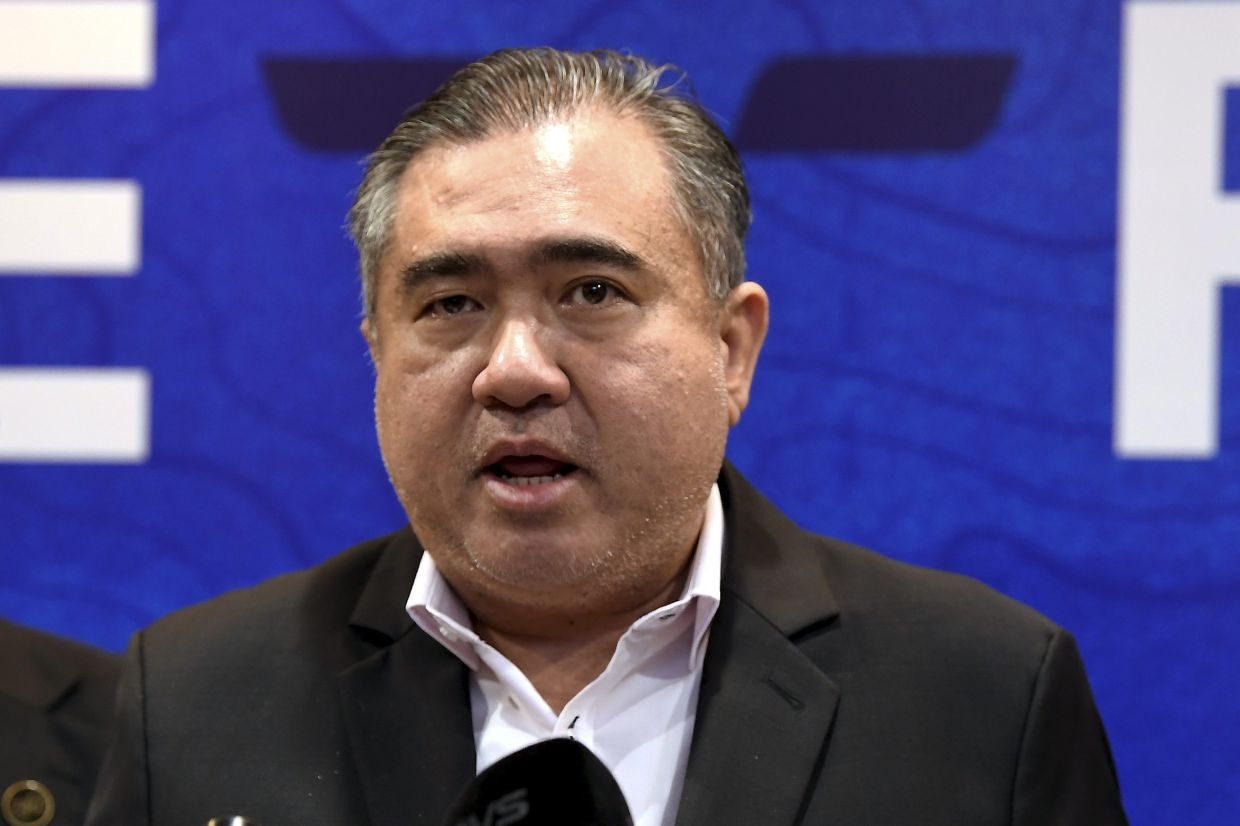
Transport Minister Anthony Loke Siew Fook articulated the partnership's underlying logic at the ceremony: MAHB seeks to unlock value from its substantial land holdings by partnering with companies possessing proven operational track records in logistics infrastructure. Mitsui Fudosan's experience developing and managing similar complexes at Tokyo's Haneda Airport—one of Asia's busiest aviation hubs—provides a template for mitigating risks and optimising returns on investment. This approach reflects a broader global trend among airport operators to move beyond mere facility ownership towards active participation in value-added logistics businesses.
The joint venture, structured through MFMA Industrial Sdn Bhd, pairs MAHB's intimate knowledge of Malaysian aviation markets with Mitsui Fudosan (Asia) Malaysia's international development expertise. The venture also brings together Datuk Mohd Izani Ghani, MAHB's managing director, and Masayoshi Saito, Mitsui Fudosan's Malaysia operations chief, signalling senior-level commitment to the initiative. The presence of Embassy of Japan Minister Daisuke Nihei underscored the diplomatic significance of deepening Malaysia-Japan economic ties through aviation infrastructure.
Spanning 1.78 hectares within Subang Aerotech Park, the facility will occupy approximately 254,420 square feet of gross floor area, with a flexible tenancy model designed to accommodate diverse operator requirements. This modularity responds to the heterogeneous needs of maintenance, repair and overhaul services, freight forwarding, packaging, and allied logistics functions that characterise modern air cargo ecosystems. The strategic positioning within Subang's existing aerospace and aviation cluster offers immediate synergies with established operators and supply chain networks across the Klang Valley region.
The timeline projects completion by the third quarter of 2027, with commercial operations commencing in the fourth quarter of that year. This four-year development window allows Mitsui Fudosan to apply international best practices in construction, safety, and sustainability standards while accommodating Malaysia's environmental and regulatory frameworks. The phased approach also permits pre-opening marketing to prospective tenants, potentially securing anchor clients before the facility opens.
Loke's remarks contextualised this project within a comprehensive national air cargo strategy. Malaysia currently relies heavily on Penang's semiconductor manufacturing ecosystem, which generates approximately 75 percent of the country's total air cargo throughput. This concentration presents both an opportunity and a vulnerability—while high-value electronics exports provide robust demand, the economy's dependence on a single geographic hub and industry vertical exposes the country to supply chain disruptions and cyclical downturns in semiconductor markets.
To address this imbalance, the government is pursuing a multi-airport approach. Kuala Lumpur International Airport is being positioned as ASEAN's regional air cargo gateway through a strategic collaboration with China, potentially unlocking direct connections to the world's second-largest economy and manufacturing powerhouse. This initiative positions KLIA not merely as a domestic distribution point but as a transhipment hub serving broader Southeast Asian markets, competing directly with Singapore's Changi Airport and Bangkok's Suvarnabhumi.
Sabah represents another frontier. The ministry is working with the state government to repurpose Kota Kinabalu International Airport's Terminal 2 as a dedicated air cargo facility. For an economy increasingly focused on high-value agricultural exports, pharmaceutical products, and downstream oil and gas services, an eastern Malaysian air cargo hub offers logistics advantages while stimulating economic diversification beyond traditional extractive industries. The Subang complex, by contrast, serves the peninsular manufacturing heartland and positions Malaysia's central region to capture intra-ASEAN trade flows.
The partnership model itself reflects evolving thinking within Malaysia's aviation sector. Rather than MAHB attempting to develop and operate complex logistics facilities independently, the collaboration with a Japanese partner transfers operational risk and brings international standards and customer relationships. For Mitsui Fudosan, the investment represents expansion into Southeast Asia's fastest-growing aviation markets, with Malaysian operations serving as a beachhead for broader regional growth. This mutuality of interest typically produces more durable partnerships than simple vendor relationships.
From a macroeconomic perspective, the RM80 million investment triggers multiplier effects throughout the construction and services sectors. Employment during development and permanent jobs in facility operations, logistics services, and ancillary businesses will contribute to formal sector growth in the Selangor region. More significantly, by reducing air cargo handling bottlenecks and improving service quality, such facilities enhance Malaysia's competitiveness for high-value manufacturing and time-sensitive exports—sectors increasingly critical as the country navigates post-pandemic economic restructuring.
The timing also reflects broader regional geopolitical currents. Japan's deepening infrastructure investments across ASEAN, particularly in transportation and logistics, reflect Tokyo's strategy to diversify supply chains away from China and strengthen partnerships with trusted allies. Malaysia's strategic location on major maritime routes, combined with stable governance and established Japanese business communities, makes it an attractive destination for such investments.
As the project progresses toward 2027, its success will likely influence future MAHB strategy regarding asset monetisation and the attractiveness of similar partnerships at other Malaysian airports. If MFMA Industrial delivers competitive logistics services that attract quality tenants and generate attractive returns, the model may be replicated at secondary airports across Peninsular Malaysia and East Malaysia, fundamentally reshaping how Malaysia approaches airport-based economic development and air cargo competitiveness within the region.

