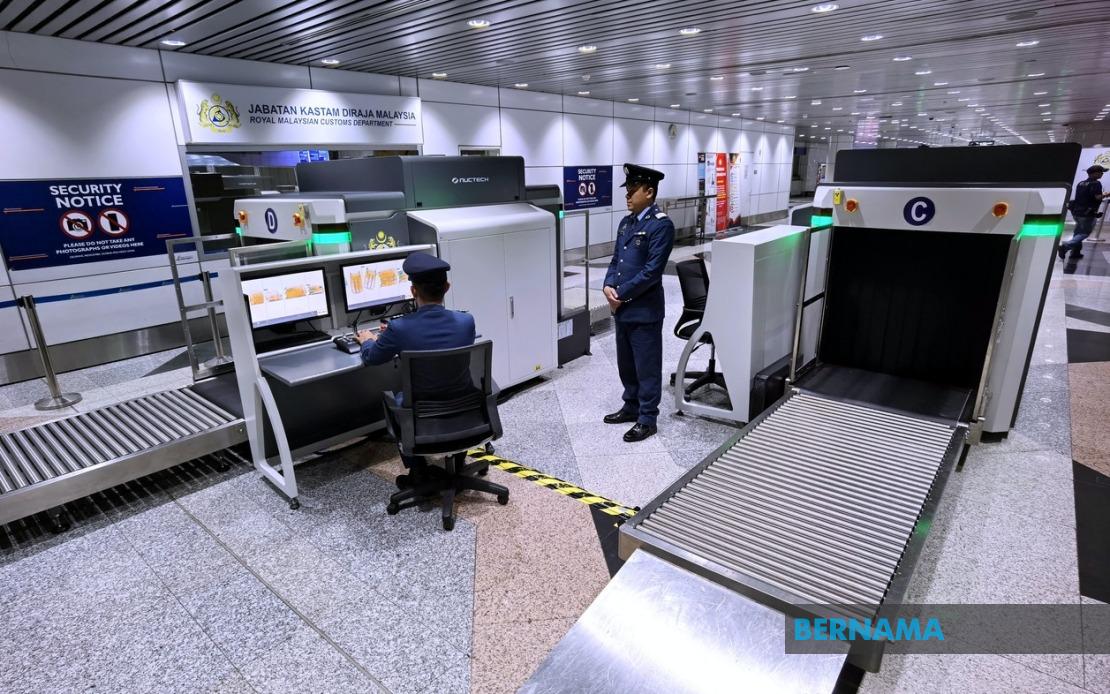
Malaysia Airports Holdings Bhd has reasserted its dedication to working alongside government enforcement agencies in combating illegal activities at the nation's borders, specifically responding to the arrest of a 39-year-old Malaysian pilot in Indonesia on suspicion of attempting to smuggle narcotics. The airport operator's statement comes as civil aviation authorities have initiated their own investigation into whether proper security protocols were observed during the incident, signalling a broader institutional review of baggage screening and crew procedures across the country's aviation network.
The arrested pilot arrived in Indonesia from Malaysia on July 29 carrying approximately 70,114 ecstasy pills and four grammes of methamphetamine, with Indonesian authorities valuing the seized consignment at Rp60 billion. Preliminary findings suggest the suspect had engaged in repeated smuggling operations into Indonesia and potentially maintained connections to a larger international trafficking organisation, prompting investigators to pursue leads on co-conspirators and intended recipients of the contraband. The case has exposed vulnerabilities in how crew members—who typically enjoy streamlined airport procedures—interact with existing security frameworks.
MAHB's position distinguishes between its core aviation security mandate and the complementary roles of other law enforcement bodies. The airport operator's Aviation Security team focuses specifically on threats directly endangering civil aviation operations, employing advanced detection systems to identify explosives, weapons, and other materials that could compromise flight safety. This specialised remit means MAHB's responsibility centres on mechanisms designed to protect passengers and aircraft rather than the broader customs and narcotics enforcement functions that fall to the Royal Malaysia Police, the Royal Malaysia Customs Department, and other agencies operating within airport terminals.
The baggage handling infrastructure at Kuala Lumpur International Airport operates under security protocols requiring all checked luggage—whether belonging to passengers or airline crew—to undergo mandatory aviation security screening before departure. These systems represent substantial capital investments and technological sophistication, yet their primary design objective remains preventing aviation-specific threats rather than detecting all categories of contraband. This functional separation creates operational dependencies: while MAHB provides screening infrastructure and security personnel, the actual investigation and prosecution of drug-related offences depends on customs and police authorities with statutory responsibility for narcotics enforcement.
Between January and July of this year, KLIA's security teams partnered with the Royal Malaysia Police to intercept more than thirty separate smuggling attempts involving illegal substances transiting through the airport. These statistics underline the scale of enforcement activity required to maintain border integrity, though they also suggest that despite collaborative efforts and technological safeguards, determined traffickers continue attempting to exploit airport infrastructure. The frequency of interceptions indicates the challenge authorities face in maintaining vigilance across the enormous volume of passenger and crew movements through the country's largest international gateway.
The Civil Aviation Authority of Malaysia has initiated a regulatory assessment to determine whether airlines and airport operators complied with established aviation security requirements in connection with the pilot's case. Datuk Capt Norazman Mahmud, CAAM's chief executive, indicated the investigation would examine the airline's adherence to security protocols and evaluate MAHB's screening procedures from a compliance perspective. This inquiry suggests potential procedural gaps or inconsistencies that warranted official scrutiny, though preliminary details remain undisclosed pending investigation completion.
For Malaysian aviation stakeholders, the incident raises important questions about crew member privileges within airport security environments. Commercial pilots and airline personnel typically benefit from expedited processing to accommodate flight schedules, yet this operational convenience creates potential vulnerabilities when individuals exploit their status. Airlines and airport operators must balance legitimate efficiency concerns against the necessity for consistent security scrutiny, a tension that the current case highlights acutely. The challenge intensifies given Malaysia's position as a major regional aviation hub and the legitimate need to maintain competitive operational efficiency.
The broader Southeast Asian context adds significance to this case, as transnational drug trafficking networks frequently exploit regional air routes and porous border controls. Malaysian airports function as critical nodes within smuggling logistics, particularly for narcotics destined for markets in other Southeast Asian nations, Australia, and beyond. The international dimensions evident in investigators' suspected links to a trafficking network underscore how effectively organised criminal groups exploit aviation infrastructure, and Malaysia's vulnerability to becoming a transit point within larger smuggling operations.
MAHB's renewed commitment reflects institutional awareness that reputational risk accompanies high-profile enforcement failures, particularly when involving staff misconduct or security breaches at a facility as strategically important as KLIA. The airport operator's emphasis on multi-agency cooperation and information sharing acknowledges that no single organisation can effectively combat sophisticated criminal operations. This collaborative framework relies on regular communication between MAHB security personnel, law enforcement agencies, and aviation regulators to identify patterns, share intelligence, and coordinate enforcement efforts.
Looking forward, the incident may precipitate policy adjustments regarding crew member baggage handling, enhanced intelligence sharing protocols, and potentially revised procedures governing expedited processing for aviation personnel. Whether additional regulatory requirements emerge depends partly on CAAM's investigation findings and institutional recommendations. Such measures must carefully balance security imperatives against the practical operational needs of a major international airport, avoiding excessive friction that might disadvantage Malaysia's competitiveness in the regional aviation market.
The case ultimately illustrates the persistent challenge facing border security authorities in maintaining effective oversight across multiple threat categories simultaneously. MAHB's reiteration of commitment to enforcement cooperation represents standard institutional positioning, yet it masks the genuine operational complexity of detecting narcotics trafficking within a system optimised primarily for aviation safety threats. As investigations proceed and regulatory reviews conclude, the coming months will reveal whether Malaysian authorities identify systemic weaknesses requiring correction or whether the incident represents an aberration within generally effective security protocols.

