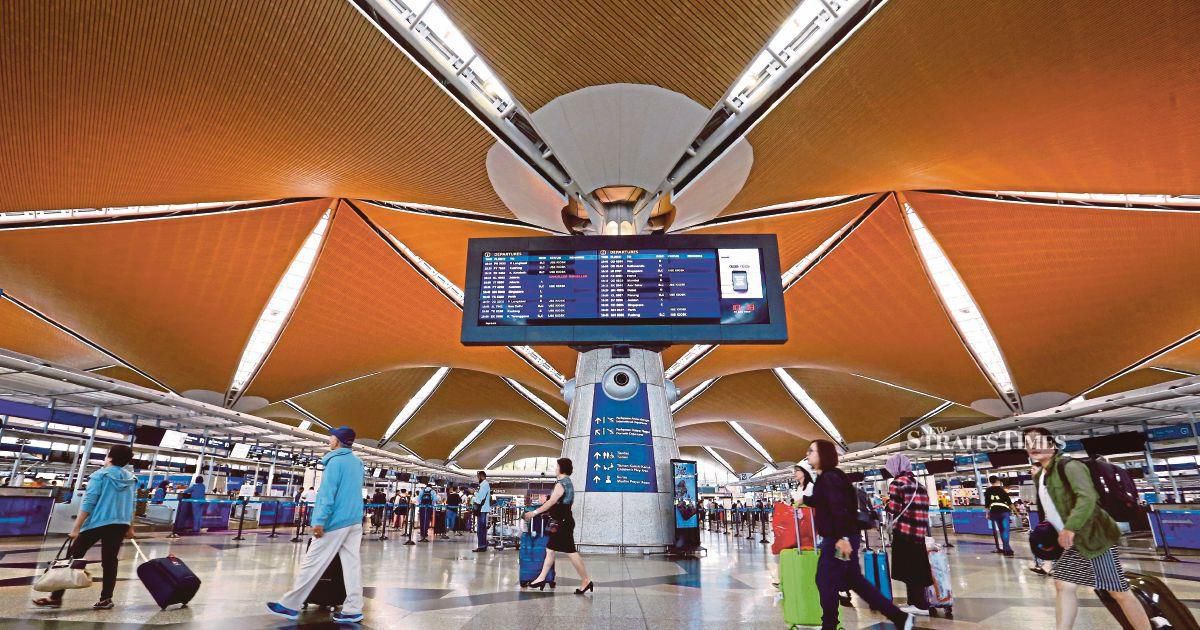
Malaysia Airports Holdings Bhd (MAHB) has confirmed that a technical malfunction temporarily disrupted baggage operations at Kuala Lumpur International Airport's Terminal 1, one of the busiest aviation facilities in Southeast Asia. The incident, which affected the sophisticated baggage handling system crucial to the airport's daily operations, was identified and resolved within the same business day, with normal service resuming by 5:30pm.
The baggage system failure represents a significant operational challenge for MAHB, given the sheer volume of passengers and luggage flowing through Terminal 1 daily. The airport, which serves as Malaysia's primary international gateway and a key hub for air travel across the region, typically processes thousands of bags each hour across its vast network of conveyor belts, sorting mechanisms, and loading operations. Any disruption to this intricate machinery can create cascading delays affecting multiple flights and inconveniencing thousands of passengers.
Terminal 1 at KLIA remains a cornerstone of Malaysia's aviation infrastructure, accommodating major international carriers and domestic operators. The facility has undergone periodic modernisation efforts to maintain competitiveness with other regional hubs, though maintaining such complex automated systems requires constant vigilance and rapid response protocols. The incident highlights both the vulnerability of highly integrated airport infrastructure and the importance of having contingency measures in place.
While the specific technical nature of the malfunction has not been detailed publicly, baggage system failures typically stem from either mechanical breakdowns in the conveyor infrastructure, software glitches in sorting algorithms, or sensor failures that prevent proper routing of luggage. Such systems, often developed by specialised international vendors and customised for each airport's unique layout, require experienced technicians to diagnose and rectify problems swiftly. The fact that MAHB managed to restore full functionality by mid-evening suggests either a straightforward technical fix or successful rerouting of operations through alternative systems.
For travellers passing through KLIA Terminal 1 on the day of the incident, the disruption likely created frustration and uncertainty. International airports increasingly face passenger expectations of seamless baggage handling, particularly given the high-stakes nature of checked luggage. Delays in baggage processing can trigger domino effects, forcing ground staff to manage queues of concerned passengers seeking updates on delayed flights or luggage delivery timeframes. The airport's ability to communicate transparently about such incidents becomes crucial in maintaining traveller confidence.
MAHB's swift public acknowledgment of the problem reflects evolving industry standards around operational transparency. Rather than downplaying the incident or remaining silent, the airport operator chose to confirm the issue directly, which reduces speculation and demonstrates accountability to passengers and airlines alike. This approach aligns with international best practices where airport authorities proactively inform stakeholders about service disruptions, even when problems have been resolved.
The incident underscores the growing complexity of managing mega-airports serving millions of passengers annually. Terminal 1, though not the airport's newest facility, remains strategically important and handles a significant share of KLIA's international traffic. Maintaining the reliability of automated baggage systems requires substantial investment in preventive maintenance, staff training, and technology upgrades. Any system operating continuously across busy periods experiences wear and tear that demands constant attention.
From a regional perspective, such technical disruptions at a major hub airport have implications extending beyond Malaysia's borders. KLIA serves as a connection point for travellers throughout Southeast Asia, and baggage handling problems can affect passenger experiences for visitors transiting through Malaysia en route to other regional destinations. The airport's reputation for reliability influences airline route planning and passenger choice, factors that carry economic significance for Malaysia's tourism and aviation sectors.
MAHB's response timeframe, with operations normalised by 5:30pm, represents a reasonable recovery period for a significant technical issue. Industry benchmarks suggest that modern airport authorities can typically address and resolve baggage system faults within hours, provided the problem involves software recalibration or straightforward mechanical repair. More complex failures requiring parts replacement or extensive recalibration might extend resolution times considerably longer, suggesting this incident fell within the former category.
Looking forward, incidents like this one often trigger operational reviews and preventive maintenance schedule adjustments. MAHB likely conducted post-incident analysis to determine root causes and implemented additional safeguards to minimise recurrence probability. Baggage system reliability directly impacts an airport's operational efficiency metrics and customer satisfaction ratings, making such incidents valuable learning opportunities for continuous improvement initiatives.
The broader lesson from this incident extends to Malaysia's infrastructure sector more generally. As the nation continues developing world-class transportation facilities competing for regional traffic, maintaining and upgrading critical systems remains paramount. Whether at airports, ports, or rail networks, the systems supporting seamless connectivity increasingly determine competitive positioning in the Asia-Pacific region. MAHB's prompt resolution of the Terminal 1 baggage issue demonstrates the operator's commitment to maintaining service standards, though ongoing investment in system modernisation and redundancy will prove essential as passenger volumes continue expanding.

