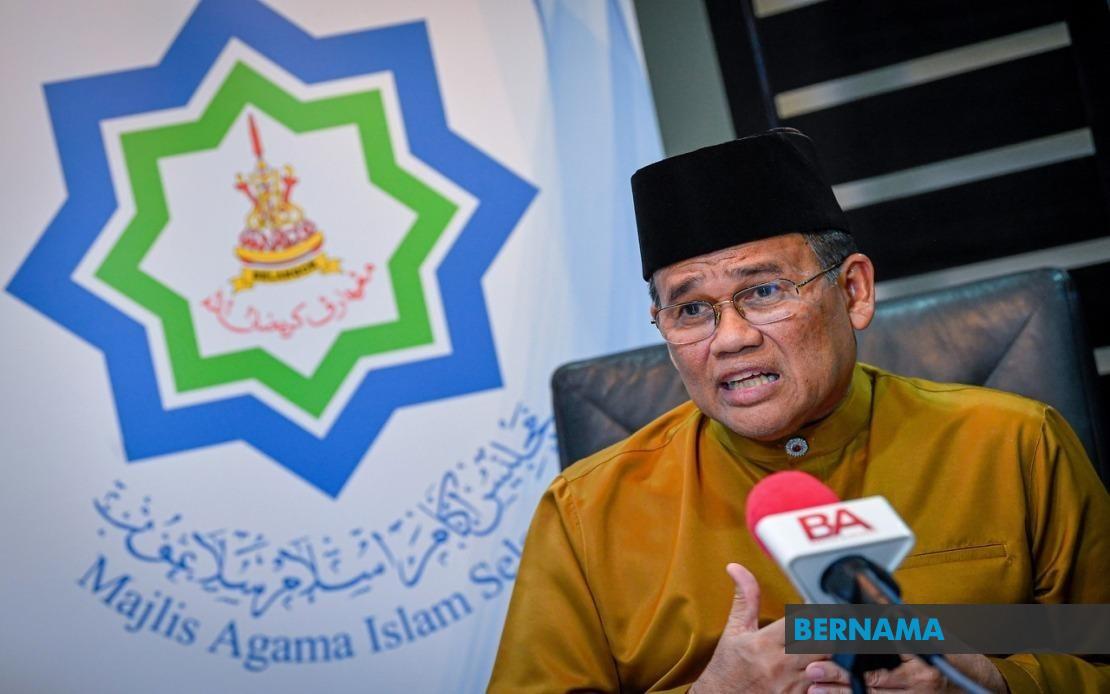
The Selangor Islamic Religious Council (MAIS) has called for an immediate gathering of key stakeholders to investigate and resolve mounting concerns over alleged delays in a burial at the Ukay Perdana Muslim Cemetery in Hulu Kelang. The unprecedented move reflects the severity with which religious authorities in Malaysia's largest state are treating the incident, which has sparked considerable public concern about funeral procedures and the safeguarding of Islamic burial practices.
The convened meeting will bring together the family members of the deceased, officials from Masjid Nurul Hidayah in Kampung Pandan Dalam, representatives of the Salatulrahim Welfare Organisation (BKS), and staff from the Selangor Islamic Religious Department (JAIS). According to MAIS chairman Datuk Salehuddin Saidin, this collaborative approach aims to establish a comprehensive resolution that serves the interests of all parties while simultaneously preventing comparable incidents in future. The emphasis on inclusivity suggests that MAIS recognises the sensitivity of funeral arrangements within Islamic communities, where delays can cause significant emotional distress to grieving families.
Datuk Salehuddin acknowledged the profound suffering endured by the deceased's relatives, extending formal condolences and expressing deep regret about the family's experience during an already difficult period. Such explicit recognition of the family's ordeal indicates that MAIS views the matter not merely as an administrative shortcoming but as a breach of the trust that communities place in institutions responsible for honouring their deceased. This stance underscores the emotional and spiritual dimensions of Islamic burial customs that extend beyond procedural compliance.
The council has made an unambiguous commitment that any party found culpable following police investigation will face appropriate consequences, irrespective of whether the underlying cause is identified as criminal wrongdoing, professional negligence, or communication failures among the various organisations involved. This tiered accountability framework acknowledges that delays in burials may result from different sources, each warranting distinct remedial measures. The transparency of this commitment is crucial in maintaining public confidence in Islamic funeral management systems across Selangor.
MAIS has already reviewed preliminary findings released by JAIS director Datuk Mohd Shahzihan Ahmad, which were constructed from information provided by the mosque's management. The existence of these preliminary assessments suggests that initial investigations have already identified certain facts about the sequence of events. However, Datuk Salehuddin has appropriately cautioned against premature conclusions, urging all parties to permit police investigations to proceed methodically and without bias. This measured approach prevents speculation from contaminating the investigative process and demonstrates institutional restraint.
The situation has escalated to encompass multiple formal complaints, with the mosque management, the bereaved family, and the BKS each lodging separate police reports. This proliferation of reports indicates fractured relationships and divergent perspectives on responsibility and causation. Each party's decision to file independently suggests a breakdown in the inter-institutional communication that ought to characterise funeral service provision. Resolving such fragmentation through MAIS's coordinated meeting may help clarify whether systemic gaps or individual oversights drove the alleged delay.
Beyond the immediate crisis, MAIS has signalled an intention to conduct a comprehensive audit of how Islamic funeral and burial operations are currently managed by mosque administrations throughout Selangor. This forward-looking initiative recognises that isolated incidents often reflect broader structural weaknesses within systems. By identifying areas requiring enhancement, MAIS can establish updated guidelines that harmonise efficiency, dignity, and strict adherence to Islamic law. Such standardisation would be particularly valuable across diverse mosque communities with varying organisational capacities and resources.
The council has explicitly stated that any revised procedures must guarantee that the handling of deceased Muslims occurs with both professionalism and moral integrity, organised in a methodical and streamlined fashion while remaining fully compliant with Sharia principles. This formulation balances contemporary operational standards with religious requirements, acknowledging that modern management practices need not conflict with spiritual obligations. For Malaysian Muslims, such reassurance is critical to maintaining confidence that religious traditions are preserved even as institutions adopt contemporary administrative approaches.
Datuk Salehuddin has appealed to the broader Muslim community to uphold principles of unity and brotherly solidarity (ukhuwah) and to resist allowing disputes over this matter to degenerate into divisive acrimony. This exhortation carries particular significance in Malaysia's multicultural context, where maintaining harmonious relationships between different religious and community groups remains foundational to social stability. The admonition against allowing disagreements to undermine communal bonds reflects Islamic teaching while also signalling MAIS's concern that the burial delay incident could inflame tensions if mishandled.
The incident at Ukay Perdana Cemetery illuminates vulnerabilities in how funeral services operate at the intersection of religious institution, civil authority, and charitable organisation. For Malaysia more broadly, the situation demonstrates the need for clear delineation of roles and responsibilities whenever multiple entities share responsibility for sensitive community functions. The MAIS-led resolution process offers an opportunity to establish best practices that could serve as a template for other states and provide assurance to Muslim families that their grief will be met with institutional competence and compassionate handling.
The urgency with which MAIS has mobilised reflects understanding that delays in Islamic burial create profound hardship beyond the emotional toll on families. Islamic law specifies relatively expedited burial procedures, and departures from these norms can be experienced as violations of religious obligation. Consequently, the council's swift intervention demonstrates recognition that prompt restoration of public confidence in funeral management systems serves both religious integrity and family welfare. How this urgent meeting unfolds and what systemic reforms emerge will likely influence funeral service standards across Selangor and potentially inspire comparable scrutiny in other states.

